
Clint Eastwood rejected Sergio Leone’s Once Upon a Time in the West, marking a significant departure after their successful partnership in the Dollars trilogy, a decision that shaped both their careers and the Western genre. This choice came as Leone was preparing one of his most acclaimed films, with Eastwood citing creative differences and disinterest in repeating the same filmmaking style.
Eastwood’s Meteoric Rise and the End of a Legendary Collaboration
Clint Eastwood initially made his mark with the television series Rawhide, but true stardom arrived when he took on the lead role in Sergio Leone’s Dollars trilogy. The films – influenced by such sources as Akira Kurosawa’s Yojimbo – elevated Eastwood’s Man with No Name character into an icon known worldwide. These Spaghetti Westerns, driven by unforgettable scores from Ennio Morricone, redefined the genre and forged Eastwood’s reputation as both an actor and a filmmaker.
Despite their proven box office chemistry, Eastwood and Leone’s professional relationship ended abruptly after completing The Good, the Bad, and the Ugly. Industry comparisons pair their dynamic with the likes of Martin Scorsese and Robert De Niro or Leonardo DiCaprio, partnerships known for repeating success. Yet, Eastwood opted for a different path, as he revealed in the book Conversations with Clint:
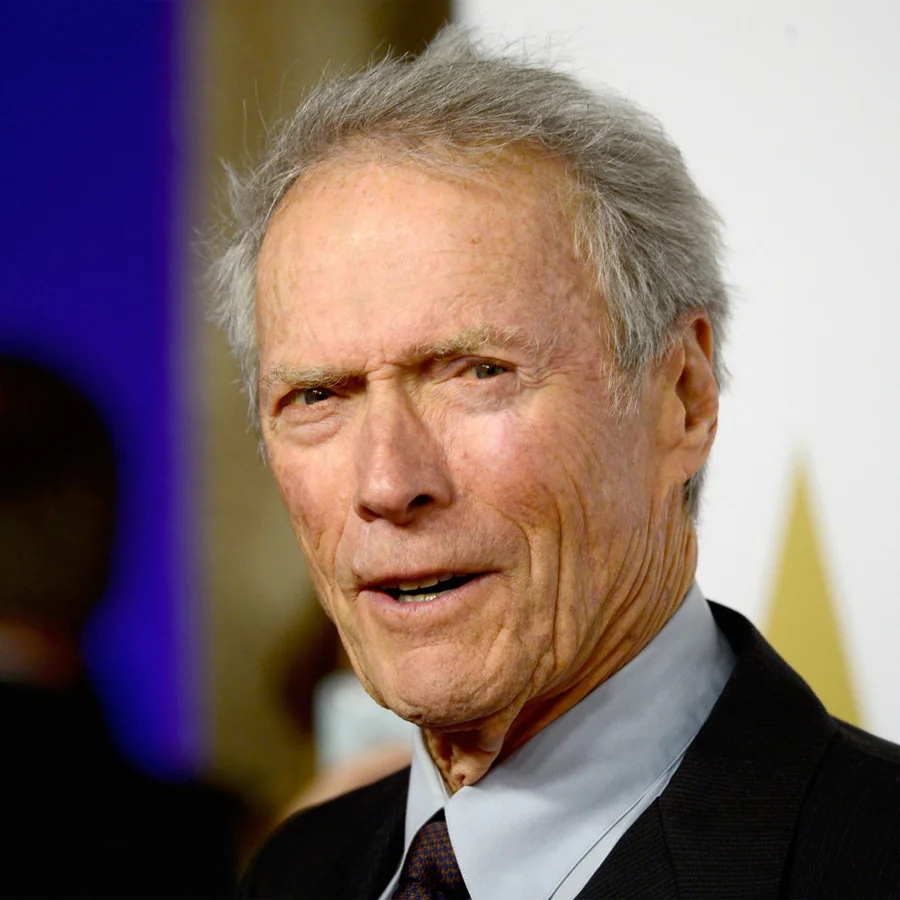
But I felt at the time, after The Good, the Bad and the Ugly, that [Leone] was going in a different direction than I wanted. He wanted to go more into a kind of spectacle thing. I think Leone more envisioned himself as a David Lean à la Italiano, and that’s understandable. He just wanted to make bigger, more elaborate projects.
—Clint Eastwood
This sentiment highlighted Eastwood’s discomfort with the increasing emphasis on cinematic spectacle. His perception was that Leone, inspired by directors such as David Lean, sought to elevate the scale of his productions, moving away from character-driven narratives toward grander, more visually elaborate films.
Turning Down Once Upon a Time in the West and Its Impact
After the conclusion of the trilogy, Sergio Leone moved forward with Once Upon a Time in the West, a sprawling Western epic that garnered critical acclaim, boasting a 96% rating on Rotten Tomatoes. In a bold casting choice, Leone offered the lead role to Henry Fonda as a villain for the first time in his career, with Charles Bronson taking on the protagonist’s part. Leone’s vision was realized through sweeping landscapes, tension-filled scenes, and another unforgettable contribution from Ennio Morricone.
Before selecting Bronson, Leone reached out to Eastwood to reprise his presence in the Western landscape. However, Eastwood remained steadfast in his reasons for declining, as he stated:
There was no challenge for me anymore. In The Good, the Bad and the Ugly, there certainly wasn’t as much of a challenge as a performer as there was in A Fistful of Dollars or For a Few Dollars More. In each one, progressively, the impetus became on the production values rather than the story.
—Clint Eastwood
Eastwood’s remarks underscore his desire for creative challenges and meaningful character work, rather than participating in films driven primarily by lavish set pieces and visual grandeur. He also declined Leone’s second film in the Once Upon a Time trilogy, Duck, You Sucker!, for similar reasons, effectively ending one of the most successful actor-director collaborations in the genre’s history.
Despite their parting, both continued to make significant marks. Leone went on to direct Once Upon a Time in America, another sweeping epic. Meanwhile, Eastwood would bring his own distinctive style to Westerns and American cinema, starring in and directing films with his unique perspective and narrative priorities.
The Broader Legacy and Current Accessibility
Once Upon a Time in the West stands today as a landmark in film history, praised for its innovative cinematography, iconic music, and complex characters. The film exemplifies the creative directions Leone pursued after his split with Eastwood – featuring actors like Henry Fonda and Charles Bronson, and further establishing the Italian Western within the global cinematic landscape. Ennio Morricone’s work remains inseparable from the mood and resonance of these films.
Although Eastwood’s decision to move away from working with Leone signaled the end of a cinematic era, it allowed both artists to explore new thematic ground and solidify their places in film history. Their separation was rooted in diverging creative visions: Leone longing for ever-grander projects, and Eastwood seeking roles that pushed him as a performer.
For those interested in witnessing the transformation of the Western genre, Once Upon a Time in the West is currently available to stream on Fubo TV, inviting a new generation to experience Sergio Leone’s acclaimed vision.
