
James Gunn’s creative vision in Guardians of the Galaxy shaped the distinct tone of the films, a feat recently highlighted by his adamant decision to keep Thor out of Guardians of the Galaxy Vol. 3. In June 2025, Gunn explained how this pivotal choice preserved both his authorial voice and the unique focus of the final chapter in his trilogy.
Maintaining Creative Control Amidst Franchise Demands
The Marvel Cinematic Universe (MCU) has a reputation for integrating filmmakers into its vast, interconnected world, sometimes at the expense of directors‘ personal styles. Over the years, this phenomenon has left some creators feeling as though their ideas are diluted, often overshadowed by the larger needs of the compound storytelling structure. Examples from the franchise’s beginnings show directors like Joe Johnston and Kenneth Branagh stamping their identities onto early entries. However, as Marvel’s storylines grew and interconnected, finding personal creative space became increasingly challenging, even for established names like Joss Whedon.
James Gunn, however, consistently managed to assert his own perspective within this system. His approach to the Guardians of the Galaxy series was marked by character-driven storytelling, keeping the films emotionally engaging while subtly maneuvering through Marvel’s broader narrative requirements.
Gunn’s Decision to Keep Thor Separate
After Avengers: Endgame, Thor’s association with the Guardians set the stage for a possible crossover in future installments. But Gunn made a decisive stand against including the Asgardian in his third Guardians film, emphasizing his focus on maintaining the established tone and themes of his own story. Gunn shared his experience with Entertainment Weekly, where he revealed the resistance he faced and the rationale behind his choice:
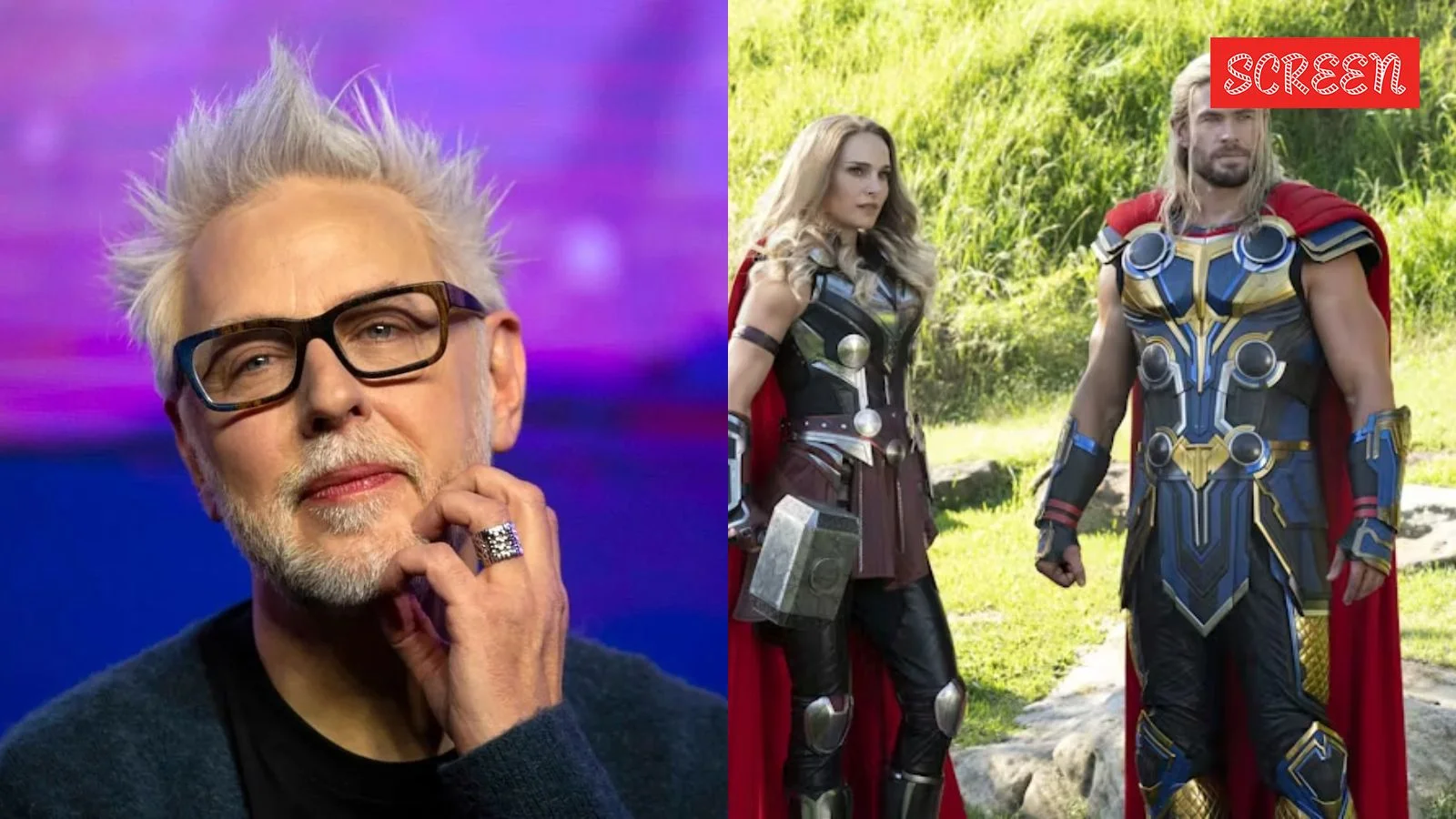
“I said in the script notes: ‘I’m not gonna put him in. I don’t want to have Thor in the Guardians. I don’t want to do a movie with Thor,”
he noted. —James Gunn, Writer/Director
His reasoning was not only personal but also practical:
“I don’t understand the character that much. I love watching his movies and I love Chris Hemsworth as a guy. I don’t understand how to write that character.”
—James Gunn, Writer/Director
This move allowed Gunn to prioritize the Guardians’ own evolving narrative rather than bending the plot for appearances dictated by broader franchise developments. Gunn’s choice demonstrates a willingness to protect not just his vision, but the integrity of the characters he felt most capable of exploring.
The Struggles of Franchise Storytelling and Post-Credits Pressure
The battle over creative voice extends beyond character inclusion. Gunn detailed the difficulties directors face when adding post-credits scenes intended to set up future movies. Reflecting on Guardians of the Galaxy Vol. 2, he described the conflicts these scenes can introduce:
“I did not like what I did in Guardians 2 where we set up Adam Warlock and we set up the Guardians of the Galaxy and we set up all this shit that I didn’t necessarily plan on,”
Gunn explained. —James Gunn, Writer/Director
He continued sharing his unease over being forced to accommodate storylines not originally intended for his film, and the complications that arise:
“Well, I guess I kind of planned on fulfilling that promise, but you want to be careful about that. The way a post-credits scene works is a punch to the face, like, ‘Oh my God! Look at this.’ At times when you’re using it just solely to set something up, sometimes you’re screwing yourself over. It was not easy to work Adam Warlock into Guardians 3.”
—James Gunn, Writer/Director
Despite these struggles, Gunn managed to weave new characters like Adam Warlock into the series, though he noted the challenge of doing so effectively without compromising his story’s organic progression.
Guardians 3 as a Testament to Gunn’s Artistic Direction
Ultimately, Guardians of the Galaxy 3 became a deeply personal story that explored themes of grief and acceptance. Gunn benefited from a position of strength after the success of his earlier work; even after temporarily stepping away to make The Suicide Squad, he was welcomed back and given unusual latitude for a Marvel director. As a result, the third Guardians film stands apart, only loosely tied to the broader MCU, and widely recognized as a product of Gunn’s uncompromised creative leadership.
This distinction is notable in an industry where directors often find it difficult to resist pressures to conform or set up unrelated narrative arcs for future installments. Gunn’s experience, including his relationships and creative clashes with figures like Kevin Feige and Chris Hemsworth, reinforces ongoing debates within the entertainment world about the tension between personal storytelling and studio-driven demands.
The Ongoing Impact on Marvel and Filmmaking
James Gunn’s decisions throughout the Guardians trilogy illustrate the intense pressures and conflicts frequently experienced by filmmakers involved in cinematic universes like Marvel’s. By resisting the inclusion of popular characters such as Thor and expressing discomfort with franchise-mandated post-credit setups, Gunn highlighted the often-unseen struggles directors face to safeguard their artistic identities. As the Marvel franchise continues to expand, the Guardians films, under Gunn’s stewardship, remain an example of how creative determination can thrive in even the most interconnected and demanding studio environments. The legacy of James Gunn’s creative vision in Guardians of the Galaxy offers lasting lessons on integrity and authorship for future generations of storytellers and studios alike.
