
In the year 2000, as fans speculated about the future of legendary filmmaker Martin Scorsese and who might follow in his remarkable footsteps, the director provided his own answer—naming Wes Anderson as his artistic heir. The declaration, made when Anderson’s career had barely begun, sparked curiosity and debate. With Anderson’s newest film, The Phoenician Scheme, now gracing theaters, it is an ideal moment to examine Martin Scorsese’s choice and see if time has proven him right.
What Led Scorsese to Pick Anderson Over More Obvious Choices?
Martin Scorsese’s pick of Wes Anderson as his successor stood out, especially with directors like Quentin Tarantino and the Coen brothers also making their mark on cinema. In a March 2000 Esquire column, Scorsese explained his reasoning, focusing much of his praise on Anderson’s debut feature, Bottle Rocket. He lauded Anderson’s approach, stating,
“Here was a picture without a trace of cynicism, that obviously grew out of its director’s affection for his characters in particular and for people in general. A rarity.”
—Martin Scorsese, Director
Scorsese’s appreciation extended beyond the film’s story, commending Anderson’s distinct ability to craft characters audiences genuinely care about. As he further described,
“He knows how to convey the simple joys and interactions between people so well and with such richness.”
—Martin Scorsese, Director
According to Scorsese, such talent is rare, reminiscent of the brilliance shown by filmmakers like Jean Renoir—whose films inspired him as a child. He emphasized this comparison by recalling,
“I remember seeing Renoir’s films as a child and immediately feeling connected to the characters through his love for them,”
—Martin Scorsese, Director
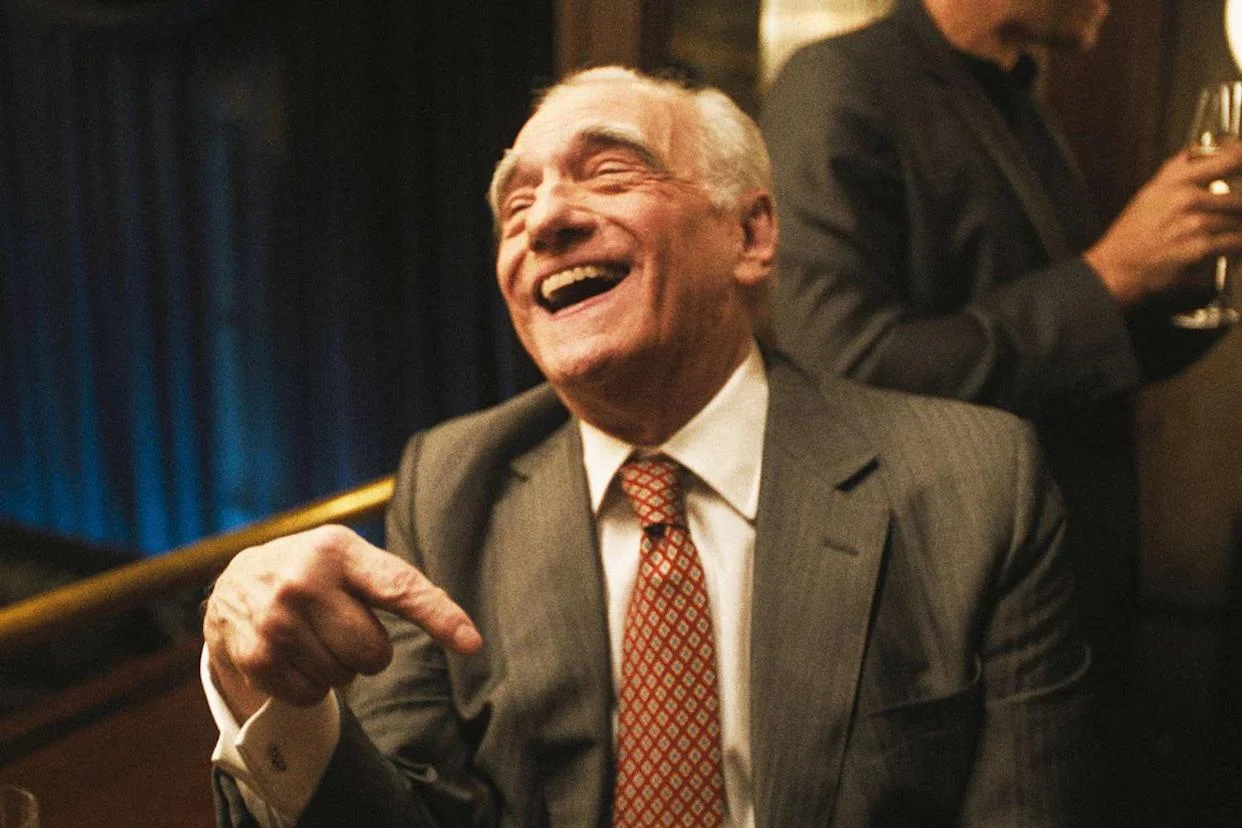
Scorsese even analyzed Anderson’s choices in music, highlighting the Rolling Stones’ “2000 Man” in Bottle Rocket, describing it as a unique, emotional highlight. He declared,
“For me, it’s a transcendent moment. And transcendent moments are in short supply these days.”
—Martin Scorsese, Director
Through these remarks, it’s clear Scorsese perceived a sincerity in Anderson’s work, both in character formation and artistic style, that he believed could define cinema’s future.
Shared Artistic DNA: Parallels Between Martin Scorsese and Wes Anderson
At first glance, Scorsese and Anderson seem to occupy entirely different worlds. Where Scorsese is renowned for dark, intense narratives such as Taxi Driver and The Departed, Anderson is celebrated for whimsical adventures like Fantastic Mr. Fox. Yet, their bodies of work share striking similarities, especially in distinctive style and storytelling.
Their reputations as auteurs stem from notable creative signatures: each director displays consistent visual techniques, narrative themes, and a deep commitment to character-driven storytelling. Both have gathered loyal ensembles of actors and crew, contributing to the identity of their films across decades. Over the years, Scorsese and Anderson each secured one Academy Award, underlining their enduring influence and critical acclaim.
Looking back to their early movies, Bottle Rocket and Mean Streets showcase thematic and plot connections. In both stories, a well-meaning protagonist is lured into crime by a close friend, echoing Scorsese’s observation from Esquire:
“[A] group of young guys think that their lives have to be filled with risk and danger in order to be real. They don’t know that it’s okay simply to be who they are.”
—Martin Scorsese, Director
Mean Streets, featuring Harvey Keitel’s portrayal of Charlie Cappa, introduces this conflict as the character navigates between loyalty and moral upbringing—a dilemma mirrored in Anderson’s Bottle Rocket, forming a thematic bridge between the two filmmakers.
Their mutual admiration for music, particularly tracks from the ’60s and ’70s, further connects them. Scorsese’s famous use of the Rolling Stones across his filmography is echoed in Anderson’s projects, forming another creative bond. It is unsurprising that discussions about music likely featured in conversations between the two directors, as their soundtracks often become as iconic as the films themselves.
While cinematic trends sometimes challenge the traditional auteur, both Scorsese and Anderson continue to develop authentic, personal visions—earning continued reverence from fans and critics.
The Cast and Storytelling in The Phoenician Scheme
Wes Anderson’s latest release, The Phoenician Scheme, introduces a cast headlined by Benicio Del Toro as Zsa-zsa Korda, Mia Threapleton as Sister Liesl, Michael Cera as Bjorn Lund, and Riz Ahmed playing Prince Farouk. The film explores the story of a wealthy businessman endeavoring to fund a final project while seeking to reconnect with his estranged daughter, layering elements of espionage and religious subtext reminiscent of Scorsese classics such as Silence and Mean Streets.
Though the film’s visuals retain Anderson’s trademark stylization, the focus on crime, family, and faith is unmistakably influenced by the legacy of Scorsese. The musical choices, too, suggest Anderson’s ongoing dialogue with Scorsese’s cinematic techniques, cementing their relationship as mentor and artistic successor in spirit.
A Quarter Century Later: Did Scorsese’s Prediction Stand the Test of Time?
The arrival of The Phoenician Scheme further underscores just how far Wes Anderson has come since Scorsese made his bold declaration. The film’s gritty narrative, complex characters, and thematic richness offer the clearest evidence yet that Anderson shares not only Scorsese’s devotion to craft but also his ambition to push cinematic storytelling into bold new territories. Elsewhere in media and fan circles, both directors continue to shape public conversations about what defines visionary filmmaking.
As The Phoenician Scheme enters theaters worldwide and is slated to stream on Peacock in the coming months, audiences will be able to judge for themselves whether Anderson truly fits the role that Scorsese assigned him decades ago. Regardless of the verdict, the connection between these two celebrated directors has profoundly impacted the conversation about artistry, legacy, and the future of cinema, ensuring their work remains influential for generations to come.
