
Robert Downey Jr. recently discussed his experiences growing up in a Hollywood environment, focusing on his early debut and how he often felt out of place during his childhood acting days. The actor’s perspective on feeling like an outsider in the movie industry, shaped by his father’s unconventional filmmaking, offers insight into the Robert Downey Jr. childhood outsider experience in Hollywood.
Reflecting on a Unique Start in Hollywood
Before he became globally recognized for his role as Iron Man, Robert Downey Jr. had his first brush with the film industry in 1970. At the age of five, he played the character Puppy in “Pound,” a movie written and directed by his father, Robert Downey Sr. The film featured actors portraying dogs awaiting euthanasia in a pound, and, while the premise was unusual, it marked the debut of Downey Jr. in a setting vastly different from the usual Hollywood productions.
Downey Jr. described the shooting of “Pound” as an experience that left a lasting impression on him. He was often surrounded by the bustling activity of a film set, with various actors taking on peculiar roles at the direction of his father. The environment was far from conventional, adding to the sense that he did not quite fit in, even on his own father’s set. The movie’s distinct concept was confusing for some involved at the time. As he recalled,
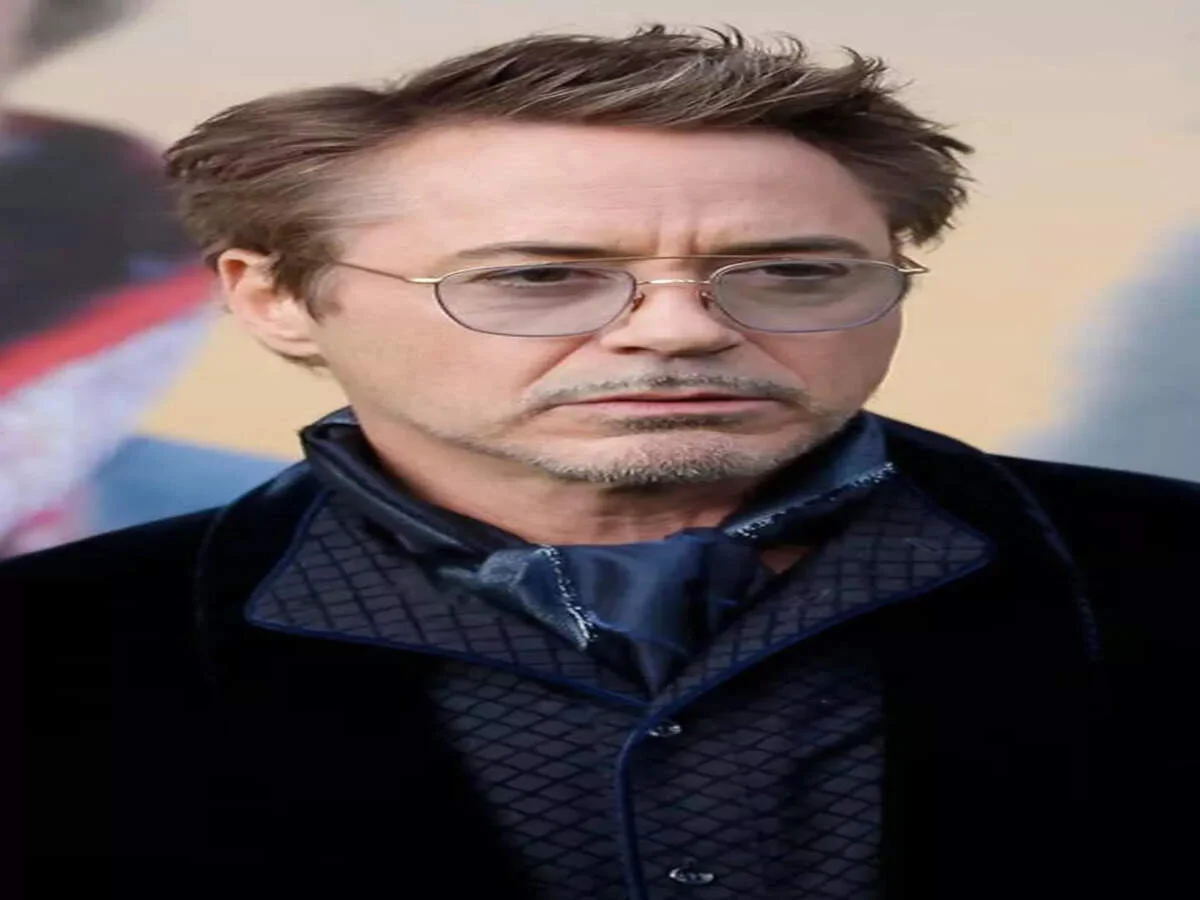
“I think the investors thought he was making a documentary about pounds and animal shelters, and then he said, ‘No, no, it’s a live-action thing and I’m casting people to play the dogs’. Next thing you know, you’re shooting it, and these characters, actors of all shapes and sizes, are playing various dogs.” —Robert Downey Jr., Actor
This formative experience illustrated how Downey Jr.’s entry into the film world was rooted in creativity that did not align with mainstream Hollywood expectations. For the young actor, life on set became intertwined with his everyday reality. He explained,
“My earliest memories are of cameras being on sets, being on stages, being on location, to the point where it almost seemed like life was kind of making a movie and kind of being a kid.” —Robert Downey Jr., Actor
Feeling Out of Place Amid Hollywood’s High Society
The sense of being an outsider persisted for Robert Downey Jr. as he observed the differences between his own upbringing and that of other child actors in Hollywood. He referenced Jason Bateman, another actor who entered the industry during childhood thanks to having a successful director father, Kent Bateman. However, the two differed markedly in their experiences.
While Jason Bateman was immersed in the mainstream, affluent circles of Hollywood, Downey Jr. described his family background as more underground and countercultural. Despite sharing the distinction of being “Hollywood kids,” their paths looked quite different. Downey Jr. highlighted this contrast, stating,
“My folks were mostly underground, kind of counter-culture. It was never like I saw later on, like my friends, like Jason Bateman, who literally grew up in the high end.” —Robert Downey Jr., Actor
This divergence became more apparent as Downey Jr. noticed the norms of traditional multi-camera television productions that dominated mainstream Hollywood, compared to the offbeat projects his father pursued. He commented further,
“You know, multi-camera TV show stuff. Our stuff was really weird so there was always something that felt a little bit outsiderish about it.” —Robert Downey Jr., Actor
His father, Robert Downey Sr., gravitated toward unconventional stories and underground film circles rather than the glittering red carpets or predictable studio projects. This set the younger Downey apart from his peers and often left him feeling like he never truly belonged in the same way.
The Lasting Importance of Early Experiences
Robert Downey Jr.’s candid revelations shed light on the emotional complexity and challenges of growing up in Hollywood under unique circumstances. Although “Pound” might now have a modest IMDb score of 5.7/10 and a 60% rating on Rotten Tomatoes, and is not readily available to new audiences through streaming or DVD, its impact on Downey Jr. remains significant.
The actor’s willingness to share his feelings about being an outsider, despite his early start and family connections, highlights the diversity of experiences among Hollywood children. His story stands out as a reminder that even those born into the world of film can grapple with complex emotions, unique pressures, and a sense of isolation. Looking back, Downey Jr.’s account illustrates the formative power of early professional experiences, the influence of parental choices, and the distinct paths young actors may travel in the entertainment industry.
People like Robert Downey Jr., Kent Bateman, and Jason Bateman all found their entry into Hollywood shaped by their families and backgrounds, but their journeys—and how they perceived their place within the industry—were anything but the same. For Downey Jr., who moved from feeling like an outsider to becoming one of the most recognized faces in cinema, sharing these stories invites greater understanding of the less visible struggles faced by many in the world of acting.
