
Gary Oldman discusses Jackson Lamb in Slow Horses, delving into the complexities of one of television’s most fascinating antiheroes during a recent interview on the TV Topics podcast. The acclaimed actor, renowned for his versatility across a diverse array of roles, shared insights into his portrayal of the rough-edged yet enigmatic leader of Slough House, revealing the layered humanity beneath Lamb’s abrasive facade.
Portraying a Unique and Layered Character
Oldman’s extensive acting career has taken him through an impressive range of roles, spanning historical figures like a prime minister, legendary villains, punk icons, and even animated characters. Currently, he brings life to Jackson Lamb on Apple TV+’s Slow Horses, a drama centered around MI5’s misfit agents exiled to the so-called Slough House. Lamb, as portrayed by Oldman, is a deeply sarcastic and sharp-witted leader, known for his disheveled appearance and scathing humor, who heads a group of disgraced spies with unconventional methods and an uncompromising approach.
Though at first glance Lamb comes across as unkempt and unpleasant—his greasy hair, rumpled clothes, and unapologetic flatulence are memorable trademarks—Oldman brings a sense of depth and nuance to the role. Lamb’s confrontational manner extends to both his subordinates and superiors, yet beneath the caustic exterior is a man carrying hidden wounds and fierce loyalty to his team, willing to risk his life for those he constantly belittles. This tension forms the crux of his complexity and prevents the character from slipping into mere caricature.
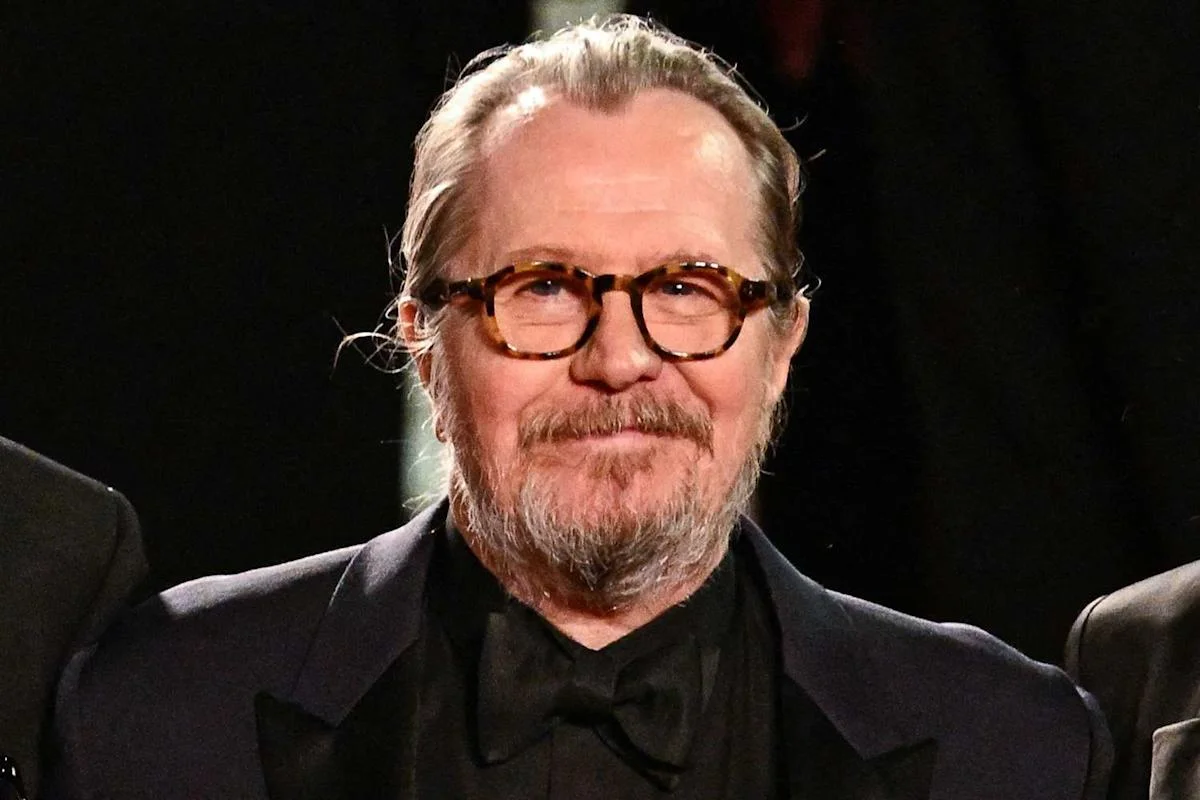
Jackson Lamb’s Contrasts and Complexity
As Oldman shared, the progression of Slow Horses over four seasons—and the ongoing novels by Mick Herron—has allowed the character to grow richer with every new installment. He explained:
“As each season goes on, as well as the books, as Mick continues to write these books and the seasons go on, there’s more layers of the onion that are revealed. There’s things I know about Jackson Lamb now that I didn’t know going in. He despises the bureaucratic, the whole bureaucracy of the main hub. And, I mean, so the sarcasm and the distaste for it is very much there on the surface. But it’s spycraft. I think it’s almost like a defence mechanism. It’s using it in a way to put you on the back foot.”
—Gary Oldman, Actor
Lamb’s reliance on sarcasm and crude behavior becomes more than just an affectation; it is a strategic tool within the environment of espionage. This complexity has resonated with audiences and critics alike, contributing to the series’ ongoing renewal and success, most recently confirmed for a fifth season just before Oldman’s interview.
The Purpose Behind Lamb’s Eccentricities
Central to Oldman’s performance are Lamb’s off-putting habits, especially his infamous flatulence, which serves as a metaphor for his overall approach—purposefully repelling to mask deeper layers. Oldman commented:
“I enjoy it. It’s again, it’s to put people off the scent. He uses it as another, it’s another device, it’s another sort of trick that he has. He happens to be very flatulent anyway. I mean, his diet and his drinking and smoking isn’t, you know, I wouldn’t recommend the sort of Jackson Lamb way of life. But it is, it’s fun to play. And people do. I mean, you never see a scene of like James Bond where you hit the toilet flush and then he comes out of the bathroom.”
—Gary Oldman, Actor
This deliberate crudeness makes Lamb a unique figure among modern TV antiheroes, inviting viewers to look past the surface and consider the emotional scars and strategic calculation that motivate him.
Lamb’s Memorable Entrance and Loyalty
The show’s creators ensured that Lamb’s introduction would be unforgettable. Oldman reflected on how the series juxtaposes classic spy tropes with the jarring presence of Lamb:
“Yeah, it sort of begins kind of like a bit like The Bourne Identity with this sort of bomb threat at the airport. Very high tech. And then it cuts to Slow House, and I wake myself up with a fart. Really, yeah, it knocks you off a bit, you think, what am I watching? And it was, it’s the best entrance, character entrance, an introduction to a character I think I’ve ever had. I mean, opening the door to Harker as Dracula is probably, it’s up there, but it’s a great introduction to a character.”
—Gary Oldman, Actor
Beneath Lamb’s gruff manner lies an unwavering, if rarely expressed, commitment to his team. Oldman described how this loyalty, though often delivered with a backhanded approach, is a key aspect of his character’s makeup:
“I don’t know if it’s softness, but there’s a loyalty there to his slow horses. He berates them and bullies them and humiliates them, but would take a bullet for them. But he doesn’t often reveal that side of him. Is it at the end, I’m trying to think, is it at the end of season four where he meets River in the pub? That’s his way of being nice.”
—Gary Oldman, Actor
Moments like these illustrate how Lamb’s emotional reserve expresses itself through rare gestures, providing glimpses of the depth that Oldman is careful to infuse into every episode.
Oldman’s Views On Modern Television
Beyond his work on Slow Horses, Oldman is an avid television enthusiast who appreciates the evolving landscape and the rise of high-caliber storytelling on streaming platforms. He shared his thoughts on this cultural shift:
“Well, I’m a huge fan of long-form TV. I’ve been watching TV and shows for years. I’ve watched, I think, pretty much everything that’s out there. And really, we are in the golden age of it now. With the streamers. Often you’ll see the best writing and acting and storytelling, cinematography, direction. You’ll see that on a small screen more than you will now. Well, the cinema has become an event, hasn’t it? It’s blockbuster, big CG.”
—Gary Oldman, Actor
This recognition of television’s artistic potential reflects Oldman’s genuine respect for the medium and informs his approach to roles like Jackson Lamb, where complexity and slow-burn character development are essential elements of the story.
An Evolving Role and Future Prospects
Slow Horses, based on Mick Herron’s acclaimed novels, has carved out a significant place in the current television landscape, in part due to Oldman’s unforgettable portrayal of Jackson Lamb. The series—filmed on location and featuring an ensemble of misfit agents—has been recognized for its wit, depth, and willingness to subvert genre expectations. With four seasons now available on Apple TV+ and a fifth on the way, fans can expect Lamb’s story to continue evolving, exposing new layers of vulnerability and strategy in future episodes.
Oldman’s commentary not only highlights what makes Jackson Lamb a standout antihero but also signals the continued rise of sophisticated characters and nuanced storytelling in modern television. As the actor noted throughout his discussion, these roles allow for exploration of emotional texture and personal history, rewarding both loyal viewers and new fans drawn to the Slough House universe.
