
An Illinois resident recently lost $62,000 to an elaborate Kevin Costner impersonation scam, bringing renewed urgency to the Kevin Costner impersonation scam warning for fans. The victim, targeted through the messaging app Telegram, was deceived over several months by someone posing as the well-known Yellowstone actor and promising returns on a fraudulent investment scheme.
The case unfolded after the scammer, pretending to be Kevin Costner, maintained contact with the victim for half a year. This communication often included flirtatious exchanges and elaborate pitches for supposed celebrity-endorsed business opportunities, with requests for cryptocurrency, gift cards, and other forms of money. All these offers turned out to be completely false, leaving the victim out of pocket for the staggering sum.
Evanston police confirmed that this incident is just the latest in a series of crypto-fraud activities stretching back at least six years. Authorities explained that the chances of making an arrest or recovering the stolen funds remain very slim, due to the cross-border and complex nature of these online scams.
“Due to the nature of the crime, an arrest is highly unlikely,”
—authorities said. The fraudster’s strategy relied heavily on Costner’s fame, using his image and reputation to create a false impression of legitimacy for their scheme.
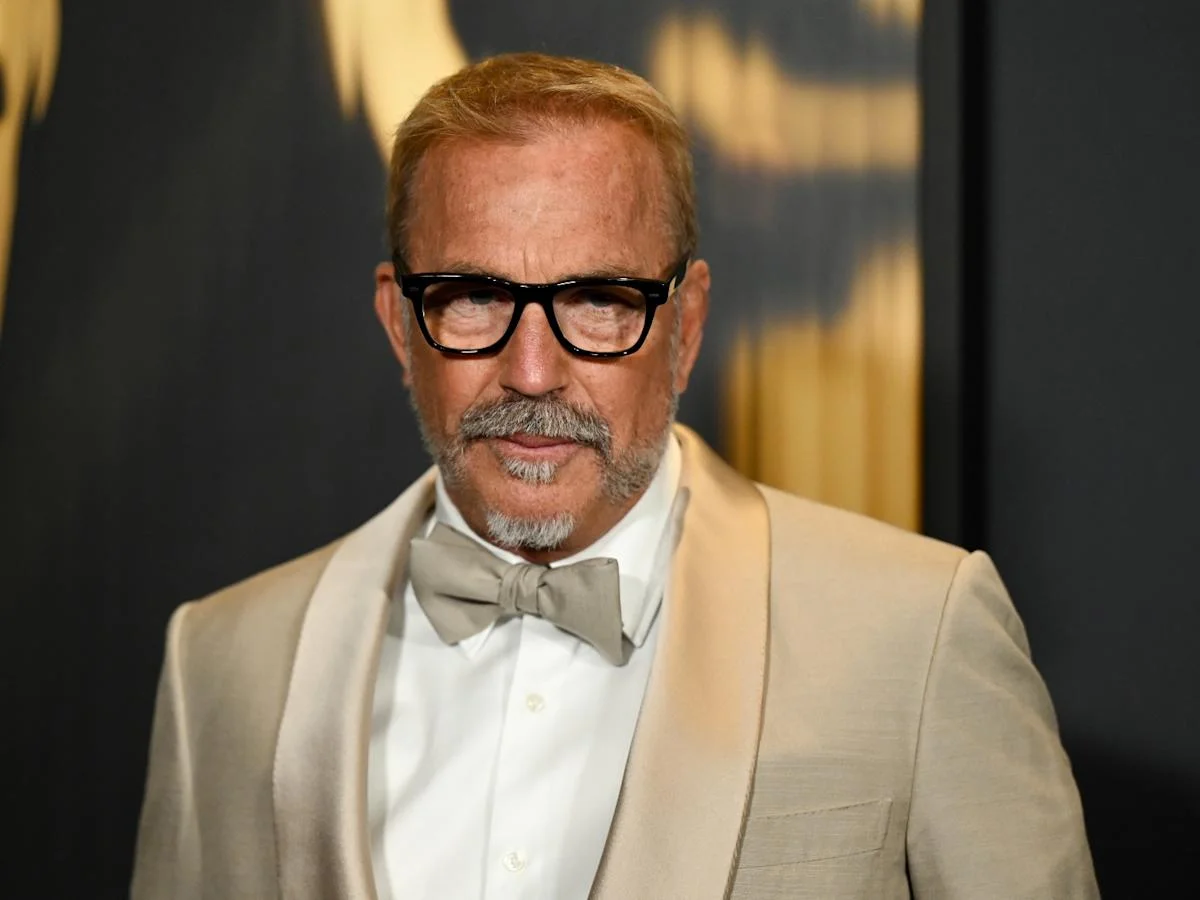
The impersonation problem is not limited to Kevin Costner alone. In recent months, other celebrities such as Morgan Wallen, Enrique Iglesias, and Vince Gill have also seen their names and images misused in online scams. The similarity in tactics among these cases suggests a pattern: targeting devoted fans with promises or requests in personal messages, fraudsters exploit trust and admiration to steal large sums of money.
High Profiles, Real Lives: Where Kevin Costner Is Focused Now
Despite the misleading claims of scammers, Kevin Costner is not reaching out to individuals for money or business opportunities on social media or communication apps. In reality, Costner’s professional life is focused on pursuing new creative projects in Hollywood and beyond. Most notably, Costner recently left his leading role as John Dutton in Yellowstone to work on his epic film project, Horizon: An American Saga.
The first installment of this Western epic premiered in theaters in June 2024, with Costner directing, co-writing, and starring. His commitment to Horizon was highlighted in a GQ interview, in which he discussed the significant personal risk he took for the film.
“That’s the message I want my kids to understand about who I am: that I do what I believe. I have fear like everybody else. I don’t want to be humiliated.”
—Kevin Costner, Actor and Filmmaker. Fans have admired Costner’s willingness to take bold risks, both on the screen and in his career decisions, much like the steadfast character he portrayed as John Dutton.
While the end of Costner’s Yellowstone chapter left fans disappointed, his focus on storytelling and filmmaking continues to earn respect. Costner has openly expressed excitement about sharing new narratives with audiences, choosing to channel his passion into projects far removed from online correspondence with strangers.
Advice for Fans: How to Avoid Falling for Scams
As Costner embarks on this ambitious new phase with Horizon, it is worth reiterating for all fans and followers: the real Kevin Costner will not send you private messages, ask for gift cards, or propose business deals via social media. This warning applies not only to Costner but also to many public figures whose identities have been used in similar scams. When unusual requests for money or personal information come from accounts claiming to be celebrities, caution and skepticism are vital.
Kevin Costner’s team has made it clear that he does not contact fans privately or seek money online. If you receive unsolicited messages from someone claiming to be Costner or another celebrity, the safest approach is to verify the source, ignore the request, and not engage. When in doubt, remember that true celebrities are busy working on genuine creative endeavors—not sending random requests to strangers online. Protect yourself by staying vigilant, especially as scams like these have become increasingly prevalent in recent years.
For anyone approached with offers or messages claiming to come from a celebrity, trusting intuition and double-checking the authenticity can help prevent devastating losses like those suffered in the Illinois scam. The risk is real, but with awareness and caution, it is possible to stay ahead of online fraudsters.
