
Leonardo DiCaprio lost role in Poison Ivy movie after making a mistake with his lines at a young age, an incident that left him cut out of the film before its release. In the early 1990s, as the indie-thriller Poison Ivy prepared for its debut, future Oscar winner DiCaprio’s first big opportunity in Hollywood slipped away on set in a moment he recounted years later.
DiCaprio’s Early Setback During Poison Ivy Production
The producers of Poison Ivy, which starred Drew Barrymore and Sara Gilbert, may look back with some regret at how the movie’s original vision changed. The film achieved cult status, spawning three sequels, but fans often wonder what might have happened had Leonardo DiCaprio’s performance remained. He was just a boy at the time, tasked with an important monologue that could have been a notable cinematic debut.
“My first role in an actual movie was with Sara Gilbert and Drew Barrymore and it was called Poison Ivy. And I had a whole monologue insulting Sara Gilbert, and I messed up my lines.”
—Leonardo DiCaprio, Actor
New Line, the studio known for edgy releases, backed Poison Ivy, whose sultry tone and daring themes set it apart. But for DiCaprio, the experience quickly soured.
“I think I was 12 or 13 years old. Screwed up my lines and then they said, ‘OK, kid, just walk in and look at her and say, ‘Problems.’ I said, ‘Just problems?’ And I walked in and said, ‘Problems.’”
—Leonardo DiCaprio, Actor
Scenes Lost to Edits, and a Future Star Almost Unseen
After filming, DiCaprio’s chance on screen shrank even further.
“That was my line, and then they cut that out of the movie,”
he revealed.
“So, I’m not in the movie at all. My first role, I’m actually not in it at all. They completely edited me out.”
—Leonardo DiCaprio, Actor
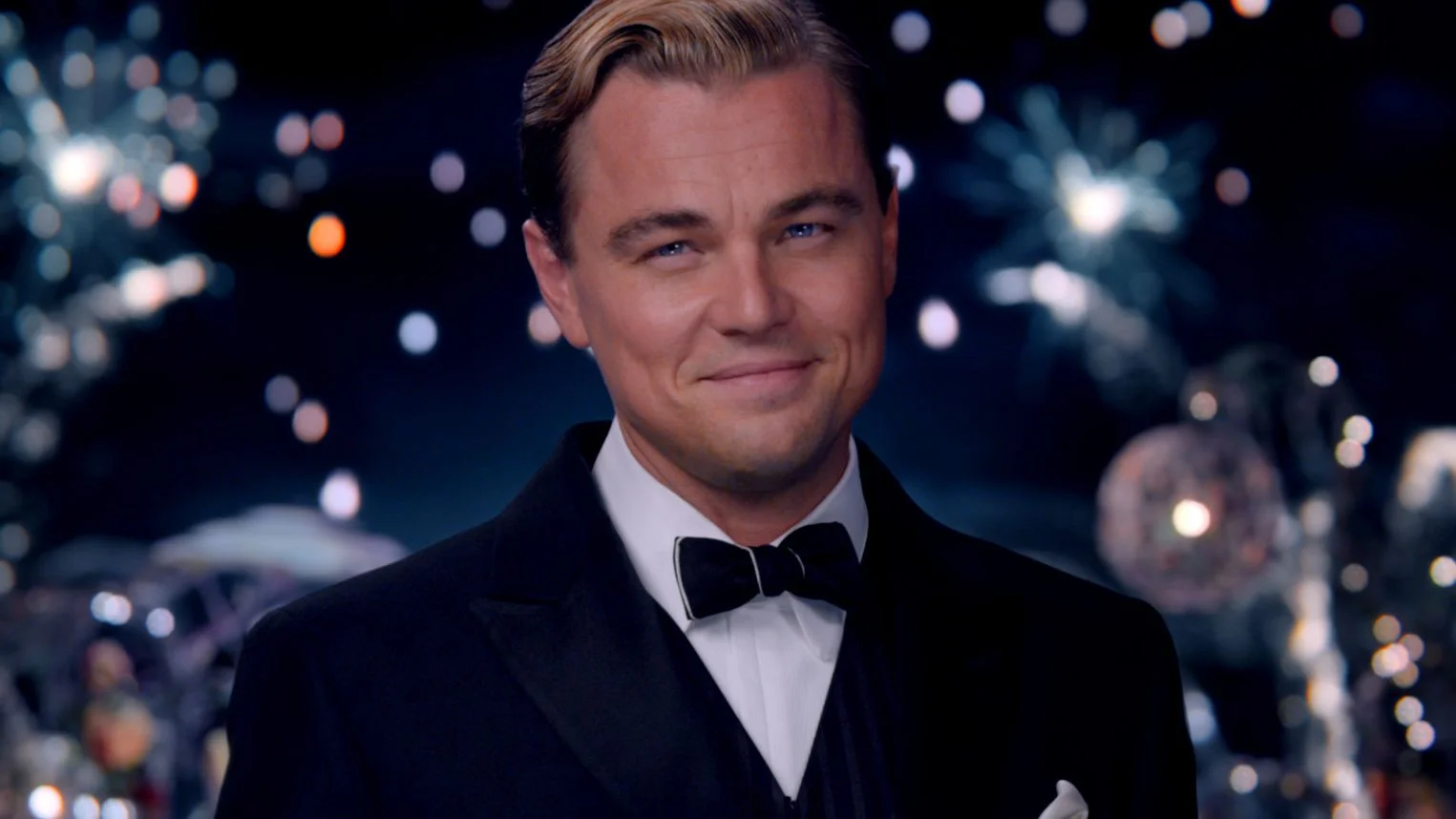
If you watch closely, DiCaprio appears for only a fleeting moment in the final cut, hidden amid the drama. The film’s team chose not to let him try again, adding a bittersweet undertone to the making of the movie. The moment eerily mirrors sequences from DiCaprio’s later work, particularly Once Upon a Time in Hollywood, where missed opportunities weigh heavily on actors’ careers. Despite this, he is still credited as “Guy” on IMDb, a mere footnote for a performer on the cusp of stardom.
From Missed Chance to Breakthrough Success
Shortly after the Poison Ivy disappointment, Hollywood took notice of DiCaprio’s talents. Within a year, he appeared alongside Robert De Niro in This Boy’s Life and earned an Academy Award nomination for What’s Eating Gilbert Grape. This quick progression shows that while a single setback in Hollywood can hurt, it does not have to define an actor—a lesson DiCaprio embodied as he quickly learned from his early mistake.
The film Poison Ivy itself premiered at the Sundance Film Festival in 1992, at the height of the indie film explosion. Led by Drew Barrymore in a striking “bad girl” performance, and flanked by Sara Gilbert, Cheryl Ladd, and Tom Skerritt as the ill-fated “silver fox dad,” the movie became both a camp classic and a window into the era’s shifting screen personas. Its infamous balcony scenes, risky costuming, and bold theme carried the legacy forward, while its sequels starred Alyssa Milano, Jaime Pressly, and Miriam McDonald—each bringing their own imprint to the Poison Ivy saga.
A Legacy Defined by What Might Have Been
The story of Leonardo DiCaprio lost role in Poison Ivy movie remains a quiet but poignant footnote in film lore. The incident highlights the unpredictability of film production, the vulnerability of new talent, and the power of second chances. While fans may scan the screen for that brief glimpse of DiCaprio, his journey proves that even the most promising opportunities can slip away, only to open the door to even greater achievements. Today, the film is remembered not just for its camp or controversy, but for the remarkable near-miss of a star who would define a generation of Hollywood success stories.
