
Martin Scorsese on declining movie theater attendance due to audience behavior is a serious concern for both the film industry and fans, as the acclaimed director himself now avoids cinemas because of disruptive crowds rather than rising costs. This shift in viewing habits, which Scorsese discussed with critic Peter Travers, highlights a worrying trend where dedicated cinephiles, as well as regular moviegoers, are rethinking their theater experiences due to changing behaviors inside the auditorium.
Waning Respect for the Cinema Experience Pushes Film Lovers Away
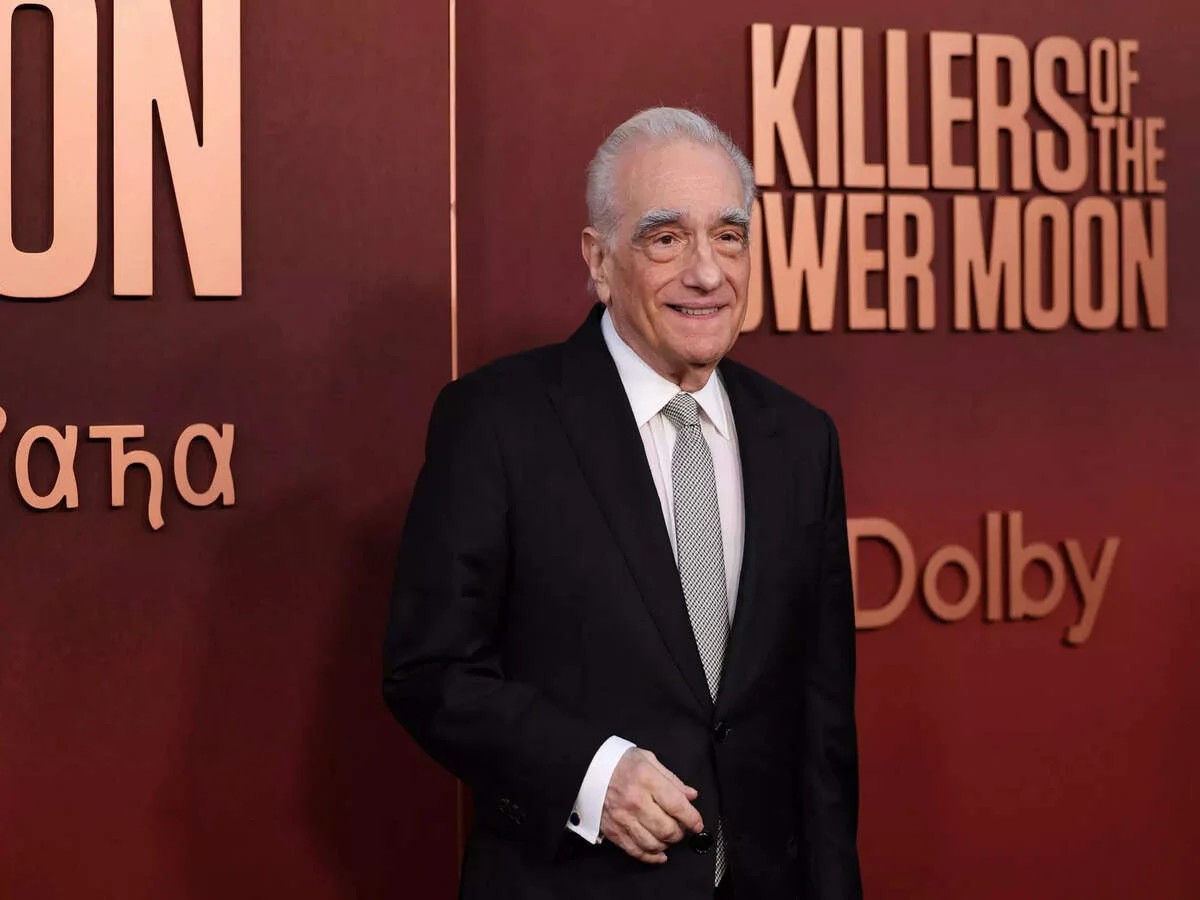
Scorsese, recognized for championing the theatrical experience and ensuring wide screen releases even for his streaming projects like The Irishman and Killers of the Flower Moon, voiced his frustration with attending movie theaters today. He admits that audiences who talk or text during screenings have killed the magic for him, a sentiment echoed by many cinephiles and audience members who value focused viewing. The movie theater, once a sanctuary for immersive experience, is now struggling in the wake of the streaming revolution and shifting societal habits.
Going to the movies has become less frequent and more costly for most people, as rising ticket prices and the abundance of streaming options make at-home viewing more appealing. While comfort and convenience play a role, Martin Scorsese’s frustration centers on the behavior of those present—viewers treating cinemas as living rooms, disrupting others by talking, texting, or engaging in other distractions. For those who genuinely want to pay attention to a film, the prospect of waiting for a video-on-demand release, rather than enduring disruptions at the theater, is becoming more attractive.
Theatres themselves are struggling to maintain order due to limited staff and financial difficulties. Unlike independent chains such as Alamo Drafthouse, which upholds strict rules around texting, talking, and punctuality, larger chains like AMC and Cinemark face layoffs and closures, leaving little capacity to enforce etiquette. As a result, disruptive experiences go unchecked, and audience members who value respectful environments might avoid theaters entirely, feeling alienated when seeking out new releases.
New Initiatives and Looser Standards Worsen the Problem
Across the industry, attempts to revitalize theater attendance are having unintended consequences. Radically different approaches—like increased restaurant services or “phone-friendly” screenings—may broaden the appeal for some, but often irritate dedicated customers hoping for a traditional, undisturbed experience. These efforts can be antithetical to the original intent of going to the movies for pure focus and enjoyment, and they highlight just how much theaters are struggling to maintain their core audience base while attracting new faces.
Studios and Stars Fuel Distracting Trends
Actions by studios and prominent individuals also play a part in eroding theater etiquette. For example, at a screening of A Minecraft Movie, director Jared Hess described scenes of popcorn being thrown at the screen as “hilarious,” emboldening rowdy behavior. Cynthia Erivo, a well-known figure, encouraged audiences to sing along during showings of Wicked: Part One, and the Deadpool & Wolverine social media team promoted audience-shot videos captured inside theaters. Blumhouse even hosted special M3GAN screenings where using phones during the movie was not only condoned but rewarded with access to exclusive content.
Such actions, though perhaps intended to enhance the experience or foster engagement, send mixed messages that distract from the movie itself. The ideal of a focused, communal filmgoing experience—a vision Martin Scorsese has long defended—grows harder to achieve. Attending a festival such as Toronto, New York, Telluride, Sundance, or Cannes might still offer this atmosphere, but these events cater mostly to those with the resources and privilege to attend, making the magic of the cinema experience less accessible overall. As one observer noted, film is drifting toward exclusivity, much like attending Broadway performances.
Industry Shifts Undermine Critical Discourse and Audience Trust
Allowing audience disruptions and distractions signals a deeper change in the industry. Once permitted, proponents of such freedoms will continue to push boundaries further, making quiet and contemplative film viewing even rarer. The industry’s relationship with critics has also suffered, as advanced press screenings now feature influencers focused on content creation rather than genuine film critique. The role of trusted critics and meaningful discussion is diminished, leaving those like Martin Scorsese—pivotal figures in cinema’s history—disillusioned and less eager to participate in what was once a communal ritual.
The Future: Who Can Restore Cinema’s Sanctity?
The steady decline in movie theater etiquette, combined with shifting industry priorities and economic pressures, has led Martin Scorsese to avoid theaters—a development that should give everyone involved pause. With viewers, theater owners, studios, distributors, and even influential supporters like cinephiles, critics, and stars all possessing some responsibility, the challenge now is whether the collective industry can restore the sense of respect and focus that once made going to the movies a truly special occasion.
