
Scarlett Johansson removed executive producer credit from Thunderbolts*, despite her longstanding association with the Marvel Cinematic Universe and her character’s presence in the film, due to her absence from active participation in the project. The decision has raised questions among fans about her evolving role within Marvel, as well as the significance of creative involvement versus contractual recognition.
Background on Scarlett Johansson and Thunderbolts*
The Marvel film Thunderbolts* debuted earlier this year, receiving favorable feedback from critics and fans, though its box office numbers fell short compared to past MCU blockbusters. Unlike several recent franchise entries, Thunderbolts* was appreciated for its focus on character arcs and more classic storytelling. Central to this narrative was Black Widow—the alter ego of Natasha Romanoff, famously portrayed by Scarlett Johansson in previous Marvel movies. Although Johansson’s character is referenced repeatedly in Thunderbolts* through Florence Pugh’s Yelena, Black Widow does not appear onscreen, having died in Avengers: Endgame.
Johansson’s relationship with Marvel has been both impactful and, at times, tense. She was involved in a public dispute with Disney over her payout for Black Widow after the film’s hybrid release in theaters and streaming—a matter that was settled in 2021. Nevertheless, this dispute was reportedly not the reason behind her decision to forgo the Thunderbolts* executive producer credit.
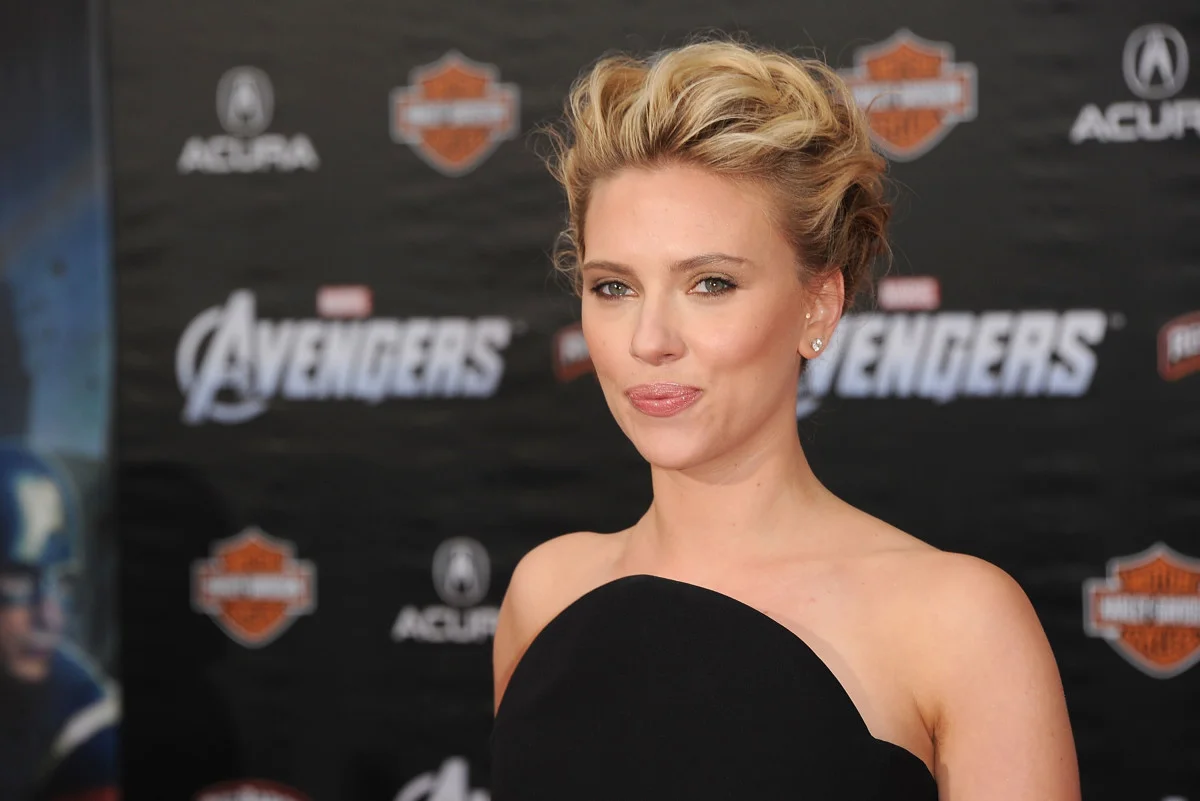
Why Scarlett Johansson Chose to Remove Her Credit
Despite initial plans for Scarlett Johansson to receive an executive producer title for Thunderbolts*, she personally requested its removal before the film’s release. This decision stemmed from her belief that it would not be appropriate to claim credit for a film in which she had no direct, on-set involvement. Johansson’s character, while central to the plot and referenced by other characters like Florence Pugh’s Yelena and David Harbour’s Red Guardian, is never physically present in the story.
During a conversation with David Harbour, the actor behind Red Guardian, Johansson shared her perspective on her involvement—or lack thereof—with Thunderbolts*. Harbour remarked:
It’s the opening day of a movie that basically you are basically the seventh Thunderbolt in. Your character is all over this movie. Have you seen it? Okay. You are an executive producer on it. Congratulations…You hated the movie that much?
—David Harbour, Actor
Johansson clarified in interviews that her presence behind the scenes was minimal, and accepting executive producer recognition felt purely contractual rather than earned through active contribution. The references to her character were significant throughout the movie, but her non-involvement, following her character’s canonical death, led her to conclude that taking the producer credit would not reflect her actual participation.
Exploring Johansson’s History with the MCU
Scarlett Johansson began her Marvel journey with Iron Man 2, becoming one of the founding Avengers and a pillar of the franchise’s rise. Nonetheless, delays in providing her a solo film—Black Widow was released only after her character’s death in Endgame—have long been a point of frustration among her supporters. Black Widow’s release in 2021 was marked by controversy, as Johansson sued Disney for what she characterized as lost profits stemming from simultaneous theatrical and streaming releases. That dispute ended with a settlement, but the complexities of Johansson’s tenure with Marvel lingered for both fans and industry observers.
Despite the widespread tributes to Black Widow’s legacy and frequent references throughout Thunderbolts*, Johansson herself has distanced her current involvement, formalizing her departure through the executive producer credit withdrawal. This choice points to deeper issues over creative agency and accurate representation within major film franchises, especially for actors whose past contributions are honored more in narrative than in production roles.
Speculation Surrounding a Potential Return
The MCU’s future continues to captivate audiences, with new projects like Avengers: Doomsday generating excitement for possible character comebacks. Robert Downey Jr.’s anticipated appearance as Doctor Doom exemplifies Marvel’s willingness to blur continuity and revive familiar faces, sparking speculation about whether other departed heroes could make a return. Fans are eager to see if Scarlett Johansson might be among those resurrected, given her impact and the enduring popularity of Black Widow.
However, Johansson has addressed the prospect of her returning to the Marvel fold with ambivalence. In an interview with Vanity Fair, she explained the personal and creative complexities involved in such a move:
It would be very hard for me to understand in what capacity [returning] would make sense for me, for the character that I play. I miss my buddies and really would love to be with them forever, but what works about the character is that her story is complete. I don’t want to mess with that.
—Scarlett Johansson, Actress
While the cast list for Doomsday currently lacks any mention of Johansson, the unpredictable nature of Marvel’s multiverse storylines means that Black Widow’s return cannot be fully ruled out. Her remarks, however, suggest she is keen to preserve the integrity of Natasha Romanoff’s concluded arc, making a comeback unlikely unless a compelling narrative justification emerges.
The Impact of Johansson’s Decision and the Future of Marvel Storytelling
Scarlett Johansson’s choice to remove her executive producer credit from Thunderbolts* highlights ongoing debates over creative credit, recognition, and the complexities faced by major franchise actors. The move underlines her commitment to authentic involvement rather than symbolic titles, reinforcing the idea that participation must be substantiated by direct contribution. Johansson’s action also draws attention to how the Marvel Cinematic Universe manages legacy characters whose stories may be viewed as both complete and foundational.
As Thunderbolts* shapes the next phase of the MCU, fans and critics alike are left considering the importance of storytelling consistency, respect for characters’ journeys, and the realities of production credit. Scarlett Johansson’s departure from both on-screen and behind-the-scenes roles may signal the end of an era, but her influence and the discussion it inspires about authorship and creative roles are likely to have lasting effects on Marvel’s evolving universe and the industry at large.
