
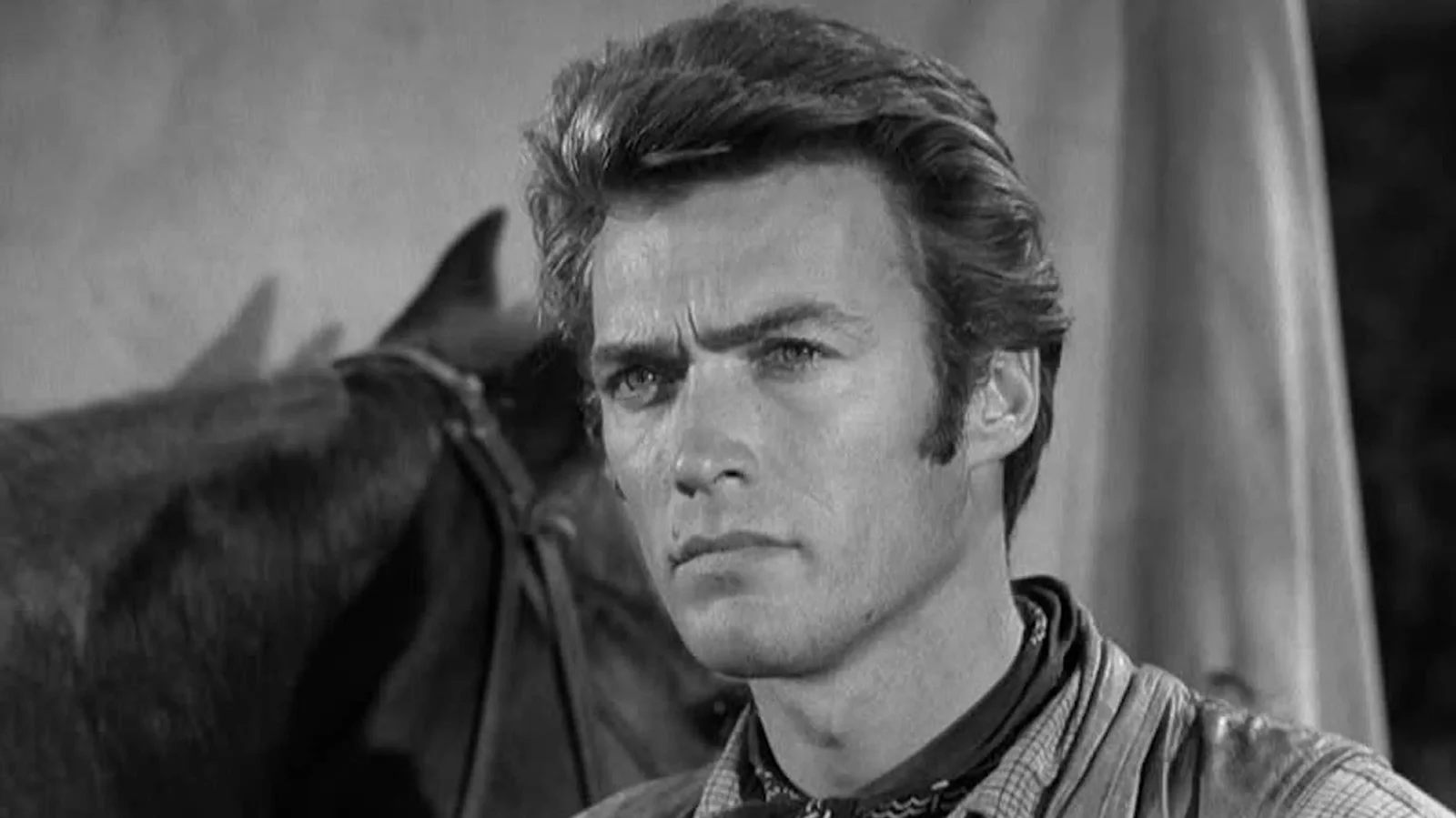
Clint Eastwood‘s role in the Dollars Trilogy Westerns, under the direction of Sergio Leone, not only established him as a defining figure in the genre but also led to the emergence of one of cinema’s most iconic villains. Released between 1964 and 1966, the trilogy redefined Westerns globally, dramatically impacting the careers of its stars and contributing to the legacy of villainy in film.
The Duality of Lee Van Cleef in the Dollars Trilogy
Lee Van Cleef was pivotal to two of the Dollars Trilogy’s films, playing contrasting roles that showcased his range as an actor. In “For a Few Dollars More,” Van Cleef portrayed Colonel Douglas Mortimer, a character driven by a deeply personal quest for vengeance. The story centered on Mortimer working with Eastwood’s character, often known as the Man With No Name (here referred to as Manco), to hunt down the villainous Indio and settle the score for Mortimer’s sister‘s death. Mortimer, serving as a co-protagonist, propelled the film’s narrative forward with his singular focus and moral complexity.
In a remarkable shift, Van Cleef returned in
“The Good, the Bad, and the Ugly”
as Angel Eyes, a cold-blooded gunslinger whose pursuit of hidden Confederate gold left a chilling mark on the genre. Here, Van Cleef stepped into the role of the primary antagonist—a ruthless man whose commitment to his own interests placed him at direct odds with Eastwood’s character and the unpredictable outlaw Tuco, played by Eli Wallach. The contrast between Mortimer’s search for justice and Angel Eyes’ unyielding cruelty highlights the breadth of Van Cleef’s contributions to the trilogy’s enduring appeal.
The Dollars Trilogy: Connected by Style, Not Storyline
The casting of Van Cleef in drastically different roles within the same series underscores the loosely connected nature of Leone’s Dollars Trilogy. While these films are often grouped as a trilogy due to Eastwood’s recurring gunslinger persona and thematic similarities, they are not linked by continuous storylines or a shared universe. Van Cleef’s portrayal of Mortimer and Angel Eyes in separate films illustrates how actors, and even minor cast members, were frequently recast in new roles, reinforcing the idea that each story is self-contained.
This structure allowed for evolving dynamics, unique plotlines, and stand-alone narratives, making each installment distinct while maintaining a signature style and recurring motifs. Fans often debate the continuity of Eastwood’s character; however, the evidence shows that the trilogy functions more as a series of variations on similar archetypes and themes than as chapters in a single story.
Angel Eyes: Establishing the Archetype for Western Villains
Sergio Leone’s decision to reuse Van Cleef for the role of Angel Eyes in the final film offered audiences a villain who would set a new benchmark for on-screen antagonists. The introduction of Angel Eyes, marked by a scene where he coldly interrogates and then kills an entire family, signaled the presence of a truly merciless figure. The effectiveness of the character sprang from an absence of moral ambiguity—Angel Eyes was neither softened by a redemptive backstory nor made sympathetic by personal struggles. His competence with a gun and calculating intelligence only served to amplify the threat he posed throughout the film.
Leone’s depiction of Angel Eyes established him as the quintessential Western villain, embodying all the traits that defined evil in the context of the genre. The allure of the character lay in his pure antagonism; audiences were left to marvel at Van Cleef’s transformation from hero to villain across the series, while the film itself resisted any urge to humanize him or justify his actions. Instead, Angel Eyes remained unwavering in his greed and ruthlessness—a stark counterpoint to both Eastwood’s enigmatic antihero and Wallach’s unpredictable Tuco.
The Lasting Legacy of the Dollars Trilogy Ensemble
The Dollars Trilogy elevated every key figure involved: Clint Eastwood’s performance across the three films solidified his status as a Western icon, while Sergio Leone’s directorial style influenced future generations of filmmakers. Eli Wallach’s portrayal of Tuco stood out as a landmark in character acting, adding complexity and unpredictability to the story. Lee Van Cleef’s dual roles as Mortimer and Angel Eyes opened new avenues in his career, establishing him as a prominent star of 1970s Westerns, while his depiction of Angel Eyes continues to inform portrayals of villains on screen.
The enduring success and influence of these films rest not only on their stylistic innovations but also on their unforgettable cast and the memorable villains they introduced. As viewers revisit the Dollars Trilogy, the figure of Angel Eyes remains a benchmark for cinematic evil—a testament to both Van Cleef’s performance and Leone’s vision. The trilogy illustrates how iconic Westerns can pivot from revenge narratives to meditations on greed and cruelty, with Eastwood, Wallach, and Van Cleef serving as cornerstones of this transformation in film history.
