
Bryce Dallas Howard has openly discussed her foresight regarding the Henry Cavill Argylle box office failure with Bryce Dallas Howard, emphasizing that she anticipated the film’s poor performance well before its debut. Argylle, released in theaters in 2024, cost an estimated $200 million to produce but failed to achieve commercial success, coming nowhere close to recouping its investment during its theatrical run.
How Argylle Unfolded and Why the Box Office Faltered
Argylle, directed by Matthew Vaughn, known for his work on Kick-Ass and The Kingsman series, follows reclusive spy novelist Elly, portrayed by Bryce Dallas Howard, who struggles with writer’s block. As she travels by train to visit her parents, the shadowy group known as the Division targets her, believing she has somehow predicted future events in her books. A real-life spy, played by Sam Rockwell, intervenes to save her from this threat. The story weaves together elements of espionage and fiction, a creative hallmark for Vaughn’s films.
Despite a high-profile cast including Henry Cavill, Ariana DeBose, and Sam Rockwell, Argylle failed to attract large audiences. With a production budget reaching $200 million, industry estimates suggested that the movie needed to gross approximately $500 million globally to break even, according to data reported by Variety. Ultimately, the film closed its theatrical run with a disappointing $96.2 million in ticket sales.
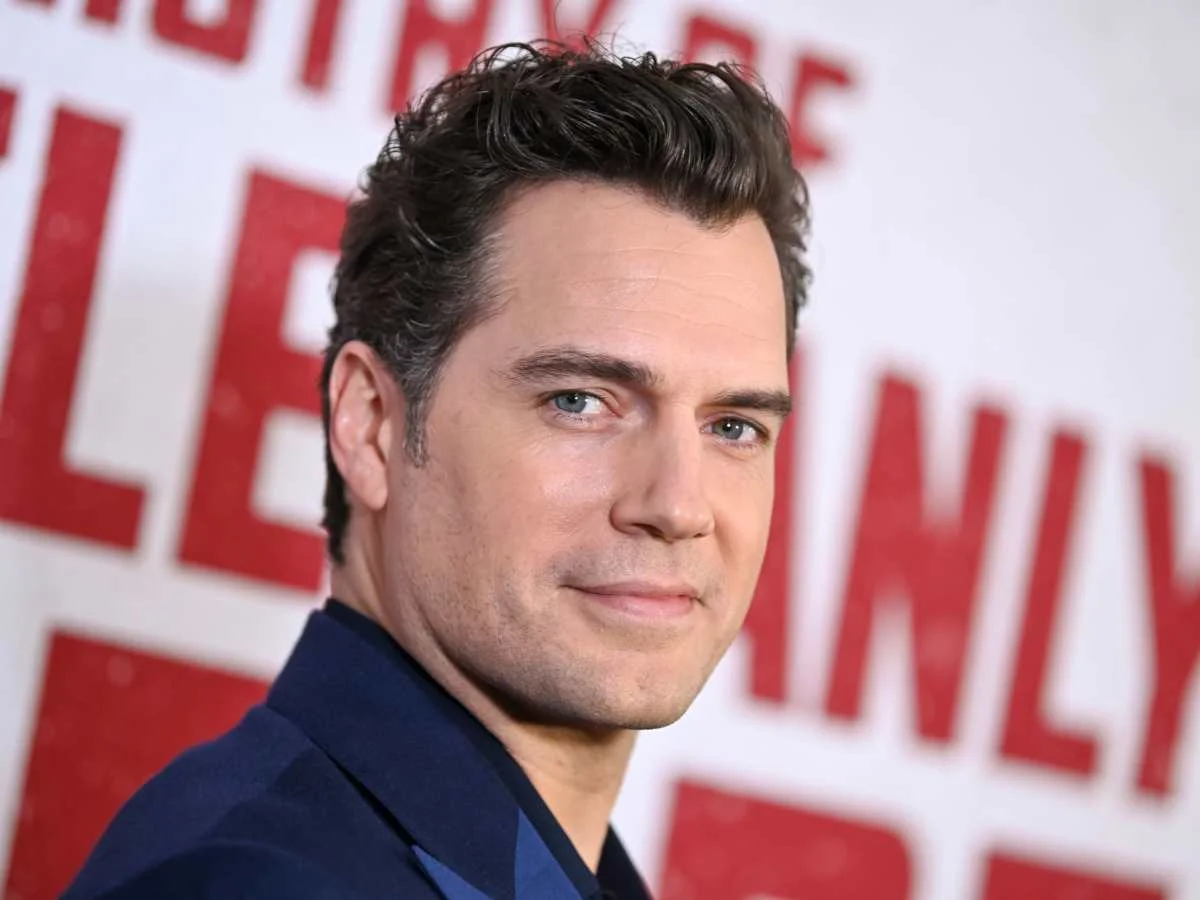
In reflecting on her experiences with box office disappointments, Howard shares a candid outlook on the process.
“You can always see it coming while you’re making it. I’ve never been shocked when something doesn’t work. But I’m just an actor – you’re there to serve a director’s vision. If a movie doesn’t turn out the way that you envisioned, you can barely feel disappointed because it’s not yours. You’re not the person who’s building the thing.”
—Bryce Dallas Howard, Actor
Howard contrasted her role as an actor with her father, Ron Howard’s, perspective as a director, noting that directors, unlike actors, often shoulder the emotional impact of a film’s failure. She recalled how her father would feel emotionally burdened by a movie‘s underperformance, adding:
It blows him away that I don’t do that.
—Bryce Dallas Howard, Actor
The Shift to Streaming: Argylle’s Intended Audience
While discussing her career with media outlets, Howard categorized Argylle alongside earlier box office missteps such as The Lady in the Water, which made $72.8 million on a $70 million budget and became a major setback for M. Night Shyamalan. However, she highlighted that Argylle’s case was unique. Unlike theatrical releases of the past, Argylle was co-produced by Apple Original Films and Universal Pictures with a different strategy in mind. The film was always planned as a draw for the Apple TV+ streaming platform after its theatrical window.
Even before its cinema premiere, announcements for a prequel series and major casting choices signaled Apple’s commitment to the project beyond a traditional film release. The poor critical reception and a marketing campaign that branded the movie as a straightforward spy comedy didn’t help matters. Argylle was also revealed post-release to be a spinoff from the Kingsman franchise, but this connection proved insufficient to boost its commercial momentum, especially after The King’s Man’s lukewarm box office results in 2021.
This strategy mirrored how Netflix invested heavily in films like Red Notice, prioritizing direct-to-streaming releases over box office earnings. Apple’s purchase of Argylle’s distribution rights was part of a broader push to increase Apple TV+ subscribers, even if that meant accepting minimal gains from cinema audiences.
The Broader Repercussions of Argylle’s Performance
For both Matthew Vaughn and Apple TV+, Argylle’s theatrical failure was a setback. The project’s lackluster debut in theaters and subsequent underperformance left little hope that streaming viewership could ultimately justify its enormous budget. Howard’s outlook remains pragmatic, as she appears content to focus on her performance and move forward rather than dwell on Argylle’s commercial shortcomings, a stance that may shield her from the turbulence faced by directors and producers.
The outcome of Argylle’s release is likely to influence how future high-budget films are positioned and marketed for streaming platforms. Apple’s gamble to lure more subscribers has significant implications for future collaborations between major studios and streaming services, particularly when star-driven projects fail to meet financial expectations in theaters. As companies like Apple and Netflix continue to redefine distribution strategies, projects such as Argylle will serve as cautionary examples of both the risks and realities tied to blockbuster gambles in a rapidly changing entertainment landscape.
