
Samuel L. Jackson steals the show in The Unholy Trinity, bringing his signature intensity and complexity to a lackluster western that struggles to match the power of its cast. Set in Trinity, Montana, Richard Gray’s film features Jackson, Pierce Brosnan, and Q’orianka Kilcher delivering compelling performances amid a story that never quite rises to their level.
Jackson Delivers a Standout Performance in an Unremarkable Western
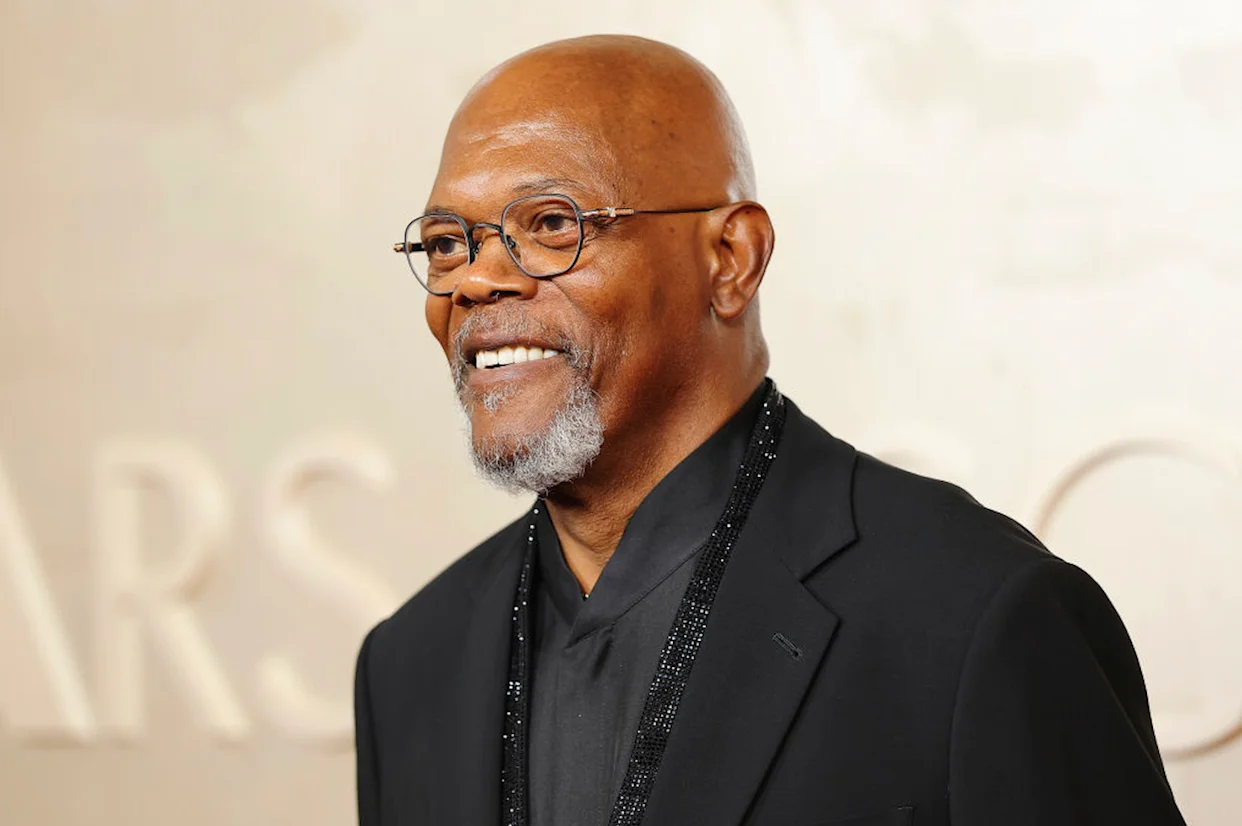
Audiences have come to expect dynamic acting from Samuel L. Jackson, whose roles in films like Pulp Fiction and Jackie Brown have showcased his flair for explosive emotion and dramatic transformation. In The Unholy Trinity, he once again demonstrates his mastery of shifting tone, moving seamlessly from a warm demeanor to something far more menacing. His character, St. Christopher, is at the heart of the film’s intrigue: a cunning former slave seeking retribution and riches, manipulating the unfolding events in Trinity from the shadows.
Jackson’s bold performance highlights a deeper issue with the movie: the gap between the strength of its actors and the mediocrity of its script. Director Richard Gray assembles a prominent cast, including Pierce Brosnan as Sheriff Gabriel Dove and Q’orianka Kilcher as Running Cub, yet gives them material that often fails to meet their talents. The ensemble works hard to breathe life into their characters, though the weak narrative limits what they can achieve.
A Protagonist Lost in the Shuffle
The film follows Brandon Lessard as Henry Broadway, the son of a convicted murderer whose father’s last wish is for Henry to avenge him by killing the corrupt sheriff. Henry’s journey leads him to Trinity, Montana, where he confronts Sheriff Dove, only to learn the real villain is already dead. This revelation sidelines Henry from the central events, and even his accidental involvement in a multiple homicide and subsequent flight fails to reignite the story in his favor. The narrative consistently pulls focus away from Henry, making him feel more like a secondary presence than a true protagonist.
Pierce Brosnan’s Sheriff Dove and Q’orianka Kilcher’s Running Cub both have powerful backstories that hint at more compelling films within the film itself. Dove, an Irish immigrant perpetually surrounded by violence and prejudice, fights to keep the townsfolk from lynching Running Cub, and both characters display depth absent from Henry’s arc. Even St. Christopher, Jackson’s devious mastermind, overshadows the supposed lead, manipulating events with a mischievous energy that few can match.
Supporting Performances Elevate Disappointing Material
Despite the underwhelming narrative, the central cast manages to inject energy and gravitas into the film. Brosnan continues to excel in action scenes, maintaining composure and delivering a measured performance amid chaos. Kilcher brings emotional depth to her role, shouldering the film’s heaviest moments with restraint and power. Yet it is Jackson who commands the screen, his portrayal of St. Christopher evoking the sly, unpredictable nature of a trickster god. He weaves through the story, manipulating the “sinners” of Trinity to do his bidding, and it becomes clear that the story would benefit from centering entirely on his character.
Much of the script is hackneyed and repetitive, offering the main actors only the faintest hints of Shakespearean drama to work with. Nevertheless, their innate charisma and presence keep the film afloat, momentarily lifting it above its pedestrian plot. The scenes without Henry, in particular, sparkle with possibility—scenes where Jackson, Brosnan, and Kilcher are unobstructed by the constraints of the film’s lackluster protagonist.
Unfulfilled Potential Amid Familiar Storytelling
The Unholy Trinity ultimately disappoints through its reliance on recycled western themes and uninspired direction. The filmmakers deliver competent camerawork and maintain a somber, uneasy atmosphere, but the creative decisions too often pull the story away from the most interesting characters. The film is neither painfully bad nor particularly enjoyable, and in a genre crowded with classics and modern reinterpretations, it fails to distinguish itself. Viewers are left wishing that more time had been spent with the likes of St. Christopher or Sheriff Dove, or even exploring the shadowy presence of the former sheriff at the heart of the conflict.
While not an entirely wasted viewing experience, the film leaves much to be desired, especially for fans of the featured cast. Those hoping to see the talents of Jackson, Brosnan, and Kilcher put to proper use may find themselves frustrated by the imbalance between performance and story.
What This Means for Modern Westerns
The Unholy Trinity serves as a reminder of the importance of strong writing to match the intensity of talented actors. While Samuel L. Jackson steals the show in The Unholy Trinity, his performance—and those of his co-stars—cannot fully compensate for a script that struggles to bring out the best in them. The cast’s determination and presence deliver flashes of excellence, but the film’s limitations hold it back from greatness. In today’s cinematic landscape, where nuanced stories and memorable characters are paramount, this western falls short of capitalizing on its potential and the promise of its remarkable ensemble.
