
In a recent reflection on his work, Jackie Chan criticizes Rush Hour 3’s inflated budget, suggesting that the film’s soaring production costs reduced its creative drive and adversely affected its box office returns. The action icon, known for pushing boundaries in martial arts cinema, highlighted how excessive spending can undermine the ingenuity that originally set a franchise apart.
Jackie Chan Opens Up About Creative Struggles With Big Budgets
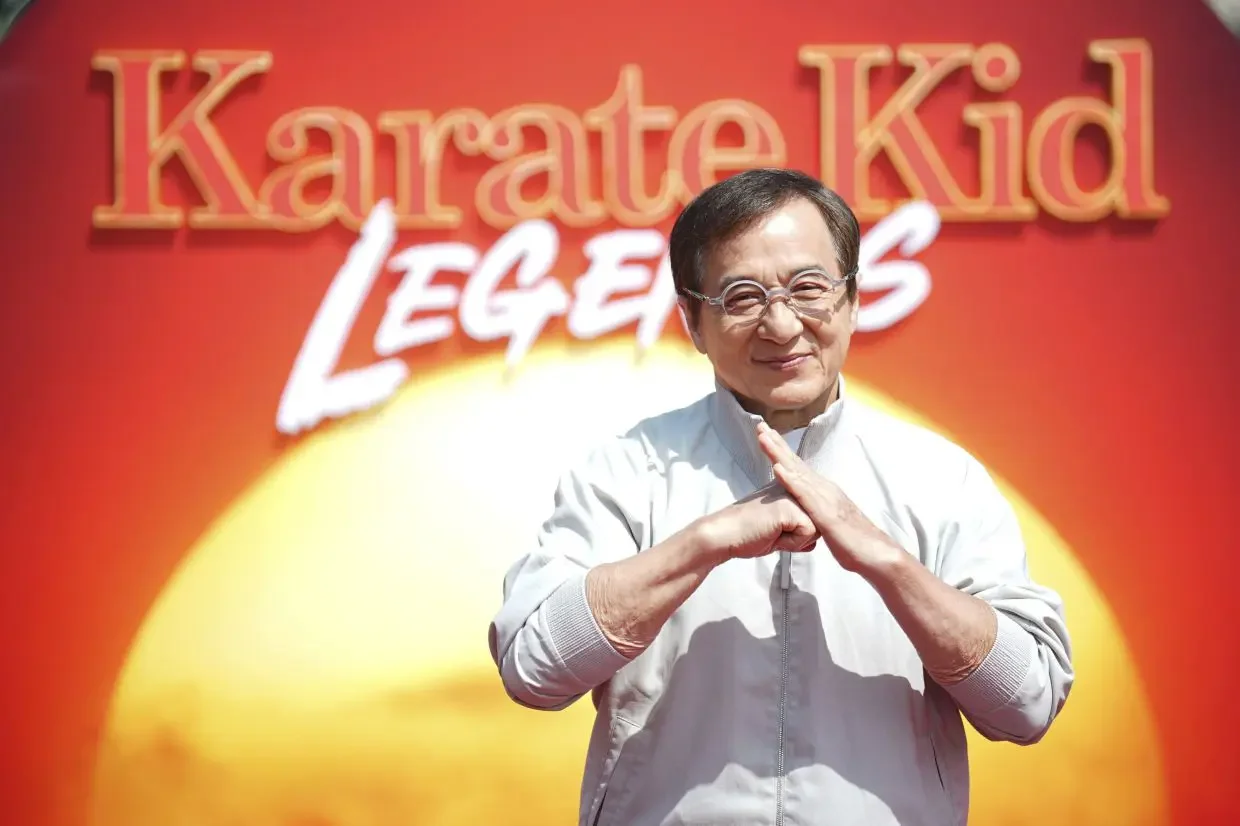
Jackie Chan, celebrated for his unparalleled stunts and comedic timing, voiced his concerns regarding the direction of one of his most successful series during a Buzzfeed Celeb interview while promoting Karate Kid: Legends. Having spent over fifty years in film and appeared in more than 200 movies, Chan has become synonymous with originality and grit in action cinema. Despite this storied career, Chan acknowledged that even the most established stars are not immune to the pitfalls of overproduction.
You know what, the first one: little money, little time. We shot it like, ‘Go, go, go, go!’ The second one: a lot of money, a lot of time. The third one: too much money, too much time. Too much money is no good.
His pointed remarks centered on the escalating budgets of the Rush Hour series. When the first film was made with limited resources, its creators—driven by necessity—were efficient and inventive. As funding increased for sequels, the production process lost its original urgency and creativity, according to Chan. In his view and that of others in the creative industry, too much comfort and cash can dilute a film’s authentic spirit, resulting in diminished box office success.
How Rush Hour’s Increasing Budgets Impacted the Series
Examining the Rush Hour trilogy helps illustrate Jackie Chan’s concerns. The first Rush Hour debuted in 1998, introducing audiences to Chief Inspector Lee—a calm, methodical martial arts expert portrayed by Chan himself—who partnered with Chris Tucker’s fast-talking LAPD detective, James Carter. Made on a modest $35 million budget, the film grossed $245.3 million worldwide, demonstrating that creativity could thrive on limited means.
The sequel, Rush Hour 2, elevated the stakes as Lee and Carter traveled to Hong Kong to unravel a counterfeiting operation connected to Lee’s father’s death. With an increased budget of $90 million, the movie still captured audiences and grossed $347 million worldwide. However, the dynamic started to shift as the resources expanded significantly.
By the time Rush Hour 3 arrived, Lee and Carter found themselves chasing a Triad plot in Paris, facing Lee’s long-lost foster brother. Despite elaborate stunts and larger spectacle, the film was criticized for recycling familiar formulas and lacking originality. The production budget had now ballooned to $180 million, but box office returns failed to meet expectations, with global earnings of only $256 million. This outcome reflected the dangers Chan had mentioned—excessive spending didn’t guarantee innovation or commercial success, and in this case, possibly contributed to the film’s lackluster reception.
Industry Insights and the Legacy of the Franchise
Jackie Chan’s perspective offers a candid look into the realities of big-budget filmmaking, particularly relevant in Hollywood, where the allure of “bigger is better” often overrides creative instincts. His remarks serve not as mere criticism, but as meaningful advice from an artist who’s experienced the complexities of both small-scale scrappiness and blockbuster excess. The Rush Hour trilogy, especially its later entries, became a case study in how more money can sometimes hinder the very qualities that make movies memorable.
The continuing relevance of Chan’s comments comes at a time when many industry creators grapple with similar challenges. His comments resonate with anyone who has witnessed a promising movie series suffer from franchise fatigue. While Chan’s role in each installment connected the series to its martial arts roots, it was the sincerity and inventiveness of the original that proved most enduring.
Today, fans and critics continue to celebrate Jackie Chan’s contributions, not only as a martial arts expert and hero onscreen but also as a voice for artistic integrity in a business driven by profit. The trilogy, which spans Paris, Hong Kong, and the USA, remains accessible for new viewers on platforms like HBO Max, reminding audiences of both its achievements and its missteps.
Ultimately, Chan’s reflections on Rush Hour 3 serve as a cautionary tale for filmmakers and studios worldwide. His call for balance between budget and creativity speaks to the heart of great storytelling—and its importance will only intensify as the industry continues to evolve.
