
Benicio Del Toro‘s transformative performance in Sicario continues to influence how audiences and critics see his range as an actor, even a decade after the film‘s release. In 2015, by embodying the enigmatic Alejandro Gillick, Del Toro redefined not only his own career trajectory but also the expectations surrounding supporting roles in action thrillers.
Del Toro’s Bold Departure from His Signature Roles
For much of his career, Benicio Del Toro became well-known for scene-stealing side characters whose memorable quirks shaped the films they inhabited. Audiences first noticed his unique presence in The Usual Suspects as Fenster, not long before he dazzled as Dr. Gonzo in Fear and Loathing in Las Vegas and as Franky Four Fingers in Snatch. His full mainstream arrival came with Traffic, earning Del Toro the Academy Award for Best Supporting Actor for his nuanced portrayal of Javier Rodriguez. Throughout these projects, he consistently wielded even the smallest role into something unpredictable, often using unexpected humor and off-kilter timing to enliven his performances.
However, Alejandro in Sicario could not be further from Del Toro’s established roles. While technically a supporting character since Kate Macer (played by Emily Blunt) anchors the story, Alejandro’s presence and Del Toro’s approach set this role apart from his “oddball” legacy. His performance in Sicario stripped away eccentricity, replacing it with haunting silence and deliberate restraint that continues to intrigue viewers years later.
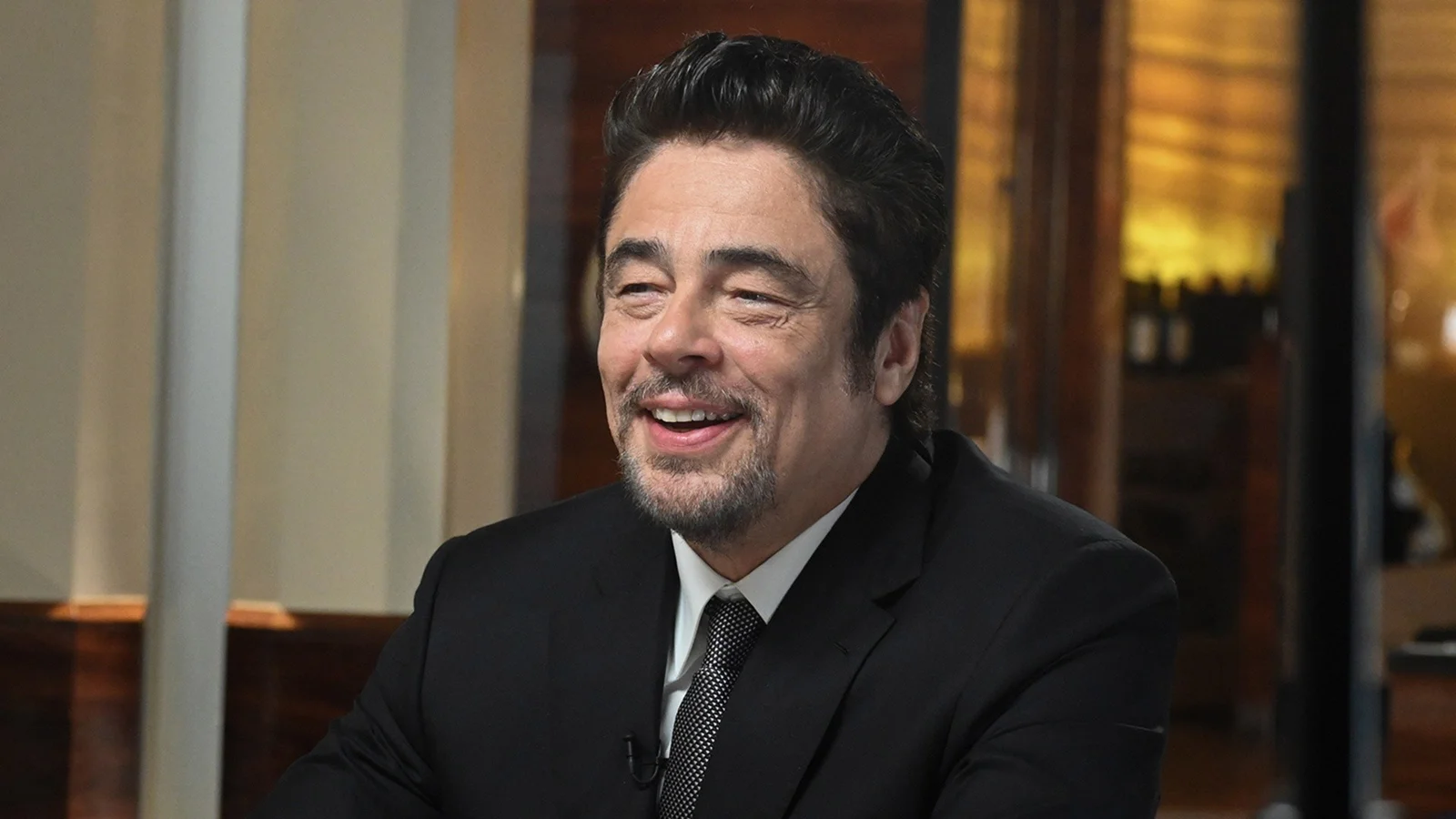
An Exercise in Restraint: Crafting the Mysterious Alejandro
Sicario introduces Alejandro Gillick with little backstory or detail about his personal motivations. He enters the narrative as part of a special Delta Force team, assisting the FBI and ultimately joining forces with Kate Macer. Macer, guided by her superior Matt (portrayed by Josh Brolin), is told only vaguely why Alejandro’s presence is crucial. Alejandro offers almost no insight into his past; he presents himself as a man intimately familiar with cartel violence but refuses to elaborate, keeping his fellow agents and the audience at arm’s length.
Del Toro’s approach relied on minimalism: he reportedly encouraged director Denis Villeneuve to scale back Alejandro’s dialogue, as written by Taylor Sheridan. Instead of drawing focus with bravado or showy monologues, Del Toro drew power from stillness, commanding attention through the subtle reactions of those around him. This tactic magnified Alejandro’s mythos, as he became known within the world of the film as the “Ghost of Medellín,” a moniker Del Toro met with an intense, quiet performance that left a chilling impression. Scenes, like the disturbing dinner table climax, echo with the threat of violence, calling to mind figures like Clint Eastwood’s William Munny or even Hannibal Lecter, who gain their power through anticipation rather than display.
Redefining the Limits of Supporting Roles
Del Toro’s career prior to Sicario was marked by distinct eccentricity — for every serious role, there was a performance as unexpected as his flamboyant turn in Guardians of the Galaxy or lending his voice to Swiper in Dora and the Lost City of Gold. This versatile energy makes his transition into Sicario’s controlled menace even more impressive. The contrast only serves to heighten the effect, highlighting how Del Toro amplifies the silent anguish and underlying rage that make Alejandro compelling.
Despite Alejandro’s limited screen time and dialogue, Del Toro transformed a potentially generic anti-hero into one of the most complex figures in modern action cinema. Fans’ sustained appetite for Sicario sequels speaks to this impact, as does the empathy Del Toro elicits for a coldly efficient killer — a rarity for characters who might otherwise seem irredeemable. The ability to evoke such depth aligns with the familiar but apt saying:
“no small parts, only small actors,”
—
Del Toro’s filmography testifies to his commitment to breathing life into any role, and Sicario, much like his acclaimed work in Traffic, stands as evidence that often less is more in the hands of the right performer.
The Lasting Influence of Del Toro’s Sicario Transformation
Ten years after the premiere of Sicario, Benicio Del Toro’s portrayal of Alejandro Gillick remains a touchstone for subtle, intense performances. The film’s availability on streaming services like Netflix keeps his turn accessible to new viewers, while also standing as a benchmark for what supporting actors can achieve in intense, complex thrillers. Influences from this role resonate not only in Del Toro’s ongoing collaborations, including unexpected appearances in Wes Anderson’s films, but also in the wider genre, where quiet and conflicted anti-heroes increasingly occupy center stage.
By redefining the supporting character trope in modern cinema with his transformative work in Sicario, Benicio Del Toro has ensured that Alejandro Gillick will remain one of his most important, haunting, and influential creations for years to come.
