
Celine Song explores brutal realities of modern dating in her latest film, “Materialists,” which opened in theaters to strong box office returns, signaling the official start of what some are calling “Celine Song Summer.” Charli XCX’s Coachella proclamation set the tone, as Song’s acclaimed follow-up to the Oscar-nominated “Past Lives” resonated with audiences seeking fresh narratives on love. The filmmaker, now celebrated as a leading voice in cinema, marked her second consecutive June release, following “Past Lives’” $42.6 million box office journey and multiple Academy Award nominations.
“Materialists” entered the domestic market with a notable $12 million debut, reflecting growing anticipation for Song’s work. The narrative centers around the complexities of romantic relationships, using the warm summer months as a natural backdrop. Song herself commented,
“It’s a perfect time for romantic films,”
—Celine Song, Director. The season, she reasons, is ideal for falling in love, building bonds that carry into the chill of autumn and the intimacy of holiday gatherings.
“And then by the holidays, maybe you bring them home to your parents. That’s the fantasy,”
—Celine Song, Director. She also expressed excitement about the film’s release during peak wedding season:
“I also love the idea of ‘Materialists’ being released during peak wedding season,”
—Celine Song, Director.
From Real Matchmaking to On-Screen Drama
Weddings lie at the heart of “Materialists.” The story features Dakota Johnson as Lucy, a high-achieving New York City matchmaker whose personal relationships spiral into complication. On one side is John, her struggling actor ex portrayed by Chris Evans; on the other, Harry, a successful newcomer played by Pedro Pascal. Song’s authenticity comes from her time as an actual matchmaker while pursuing a career as a playwright. This six-month stint immersed her in the “market” dynamics of dating and partnership.
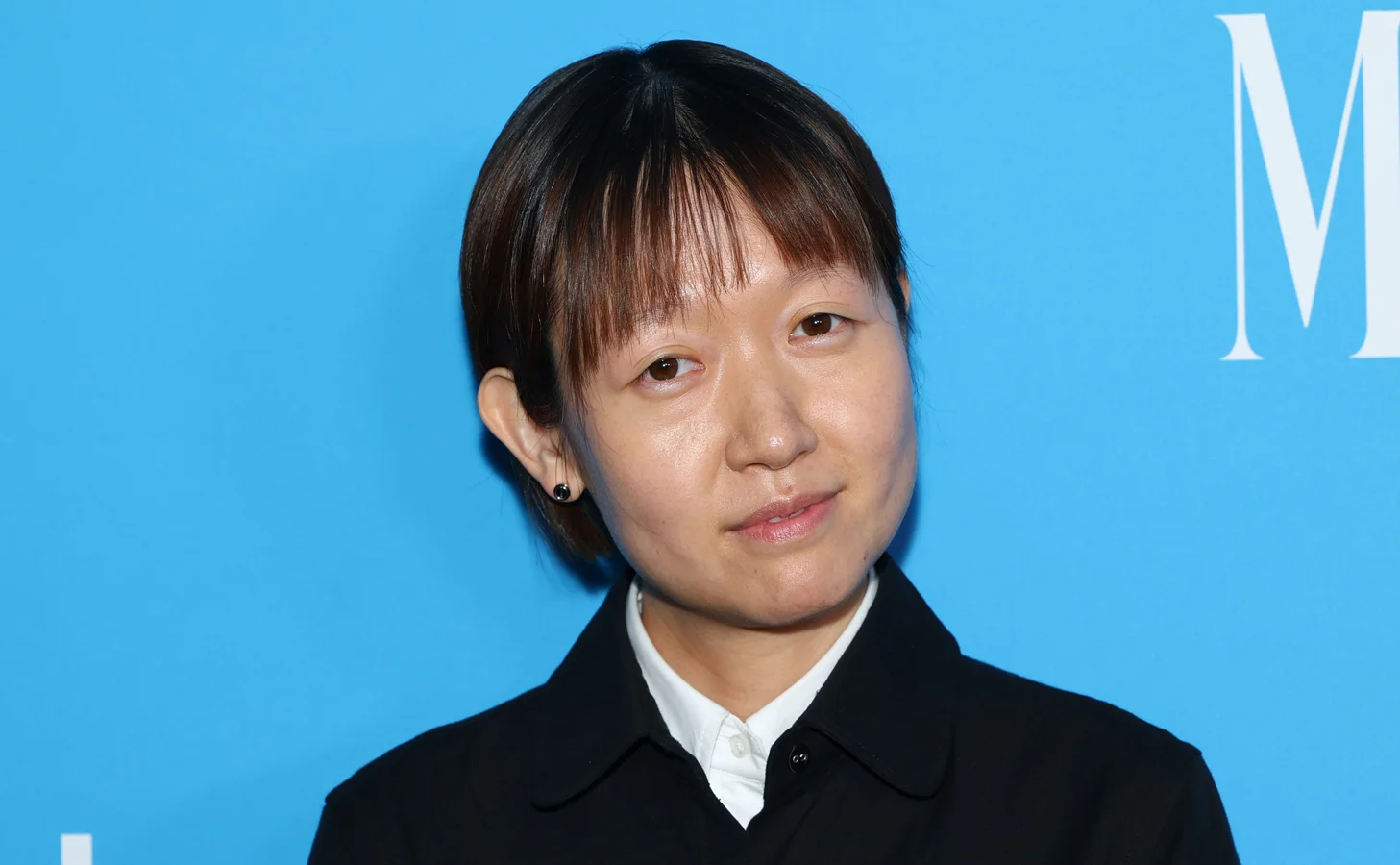
Song’s favorite romance films also guided her process. A24, the distributor, shared her list of influences, notably five Jane Austen adaptations: “Pride and Prejudice,” “Sense and Sensibility,” “Mansfield Park,” “Gosford Park,” and “Emma.” Song quipped,
“I’m like, ‘Put somebody in a corset, and I’ll watch it,’”
—Celine Song, Director, reflecting her fascination with Victorian romance. She added,
“I feel like I’ve seen every Victorian romance made, like, ever,”
—Celine Song, Director.
While Song regards “Materialists” as a modernized Victorian story—focused on the marriage market—the current dating landscape, in her view, now mirrors a stock exchange, where individuals’ worth fluctuates in real time. She illustrated this shift,
“Now, it looks like it’s a ticker on this,”
—Celine Song, Director, holding up her phone in laughter during the interview. Her approach pays homage to cinematic legends like Nora Ephron, Nancy Meyers, James L. Brooks, and Mike Leigh, whose explorations of human connections influenced her perspective.
“I’m just interested in love as a universal theme, and I believe that human feelings and human connections are worthy of cinema. Of course, so much of that belief came from those movies and those stories that I’ve always been really obsessed with,”
—Celine Song, Director.
Costuming and Character: Painting Real Lives Through Wardrobes
Costume design plays a critical role in establishing the film’s realism and relatability, crafted in collaboration with designer Katina Danabassis. The blue dress worn by Lucy, for instance, was initially puzzling to Song until Dakota Johnson wore it:
“I love the color, but what is the dress?”
—Celine Song, Director, referencing the garment’s mysterious cut. The visual allure continued throughout the film, as Song admired,
“The sheets in Harry’s apartment have the same — a deep beige shine,”
underscoring the film’s photogenic sensibility.
Lucy’s wardrobe speaks to her journey from working-class roots to her professional ascent in upper-class social circles. The character relies on well-selected basics with occasional luxury splurges, a strategy captured by Song and Danabassis. For Song, seeing authentic, accessible clothing on a protagonist adds depth and relatability:
“Oh my God, I have that!”
—Celine Song, Director. Johnson’s character, often found in Aritzia pieces, maintains a wardrobe that could belong to someone in the audience.
Male leads Harry and John display distinct styles to reflect their roles: Harry sports high-end labels like Hermès, aligning with his wealth, while John gravitates toward unbranded, vintage clothing. The minimal branding on John, limited to Carhartt, emphasizes his everyman status and economic struggles.
Crafting a Dynamic Cast—Chemistry and Connection
Song’s casting process focused on the heart and vulnerability of her leads. Dakota Johnson was selected for her humor and protective outer shell, which Song saw as emblematic of the character’s complexity. Describing the actor’s deeper qualities, Song said,
“She’s as delicate as an egg,”
expressing admiration for Johnson’s caring nature.
Chris Evans’ humility and “sweetness” made him a natural fit for John, providing a contrast to Harry’s more outwardly polished confidence. Song recounted,
“He’s got a very delicate sense of self… There’s a sweetness to him,”
recognizing the sincere energy he brought to set.
Pedro Pascal’s duality—his tough exterior and veiled vulnerability—mirrored what Song sought for Harry. Their relationship developed organically, and a deep conversation at a party about the mysteries of love convinced Song to offer him the role:
“Hey, I want you to read my script,”
—Celine Song, Director. Song highlighted the synergy of the group:
“Hey, I think Dakota is Lucy,”
—Celine Song, Director, conveying her immediate certainty about her casting decisions. She admires actors deeply engaged with their craft, stating,
“Can you match my freak? Can you match my energy?”
—Celine Song, Director, referring to all three leads’ deep involvement in the project.
Romance, Reality, and the Dehumanizing Dimension of Dating
“Materialists” challenges romantic idealism by spotlighting the transactional and often raw undercurrents of love. For Song, a pivotal theme is the commodification of individuals in the dating world. Addressing this, she observed,
“I’m not merchandise. I’m a person,”
—Celine Song, Director, a line echoed by the characters and internalized by her cast. Actors and audience alike are prompted to recognize the humanity beneath public personas.
As a former matchmaker, Song identified the most crucial question for compatibility is not about superficial traits but about how love is experienced and expressed. She shared,
“Tell me a scenario where you could feel that you were loved and held and that you were inspired to do the same,”
—Celine Song, Director. These intimate revelations, Song believes, set the foundation for relationships, determining whether partners are truly matched or fundamentally misaligned.
The act of watching a romantic film offers similar insight: fear or discomfort while doing so with a partner could reveal hidden incompatibilities. Song reflected on this,
“Why am I scared to watch a romantic film with this person? Is it because I fear that it’s going to lead to a disagreement?”
—Celine Song, Director. For Song, the very inability to share stories about love together signals a deeper rift between two people.
The partnerships depicted in “Materialists” exist under the societal lens that often objectifies and commodifies daters, a tendency amplified by modern technology and cultural trends. Song invoked the now-famous online refrain,
“I’m looking for a man in finance, trust fund, 6’ 5,”
—Celine Song, Director, underscoring how height, income, and appearance now feature as metrics in the so-called dating market. She noted that this numerical evaluation, although widespread and normalized, ultimately breeds dehumanization—a concept she felt was essential to address in a film about love.
Not shying away from harsher truths, Song integrated themes like sexual assault, citing statistics that one in three women experience such violence. She felt a strong imperative to include it, declaring,
“I want to talk about the pitfalls of dating,”
—Celine Song, Director. For Song, omitting this reality would have been dishonest, as it remains an endemic part of women’s experience with modern dating.
Layering Stories—References and Easter Eggs
Song’s appreciation for legacy continues as she layers her work with allusions to previous plays and pop culture. Character names like Harry, Mark, and John originated from Lou Reed’s song “Satellite of Love,” which references,
“Monday and Tuesday, Wednesday through Thursday / With Harry, Mark, and John,”
—Celine Song, Director. This intertextual detail adds to the viewing experience for attentive fans.
In keeping with her belief in authentic, sometimes subversive romantic storytelling, Song incorporated elements from her own plays into the film, creating continuity between her artistic mediums. She described a favorite play that tracks two people from their first date through their entire life together—a thematic through-line echoed in “Materialists.”
Song frequently draws from her own theater background, using it as both inspiration and as literal content within her films. Although she recognizes some works are best left on stage, she follows her creative instincts, never ruling out future crossovers between theater and cinema.
The Industry’s Role and Audience Reactions
The partnership with A24, known for embracing bold, challenging films, allowed Song to deliver an unfiltered depiction of dating’s complexities. She acknowledged the risk that other studios might have diluted the film’s frankness, yet A24 encouraged honesty throughout:
“They’ve been really leaning into everything that the movie is about beyond the romance and the love triangle,”
—Celine Song, Director. The studio’s commitment enabled Song to confront issues that often remain taboo in lighter romance films.
Song anticipates a broad spectrum of reactions, especially toward the film’s treatment of its heaviest content. She addressed concerns about extremity directly, saying,
“Oh my God, it’s so extreme,”
and simultaneously,
“It’s so the opposite of extreme,”
—Celine Song, Director. For Song, representing uncomfortable truths, rather than avoiding them, is essential for meaningful commentary on relationships.
The casting of delicate and unsuspecting voices for challenging roles, such as John, reflects Song’s desire to subvert expectations and highlight the unpredictability of human behavior. This choice aligns with her broader mission to create multidimensional, empathetic characters that challenge both actors and viewers.
The Broader Implications of ‘Materialists’
Through “Materialists,” Celine Song pushes audiences to consider not only the fantasies but also the vulnerabilities and transactional elements embedded in romance today. By drawing from her real-life stint as a matchmaker, referencing her favorite Jane Austen stories, and working with actors deeply invested in their roles, Song delivers a film that resonates beyond mere entertainment.
Steeped in the nuanced realities facing those seeking love, the film examines how modern dating markets can erode essential human connections. As audiences flock to theaters this summer, “Materialists” promises to generate discussion about how people value intimacy, partnership, and, ultimately, themselves.
By merging genuine insight with sharp cultural observations and layered storytelling, Song solidifies her place as one of cinema’s most compelling chroniclers of the human heart in all its flawed, beautiful varieties. As the romantic heat of summer gives way to the deeper entanglements of autumn, “Materialists” stands as both a conversation starter and a signpost for where stories about love can go next.
