
Clint Eastwood influence on Korean Western movie is unmistakable, as his groundbreaking approach in Sergio Leone’s Dollars trilogy has shaped filmmakers worldwide, notably inspiring the Korean film
“The Good, the Bad, the Weird.”
Released in South Korea and starring Lee Byung-hun of Squid Game fame, this acclaimed reinterpretation demonstrates how American Western classics continue to echo through modern cinema across continents.
Eastwood’s Unconventional Western Legacy Reaches Korea
Clint Eastwood, whose career stretches back to the 1950s, has established himself as a cinematic icon, not just as an actor but also as a two-time Oscar-winning director. His reputation was built on roles like the Man with No Name in Sergio Leone’s trilogy, which challenged the archetype of Western heroes by presenting morally ambiguous protagonists. In these tales, the traditional good-versus-evil dynamic was replaced by characters each operating in complicated shades of gray, reflecting a raw and realistic take on human nature.
The third film of this series,
“The Good, the Bad, and the Ugly,”
is often recognized as Leone’s masterpiece, combining intense style, narrative complexity, and remarkable violence. Its cultural impact has spanned continents, inspiring tributes and reinterpretations, with one of the most celebrated being Kim Jee-woon’s
“The Good, the Bad, the Weird.”
This film, which features Song Kang-Ho, Jung Woo-sung, and the globally recognized Lee Byung-hun, plays as an homage to the original’s tone and spirit. The Korean filmmakers labeled their creation an “Oriental Western,” adding a distinctly Korean flavor while retaining classic Western elements.
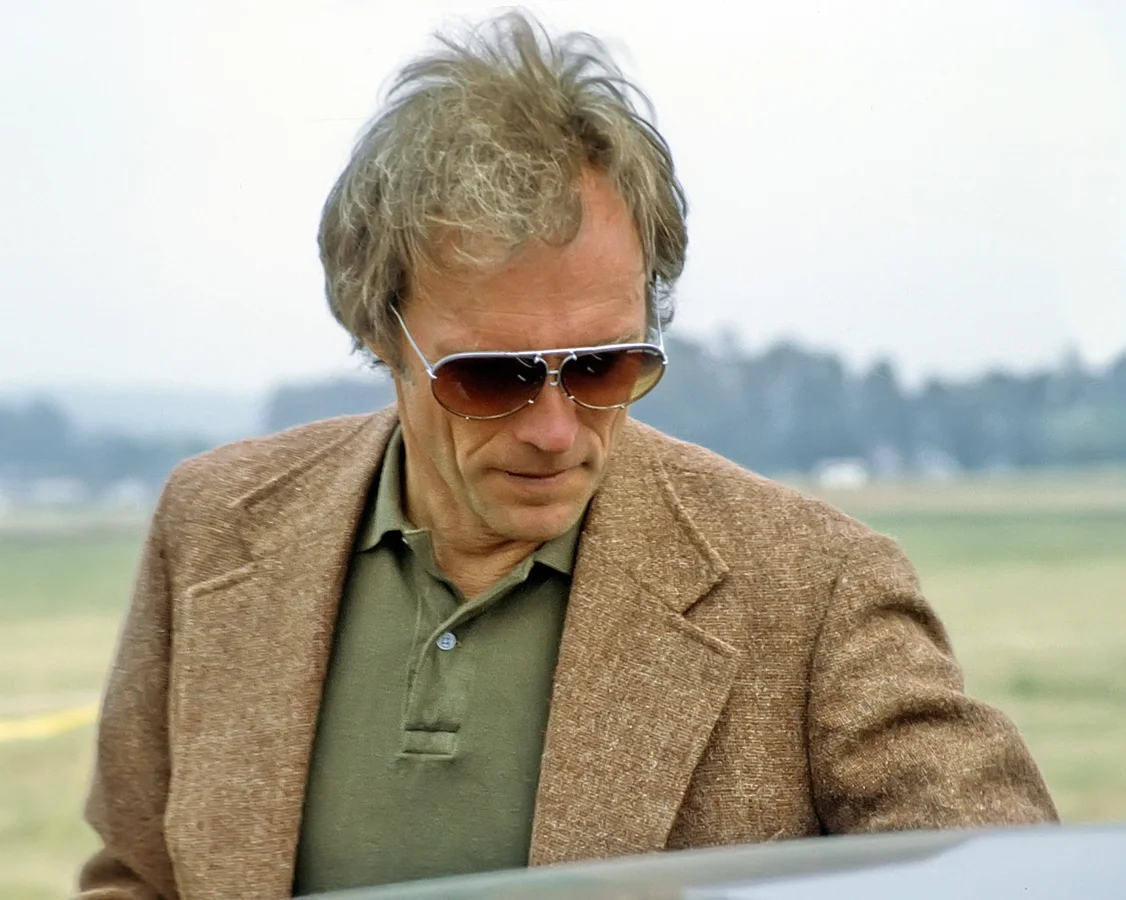
Director Kim Jee-woon, reflecting on the movie’s creative roots, shared:
“When I saw Sergio Leone’s films for the first time, I was amazed at how unconventional they were, and it gave me a fresh perspective. That’s what I wanted to try and give The Good, The Bad, The Weird… that unconventional feeling…Another thing that’s fresh about Sergio Leone’s Dollars trilogy was that everyone was a bad guy – even the main character. For me, it was so much more realistic.”
—Kim Jee-woon, Director
According to Kim, the unique realism and unpredictability of Leone’s stories provided both a creative spark and a stylistic blueprint. The ambiguity displayed by Eastwood as a slick bounty hunter with flexible ethics has inspired generations of filmmakers, and Kim’s film stands as a striking example of this influence manifesting in a new cultural context.
Song Kang-ho, Jung Woo-sung, and Lee Byung-hun Bring New Life to the Western Genre
The main cast of
“The Good, the Bad, the Weird”
assembled some of Korea’s most celebrated actors. Song Kang-ho, Jung Woo-sung, and Lee Byung-hun each reinterpreted the archetypes found in the original Western, infusing them with emotional complexity and Korean sensibilities. The story and characters were not simple parodies or copies, but rather inventive retellings that explored the genre through an East Asian lens.
The film’s most internationally recognized star, Lee Byung-hun, is now widely known as the enigmatic Hwang In-Ho from the Netflix hit Squid Game. Before his turn as a villain, Lee had a reputation for portraying noble or romantic characters, making his role as ‘the Bad’ his first great venture into darker territory on screen. His apprehension about this transformation was evident, as he detailed in an interview:
“Some of my Japanese fans were worried about that, because I’ve never done it before. They’ve been watching me play like good guys, nice, romantic, and so on. They were worried just before the screening, but luckily, they were really satisfied with what they saw.”
—Lee Byung-hun, Actor
Lee’s performance, distinguished by a striking presence in his black leather jacket and swaggering demeanor, won over both critics and fans. While Eastwood’s antihero operated in the wilderness of the American West, Lee’s character found shape in the turbulent frontiers of 1930s Manchuria, bringing entirely new energy to the classic role.
How Clint Eastwood’s Style Continues to Shape Global Cinema
Before his legendary status was cemented, Clint Eastwood worked in various minor films, including horror productions of varying quality, and broke through with his role on the television series Rawhide as a conventional hero. It was his collaboration with Sergio Leone, however, that revolutionized his career and the Western genre, introducing audiences to antiheroes defined less by virtue than by survival instincts and personal codes.
The enduring legacy of this shift can be seen not just in the American film industry but also in the distinctive adaptations and tributes found worldwide. Korean cinema’s engagement with the Western archetype—through the lens of
“The Good, the Bad, the Weird”
—proves the flexibility of Leone and Eastwood’s innovations. The movie enjoyed commercial and critical success in Korea and abroad, and has further elevated its stars, as demonstrated by Lee Byung-hun’s ongoing international presence.
Currently available for streaming on platforms like AMC+,
“The Good, the Bad, the Weird”
serves as a testament to the sweeping influence of the Western, and particularly the profound Clint Eastwood influence on Korean Western movie storytelling. As new generations of actors and directors reinterpret these stories, the cross-cultural dialogue started by Eastwood and Leone shows no sign of slowing, ensuring their work remains a touchstone for creativity and cinematic evolution.
