
Clint Eastwood‘s role in The Good the Bad and the Ugly has become legendary, but while he starred as the infamous Man with No Name, another character may have shaped the film‘s legacy even more. Set against the backdrop of the Spaghetti Western era and directed by Sergio Leone, the movie introduced viewers to a trio of striking figures whose interplay would redefine the genre.
Within the Dollars Trilogy—comprised of A Fistful of Dollars, For a Few Dollars More, and The Good, the Bad and the Ugly—Eastwood repeatedly portrayed the iconic Man with No Name. However, it was Eli Wallach’s interpretation of Tuco Ramirez that arguably elevated the third film to classic status, outshining even Eastwood’s performance and enriching the film’s narrative depth.
Why Tuco’s Depth Brought the Story to Life
While Eastwood’s silent, stoic gunslinger remains a signature presence, the character never stands alone as the film‘s core. Instead, Tuco emerges as the most complex and sympathetic persona among the three main figures: Tuco, Blondie (Eastwood), and Angel Eyes (Lee Van Cleef). Unlike Angel Eyes, the clear villain, or Blondie, whose motivations are often ambiguous and whose behavior is frequently self-serving, Tuco exhibits both vulnerability and ambition, making him the most relatable character in the landscape of the Wild West.
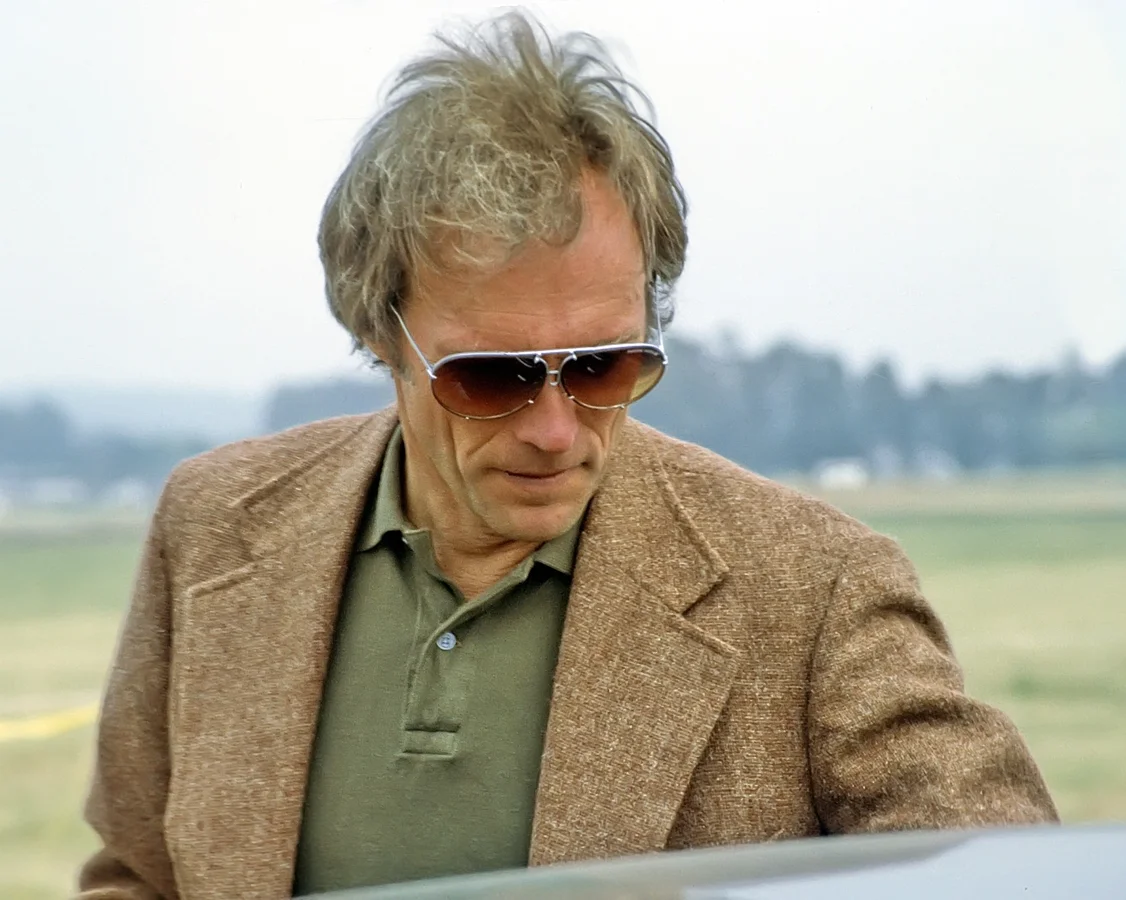
Tuco is driven by dreams of a better existence, striving to overcome his station, while the other two never really change or attempt to redeem themselves. The evolving relationship between Tuco and Blondie includes moments of betrayal, partnership, and mutual exploitation; notably, the duo conspires to inflate Tuco’s bounty, suggesting some of his infamous crimes may be exaggerated for profit. These layers only serve to humanize Tuco, distinguishing him from the others.
Despite his dubious reputation and the accusations of violence and murder that follow him, there is an undercurrent to Tuco’s actions that suggests a desire for honor or belonging. He frequently demonstrates surprise and hurt when Blondie cheats or betrays him, reinforcing his yearning for loyalty and fairness in a ruthless environment. This multidimensional portrayal is a hallmark of the spaghetti Western style, which often rejects traditional heroism, yet Tuco’s character arc brings unmatched emotional resonance to the narrative.
Even in a world devoid of true heroes, Tuco stands out as the film’s most interesting figure, thanks to his unpredictable blend of wit, desperation, and genuine humanity. The scope and depth he brings to the story surpass what’s typically expected of an antihero and left a profound impression on audiences and critics alike.
Tuco’s Unmatched Wit and Iconic Dialogue
Eli Wallach’s performance as Tuco reverberates with humor and raw expressiveness, contributing countless memorable lines that define not just his character, but the entire film. The sharp exchanges start early, setting the tone as Tuco exclaims,
Who the hell is that? One b*stard goes in and another comes out.
—Tuco (Eli Wallach), during a chaotic introduction, establishing Tuco’s irreverent charm and brash attitude.
Throughout The Good, the Bad and the Ugly, Tuco remains the film’s comic relief as well as a dramatic centerpiece. His improvisational humor is evident in the scene with Confederate soldiers, where his bravado shines despite his ignorance:
Hurrah for the Confederacy! HURRAH! Down with General Grant! Hurrah for General… What’s his name?
—Tuco (Eli Wallach), a moment illustrating Tuco’s quick wit and survival instinct, even when out of his depth.
These lines and many others not only provide levity but also reveal Tuco’s ability to adapt and thrive amid chaos. Even as his quick tongue could have spelled trouble, it instead endears him to the audience and cements his status as arguably the most entertaining character in the movie’s ensemble.
Eli Wallach’s Defining Performance
Although Eli Wallach’s acting career boasted numerous accolades, his role as Tuco in The Good, the Bad and the Ugly is widely regarded as his crowning achievement. Wallach had already won the BAFTA Award for Most Promising Newcomer to Film for Baby Doll and earned a Golden Globe nomination for Best Supporting Actor in the same film. He also delivered notable performances in The Magnificent Seven, The Godfather Part II, and How the West Was Won, earning industry recognition including a Primetime Emmy for The Poppy is Also a Flower and several Tony Awards for his work on stage.
Despite these honors, it was as Tuco—a character who bursts onto the screen in dramatic fashion and holds his ground against the legendary Man with No Name—where Wallach showcased his full range. From wild, unpredictable mischief to moments of unexpected tenderness, such as when Tuco pleads for Blondie’s life in a rare moment of vulnerability, Wallach infused his character with layers of emotion. This combination of toughness and sensitivity made Tuco more than a source of comic relief; he became a focal point for the film’s emotional stakes.
Wallach’s nuanced portrayal allowed Tuco to not just match, but in many ways surpass, Eastwood’s Blondie. The complexity, warmth, and depth Wallach brought to Tuco’s character have ensured that his performance remains vividly remembered and celebrated years after the film’s release.
The Cast’s Interplay and Enduring Legacy
The dynamic between Clint Eastwood, Eli Wallach, and Lee Van Cleef forms the foundation of The Good, the Bad and the Ugly’s enduring legacy. Each actor delivers a distinctive performance, but Wallach’s depiction of Tuco injects a vibrancy and humanity into the story that elevates the film beyond a conventional Western. Key to the film’s appeal is the unpredictable tension and hesitant camaraderie between its protagonists, with Wallach’s Tuco often acting as the heart of the trio.
The film’s narrative sophistication and memorable characters have secured its place as a hallmark of the Western genre. While Eastwood’s Man with No Name remains one of cinema’s most iconic figures, it is Tuco—shaped by Eli Wallach’s extraordinary talent—who fully realizes the potential of Sergio Leone’s vision. That contribution continues to influence the perception of both the film and Spaghetti Westerns at large, and affirms Clint Eastwood’s role in The Good the Bad and the Ugly as a landmark, yet not a solitary, achievement.
As audiences return to the film decade after decade, the layered performances of the cast, particularly Wallach’s as Tuco, reinforce why the Dollars Trilogy endures. The Good, the Bad and the Ugly would not hold the same power or allure without the presence of its most compelling outlaw, and Tuco’s place in cinematic history remains as secure as ever.
