
Denzel Washington comedy roles in Heart Condition are a notable departure from the intense, dramatic work for which he is celebrated, yet this 1990 film remains an underappreciated chapter in his career. The movie attempts a blend of supernatural and comedic themes, featuring Washington alongside Bob Hoskins in a story that never fully achieves the charm found in more successful buddy comedies of its era.
Alook at Washington’s Uncharacteristic Comic Performance
Although best known for his compelling performances in dramatic films, Washington has occasionally taken on comedic parts, including The Preacher’s Wife and 2 Guns. However, Heart Condition stands out as a pivotal attempt at humor, arriving immediately after his acclaimed role in Glory. In this film, Washington portrays Napoleon Stone, a smooth-talking lawyer who dies in a suspicious car accident, only for his heart to be transplanted into the body of Jack Mooney, an out-of-shape, prejudiced LAPD officer played by Hoskins.
This unusual premise forces Mooney to grapple with his ingrained biases when Stone’s ghost begins to haunt him, critiquing his unhealthy habits and urging him to investigate the circumstances of Stone’s untimely death. Spurred by their supernatural connection, the two form an uneasy partnership, with the story unfolding as they chase down the people responsible for Stone’s demise. As their journey progresses, Mooney is compelled to confront his racism, and what begins as reluctant cooperation slowly develops into an odd camaraderie.
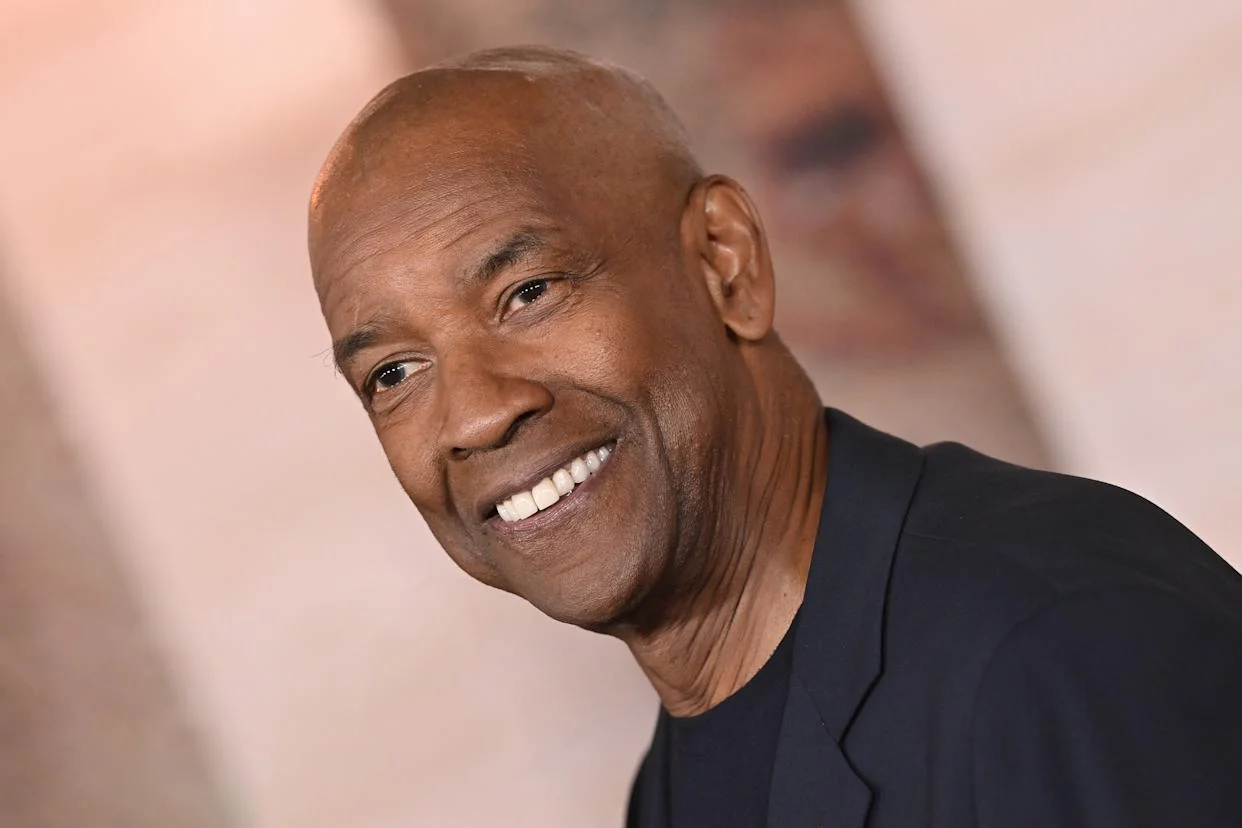
Heart Condition Struggled to Find Its Comic Groove
Set against the backdrop of heated exchanges—stemming partly from Stone’s romantic involvement with Mooney’s ex-girlfriend, Crystal Gerrity (Chloe Webb)—the film sought to explore heavyweight themes through the lens of comedy. However, despite the rich setup and veteran talent, Heart Condition is hampered by lowbrow jokes and comedic tropes typical of ghostly buddy films, never matching the energy of genre standouts like Ghostbusters or Beetlejuice.
Both leads largely stick to playing their roles seriously, which undermines the potential for the vibrant comedic spark seen in classics helmed by actors like Eddie Murphy or Mel Gibson. Ironically, Heart Condition debuted in the same year as Ghost, which captivated audiences with the strong dynamic between its main characters, Patrick Swayze and Whoopi Goldberg.
The Challenge of Tone and Racial Humor in the Film
Before Heart Condition, Washington’s only previous comic effort was 1981’s Carbon Copy, a film that wove racial comedy into its story with relative warmth. In contrast, Heart Condition’s humor often leans heavily on racial slurs and awkward moments, such as Washington urging Hoskins to act more like a Black man, or confrontations with gang members. Notably, the character of Stone was originally envisioned as a street pimp, but Washington, fresh from his Oscar win, successfully advocated for script changes—and for toning down the racially charged jokes—showing early signs of his commitment to thoughtful representation.
The film’s confusion over tone is evident, bouncing between comedic set pieces—like a montage of Stone instructing Mooney on how to impress Crystal—and cruder or darker moments, such as hospital gags or the sudden reveal that Crystal has a biracial child with Stone. The overreliance on familiar ghost comedy gimmicks, including scenes of Mooney appearing unhinged to bystanders as he converses with Stone’s ghost, contrasts sharply with sequences intended to elicit serious reflection on race and redemption.
The Film’s Fleeting Moments of Depth
In spite of its tonal inconsistencies, Heart Condition is not without affecting scenes. One standout moment occurs during an open house for Stone, where his mother, played by Ja’net DuBois, gently touches Mooney’s chest—now bearing Stone’s heart—as Stone watches on, visibly emotional. This heartfelt exchange hints at the film’s deeper themes of empathy and transformation, as it suggests the softening of Mooney’s long-held prejudices.
Still, most of the film struggles to reach the quality or impact that might be expected from talents like Washington and Hoskins. Persistent use of outdated humor and a lack of compelling chemistry between the leads hold Heart Condition back from rising above its genre.
The Aftermath and Continued Availability
While Heart Condition failed to carve out a place among beloved buddy comedies, its existence in Denzel Washington’s filmography highlights both the actor’s versatility and the challenges inherent in blending sensitive themes with humor. For viewers interested in exploring Washington’s less-discussed projects, the film remains available to rent on VOD services across the United States.
The legacy of Heart Condition offers a telling glimpse into Hollywood’s evolving standards for comedy and representation, illustrating the risks renowned actors face when stepping outside their familiar genres. As audiences and filmmakers continue to grapple with these issues, the film stands as a reminder of how critical both casting and tone are in tackling complex subjects through entertainment.
