
Henry Cavill should play more villain roles in Hollywood, as his performance in “Mission: Impossible—Fallout” demonstrates a talent for bringing powerful antagonists to the screen, challenging his familiar persona as a leading hero. Cavill’s shift from his noted heroic turns to a compelling villain spotlights hidden strengths in his acting, making the case for more bold casting choices in his future.
Cavill’s Unforgettable Turn as August Walker Opposite Tom Cruise
One of the most remarkable aspects of Cavill’s role in “Fallout” is how effectively he served as a foil to Tom Cruise’s Ethan Hunt. Their dynamic consistently bristled with conflict, as the two characters—despite starting as teammates—never managed to truly align, creating a combustible tension throughout the film. This friction heightened the on-screen chemistry, which was crucial to the film’s momentum and mystery. When Cavill’s August Walker is ultimately revealed as a double agent working with the Apostles, it casts his earlier actions in a sinister light, yet Cavill carefully avoided making the twist obvious from the outset.
Initially, the tension between Walker and Hunt comes across as typical agency rivalry between the Impossible Mission Force and the CIA. Still, what really elevated Cavill’s portrayal was his ability to project both the charm of a standard action hero and a lurking menace. This blend made the character especially effective, demonstrating why “Fallout” is widely regarded as a standout entry in the franchise.
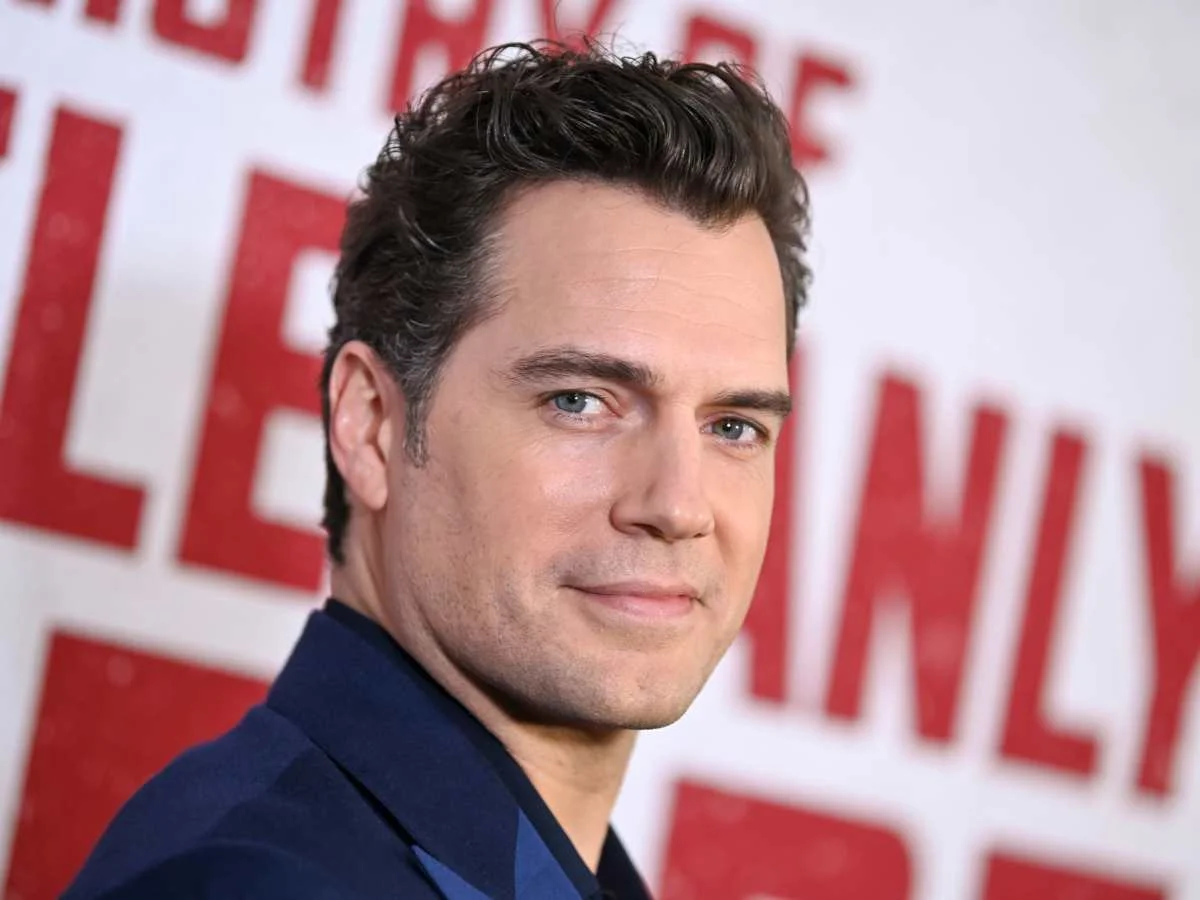
Reflecting on Cavill’s Superhero Image—Does He Belong with the Good Guys?
While Cavill certainly looked the part of Superman in Zack Snyder‘s “Man of Steel” and
“Batman v Superman: Dawn of Justice,”
he was never fully able to embody the charm that defines the character. Many viewers felt his Superman lacked the warmth and optimism expected from the role, instead presenting as more withdrawn and brooding—a tone reminiscent of Batman. Although scripts and direction can shape performances, Cavill’s take didn’t quite capture Superman’s more uplifting and altruistic traits. The contrast between his hero roles and his performance in “Fallout” suggests he might be even more effective as an antagonist.
This notion is further supported by Cavill’s performance in Guy Ritchie’s adaptation of “The Man From U.N.C.L.E.” as Napoleon Solo. Despite looking the part, he struggled to bring the same wit and charm as Robert Vaughn’s original portrayal, which are essential to the character. However, as August Walker in “Fallout,” Cavill seamlessly slipped into the villainous role, making the character’s moral ambiguity both believable and intriguing. This shift suggests playing villains may align more naturally with Cavill’s strengths as an actor.
Cavill’s Future Should Include More Antagonist Roles
Throughout his career, Cavill has largely been cast as a protagonist or the traditional lead, but his standout performance in “Fallout” raises questions about whether this is the best lane for him. He is currently set to headline a new “Highlander” film from director Chad Stahelski, again taking a hero’s position as Connor MacLeod. Whether this move will be a turning point or a repetition of previous patterns remains to be seen. Given his convincing performance as a villain, the prospect of Cavill embracing more malevolent roles may offer more rewarding opportunities for both him and his audiences.
In another ambitious project, Cavill is developing a live-action television adaptation of “Warhammer 40,000” at Amazon MGM Studios. The Warhammer universe is known for its complex, morally ambiguous characters, lacking clear-cut heroes like Superman. With Cavill attached to star, this setting presents an ideal opportunity for him to step fully into a villainous role. Rather than portraying one of the fractious yet fundamentally noble Primarchs such as Roboute Guilliman or Lion El’Johnson, Cavill would arguably excel as a corrupt figure like Fulgrim, a traitorous Primarch who falls from grace to become the Daemon Prince of Slaanesh. This role would allow Cavill to explore deep character shifts, from trusted leader to twisted antagonist, showcasing his range over multiple seasons.
In portraying a character like Fulgrim, Cavill could portray both leadership and profound corruption, affording him a dynamic character arc rich with emotional and psychological complexity. On-screen rivalries, such as his tense relationship with Tom Cruise’s Ethan Hunt, have clearly demonstrated Cavill’s ability to navigate the layered dynamics of antagonism. His willingness to explore darker characters could mark a new chapter in his career, one that values complexity over convention.
Historically, Hollywood often typecasts actors in heroic roles if they possess the physicality and presence Cavill brings to the screen. Yet, “Mission: Impossible—Fallout” has shown there is no reason to confine him to the part of the leading man. Although audiences may associate him with Superman and other heroic characters, Cavill’s nuanced portrayal of villains sets him apart from his peers and points to an exciting direction for casting directors and producers seeking memorable antagonists for future blockbusters.
Perspective on Upcoming Superman Reboots and Franchise Expansion
As Cavill’s career takes new turns, it is worth noting that the Superman franchise continues without him, with David Corenswet now cast as Clark Kent, Rachel Brosnahan as Lois Lane, and Nicholas Hoult as Lex Luthor, among others. Their stories will explore the titular hero reconciling his alien heritage with human experiences, aspiring to embody ideals such as truth and justice even when society questions their relevance.
For Cavill, these developments could serve as a catalyst to leave his superhero days behind and embrace roles that allow more creative freedom, complexity, and risk-taking—a shift that builds on the foundation he laid in “Fallout” as August Walker, and capitalizes on the intensity and emotional intricacies that define his best performances. If he pursues more nuanced antagonists, Henry Cavill has the potential to redefine Hollywood villainy and set a new standard for what makes a bad guy unforgettable.
