
Kevin Costner embracing new challenges instead of retirement has become a defining part of his approach at age 70, while Taylor Sheridan, the driving force behind Yellowstone, is contemplating a slower pace after years of creative output. This contrast highlights not just their personal philosophies, but a broader shift in how legacy and ambition play out at pivotal moments in celebrated careers.
Costner’s Relentless Drive to Keep Creating
Kevin Costner’s energy and dedication to film remain undiminished as he moves into his seventies, and he has made it clear that stepping away isn’t part of his plan. Asked about his outlook on the end of his professional journey, Costner shared his mindset:
“I don’t even think about retiring, because I’ll just move to the next thing that captures my imagination.”
—Kevin Costner, Actor
This sentiment is reflected in his career choices. Rather than waiting for new opportunities, Costner actively pursues them, constantly expanding his creative horizons. His filmography reads like a roadmap of American cinema, with iconic roles in The Bodyguard, Field of Dreams, JFK, Robin Hood, and, most recently, his powerful portrayal as John Dutton in Yellowstone. Rather than retreating from the spotlight, Costner has taken on even greater responsibilities by writing, directing, and producing his next major project, Horizon: An American Saga, demonstrating a drive that rivals his earliest ambitions.
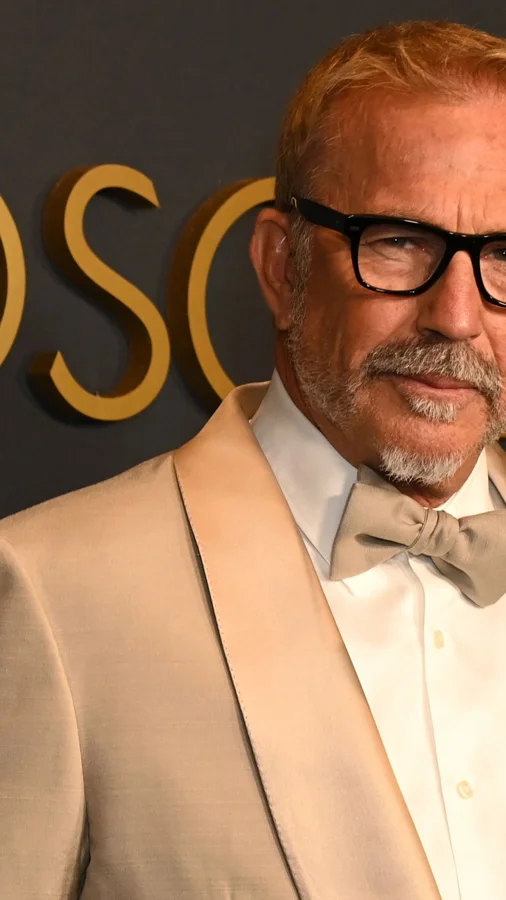
Costner’s approach is fueled by a deep curiosity and a desire to keep moving forward. He explained further:
“I’ve so enjoyed life and imagining what I can do, what can I be about and what makes a difference,” continues Costner. “Not only to me, but to other people. What just satisfies me?”
—Kevin Costner, Actor
With this outlook, Costner isn’t simply prolonging his career for its own sake. He is actively pursuing the satisfaction that comes from meaningful work, both for himself and for his audience. His ambition is not limited by age, but rather intensified by the awareness that time is precious and there are more dreams yet to achieve.
Sheridan’s Search for Balance After Years of Relentless Output
The trajectory of Taylor Sheridan’s career stands in contrast to Costner’s approach. Sheridan emerged from a background as a supporting actor to shape some of television’s most engaging stories, becoming a powerhouse with Yellowstone, Lioness, Landman, Tulsa King, 1883, and 1923. But after building such a formidable universe, Sheridan has publicly acknowledged the toll that this creative marathon has taken on him. He admitted in a 2022 interview:
“This volume of work is not sustainable for a long period of time.”
—Taylor Sheridan, Writer/Producer
Sheridan recognizes that his intense creative effort can’t continue indefinitely. He has chosen to push himself hard now, while he feels capable, and openly wonders whether he wants to be as involved when he reaches his sixtieth or seventieth birthday. He revealed:
“I don’t necessarily want to be doing this when I’m 70. I don’t know that I want to be doing it when I’m 60. I’d rather work real hard to do it now.”
—Taylor Sheridan, Writer/Producer
This drive to maximize his creative contributions before stepping back is a deliberate choice. At 54, Sheridan is considering how to transition to a more peaceful, less demanding life after years of shaping the modern Western television landscape. His comments underscore the pressures that come with managing multiple high-profile projects, and the personal cost of maintaining such momentum.
Philosophies Collide: Energy Versus Rest
The diverging perspectives of Kevin Costner and Taylor Sheridan reflect more than individual career trajectories—they reveal two distinct interpretations of legacy and fulfillment. Costner’s stance is one of continued motion, fueled by curiosity, satisfaction, and a refusal to let age dictate limitations. Sheridan, by contrast, seeks relief from the constant demands of his creative empire, aspiring to simplify and reclaim balance in his life.
This philosophical divide has reportedly created some tension, marked by different ideas about what it means to finish strong. While Costner continues charging ahead, eager for uncharted creative territory, Sheridan contemplates a much-needed rest, signaling a changing of the guard in the world of Western storytelling.
Although their paths differ, both men are writing new chapters as they look to the horizon. For Costner, retirement is not a consideration, and his focus remains on what new challenges lie ahead. Sheridan, meanwhile, is planning for a future less governed by the relentless pace of production, preferring to front-load the effort and retreat to a quieter space when the time feels right.
As these leading figures of television and film redefine the terms of artistic legacy, their decisions will influence how audiences and creators alike think about ambition, endurance, and the pursuit of purpose. The evolving stories of Kevin Costner and Taylor Sheridan underscore that there is no single way to answer the question of when to slow down or step aside—each script is written anew by those with the imagination and will to shape their own ending.
