
Nick Offerman joins star-studded Smurfs cast as Ken, bringing together a powerhouse lineup for Chris Miller’s animated retelling set to release on July 18, 2025. With Offerman voicing Ken, Papa Smurf’s enigmatic brother, and Rihanna producing as well as lending her voice and music, the reboot aims to reimagine the iconic Smurfs universe, drawing major talents like John Goodman, Kurt Russell, and Hannah Waddingham to the project.
The new Smurfs film makes a return to the origins of the beloved blue characters with the Smurf Village embarking on a daring rescue mission to the real world. When Papa Smurf, voiced by John Goodman, is kidnapped by the villainous wizards Razamel and Gargamel, portrayed by J.P. Karliak, it’s up to Smurfette and the rest of the villagers to save him. The reboot is set apart by its expansive narrative and scale, bringing in a large ensemble cast with nostalgic and fresh voices.
Chris Miller reflects on his animation roots and innovative storytelling
Director Chris Miller, known for his work on DreamWorks’ “Shrek the Third” and “Puss in Boots,” is helming what he calls a “strange and weird and wonderful” retelling of the Smurfs. In his discussion around the boundaries of animated storytelling, Miller credits early inspirations such as “Liquid Television,” an anthology series that exposed him to unconventional, raw, and immediate animation experiences. According to Miller, these formative creations offered him a launchpad during college, giving a space for unique short films at a time when outlets were limited. He describes the period as an “awesome” time where timing and limited access played a critical role in creative exposure.
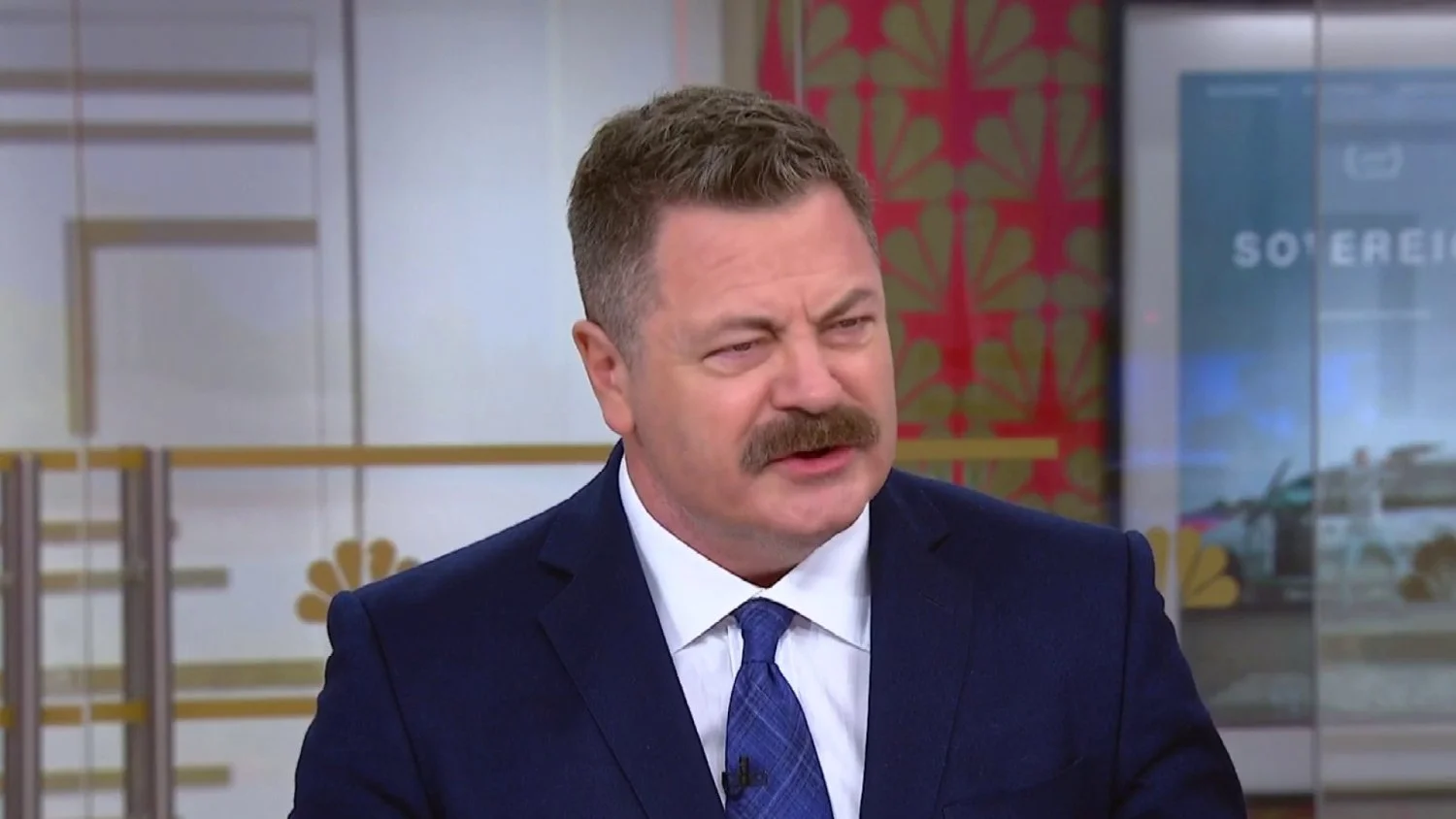
Reflecting on those years, Miller recalls how “Liquid Television” inspired both him and others:
What did I just see? Will I ever see that again?
—Chris Miller, Director. He credits the scarcity and selectiveness of animated shorts then, noting that much of the input came from colleges like CalArts, as well as Canadian and French animators. Even as today’s animation world offers vast outlets through platforms like YouTube, Miller sees a persistent challenge in identifying quality content amidst a deluge of work.
Miller suggests that the essence of great animation lies in curation, much like the model of “Liquid Television,” where only the best were showcased and championed. His journey was shaped when figures like Mike and Spike from the animation festival scene helped him complete early work, underlining the importance of mentorship and collaborative vehicles for new talent. For Miller, modern opportunities abound, but the industry still wrestles with finding frameworks to help the best content rise above the noise.
Rihanna deeply influences creative vision, music, and character design
An unmistakable highlight for the film is Rihanna’s intense involvement as Smurfette—both as a producer and as a vocal performer in the soundtrack produced in partnership with Roc Nation. Rihanna delivers two original songs for the movie’s soundtrack, with one integrated into the core of the story and another near the climax. The process of shaping the film’s musical direction demanded lengthy writing sessions and explorations into distinct sounds.
“Henry Jackman is our composer, so Henry crushed the score. But it’s about two [songs],”
Miller notes, underscoring Rihanna and Roc Nation’s pivotal roles in setting the film’s tone.
Miller describes Rihanna’s approach to her performance as distinguished by detail and intentionality:
She’s just hyper-specific about how she’s going to deliver something.
—Chris Miller, Director. Rihanna’s unique vocal quality, described as smoky and instantly recognizable, lends Smurfette both humor and otherworldliness in spoken and sung form. Miller emphasizes that Rihanna strove to avoid creating a
“cookie-cutter, standardized version of a ballad,”
instead tailoring her music to the film’s distinct needs. Beyond her vocals, Rihanna actively shaped the design of Smurfette, collaborating throughout the year-long journey of refining the character’s look. Much of this effort involved subtle tweaks to ensure that Smurfette’s appearance paid homage to Peyo’s original, while also echoing Rihanna’s own creative identity.
The collaboration extended to visual storytelling, with Rihanna participating extensively in the details of Smurfette’s hair and facial features. As Miller recounts, the process saw many iterations before the team, including Rihanna, agreed that the original Peyo design—fine-tuned with minor modern touches—best reflected the heart of the character. He credits Rihanna for her keen eye and commitment to authenticity in both performance and production.
Her involvement as a producer went beyond the ceremonial, engaging deeply in the art, music, and narrative construction. Miller’s account of working with her reveals a hands-on collaboration across different stages of production—a partnership that he describes as both inspiring and integral to the project.
Blending animation with live action to expand the Smurfs universe
In this bold reinterpretation, Miller pushes beyond classic animated boundaries, taking the Smurfs from their beloved village into the sprawling complexity of the real world. The transition is rooted in storytelling needs—the quest to rescue Papa Smurf demands that the Smurfs step out of their safe, colorful home. For Miller, the juxtaposition of their warm, lush environment with the live-action city is central to making the adventure feel new and exciting, helping the Smurfs appear truly integrated rather than out of place.
This creative decision allows the narrative and visuals to evolve, particularly in a “bonkers” third act that explores new animation styles and interpretations of the Smurfs.
“There’s a whole dimensional thing and a lot of different styles of animation, actually, that we tackle later on. There are all kinds of different interpretations of Smurfs in Act Three,”
explains Miller, highlighting the expansive ambitions of the project. The multi-layered visual and narrative techniques aim to immerse viewers in a cinematic journey that feels both nostalgic and innovative.
Offerman’s Ken introduces a new family dynamic and backstory
The film features Nick Offerman as Ken, a significant addition to Smurfs lore. Ken, revealed to be Papa Smurf’s brother—voiced by John Goodman—brings deeper emotional stakes and latent history to the story. Their estrangement stems from formative trauma and a dramatic falling out, both having served as protectors of the universe on a larger scale before settling into their roles. This “origin story part” uncovers hidden connections and sets up Ken’s arc as a crucial figure in the mission to reclaim Papa Smurf from the alliance of wizards.
The dynamic between Ken and Papa Smurf adds fresh layers to the familiar world of Smurfs, expanding on themes of family, conflict, and reconciliation. Offerman’s portrayal of Ken is teased as central to the storyline’s resolution and the Smurfs’ broader purpose of maintaining peace. Miller hints at this backstory being featured early in the film, providing viewers with a new lens through which to understand the blue heroes’ mystical origins.
Many cast members, including Offerman, share a genuine childhood connection to the Smurfs. Miller recalls these personal stories as a recurring theme during casting sessions:
The Smurfs meant a lot to me when I was a young kid.
—Nick Offerman, Voice of Ken. Others echoed similar sentiments:
Oh, yeah, I loved that show in the ‘80s.
Yeah, I had those comic books.
and
It was a strange and weird and wonderful thing.
These authentic emotional ties helped attract a remarkable range of talent, with each performer bringing unique nostalgia and affection for the project.
Building a high-profile ensemble cast for a new generation
Chris Miller’s Smurfs boasts one of the most extensive and impressive voice casts assembled for an animated film in recent years. Alongside Rihanna and Nick Offerman, John Goodman, Kurt Russell, Hannah Waddingham, Natasha Lyonne, and Octavia Spencer voice key characters, with Jimmy Kimmel and James Corden taking on unusual cameo roles. This collection of actors, many of whom harbor personal childhood memories of the Smurfs, contributes to the film’s deep sense of legacy and community.
Kimmel’s appearance is described by Miller as a small role positioned within the dimension-spanning third act. Miller shares that the scale of the cast prompts logistical challenges and opportunities, especially given the variety of celebrities involved. The appeal of the project among parents and those who grew up with the original show led to broad participation: the emotional pull and nostalgia associated with Smurfs serves as a major factor for many actors’ decisions to sign on.
Miller notes the excitement and intense efforts required to facilitate recording sessions for such a vast group and references the benefit of having an all-star cast available for talk show promotion, even as he jokes that the roster is so large “there aren’t enough talk shows.”
Miller’s approach to reviving and reinventing classic properties
Besides rejuvenating the Smurfs for today’s audiences, Miller expresses interest in updating additional vintage properties. Without divulging specific titles, he shares an eagerness to reinvigorate other beloved franchises:
That one needs to come back. That thing needs a reinvention.
—Chris Miller, Director. Miller signals a deep respect for the original material, emphasizing the importance of timing and cultural context in revitalizing old favorites rather than simply modernizing or remastering them for technical reasons.
While open to remastering and exploring new technology for animated classics, Miller believes certain films should remain time capsules, capturing their era’s essence. He refers to “Toy Story” as an example, advising that while remakes can be attempted, some originals should be “left alone” to preserve their cultural and artistic value. This philosophy shapes his approach to bringing the Smurfs and other properties to new generations, focusing on meaningful adaptation over mere technological upgrades.
Smurfs reboot introduces new characters and honors legacy voices
The voice cast for the film features world-renowned names from music, comedy, and dramatic arts. Rihanna stars as Smurfette, leading the group and anchoring the story’s emotional power. Nick Offerman introduces Ken, offering depth and mystery to the Smurfs’ family history. John Goodman embodies Papa Smurf, while J.P. Karliak brings to life both Gargamel and Razamel, forming the film’s central antagonistic alliance. James Corden and Jimmy Kimmel round out the ensemble with unique supporting roles. Each casting choice aims to build bridges between past and present, old fans and new audiences.
The inclusion of talents like Kurt Russell, Hannah Waddingham, Natasha Lyonne, and Octavia Spencer adds rich flair to the reboot’s ensemble. Their involvement, like Offerman’s, is inspired by personal memories of the Smurfs and a shared interest in revitalizing the world for contemporary viewers. The blended roster draws on influences from the original ’80s cartoon, Peyo’s comics, and classic Hanna-Barbera traditions, while injecting fresh energy into a recognized global brand.
What’s next for the Smurfs franchise and the future of animation
With its July 2025 release set to reintroduce the Smurfs in theaters, the reboot stands to leave a mark for its innovative hybrid of original and modern storytelling. Miller’s direction, paired with Rihanna’s multi-faceted performance and Offerman’s pivotal role, positions the project as a major event in both animation and pop culture. The film’s commitment to honoring its origins—while expanding character relationships, narrative depth, and visual ambition—signals the Smurfs’ enduring relevance and adaptability.
Industry observers and fans alike await the impact of Miller’s Smurfs, considering its ambitious genre-blending and celebrity-driven approach as a possible blueprint for future adaptations of classic properties. The movie’s development journey, collaborative spirit, and embrace of artists from multiple fields reflect the evolving landscape of animation, setting a benchmark for the reinvention of legacy content in the modern era.
