
Ridley Scott blames Harrison Ford for Blade Runner voiceover problems, stating the actor’s flat delivery and lack of enthusiasm led to the infamous narration in the 1982 sci-fi classic, which holds an 89% rating but has continued to divide audiences. The director’s candid comments have reignited discussion about the complicated history behind Blade Runner’s various cuts and the creative friction between Scott, Ford, and the film’s studio.
Dissecting Blade Runner’s Infamous Theatrical Narration
The original theatrical version of Blade Runner released in 1982 became notorious for its awkward voiceover supplied by Harrison Ford. Those who watched this edition heard Ford’s narration, which begins just under the nine-minute mark as Rick Deckard surveys a dystopian cityscape. The scene kicks off with Deckard gazing at a blimp advertising opportunities beyond Earth, then commenting,
they don’t advertise for killers in a newspaper
—Harrison Ford, Actor. This is just one of thirteen separate instances where narration interrupts the film’s visual storytelling, each time delivered in a manner that many found uninspired.
Fans and critics widely agree that the narration did not enhance the story, instead diluting the film’s stylistic atmosphere. The voiceovers often re-stated information already clear from the film’s visuals, leading many to believe they were mandated by studio executives unsure if audiences would follow the plot without it. This heavy-handed approach left fans dissatisfied, with growing appreciation over time for later versions of Blade Runner—particularly the Final Cut, which removes all narration and is seen as more immersive.
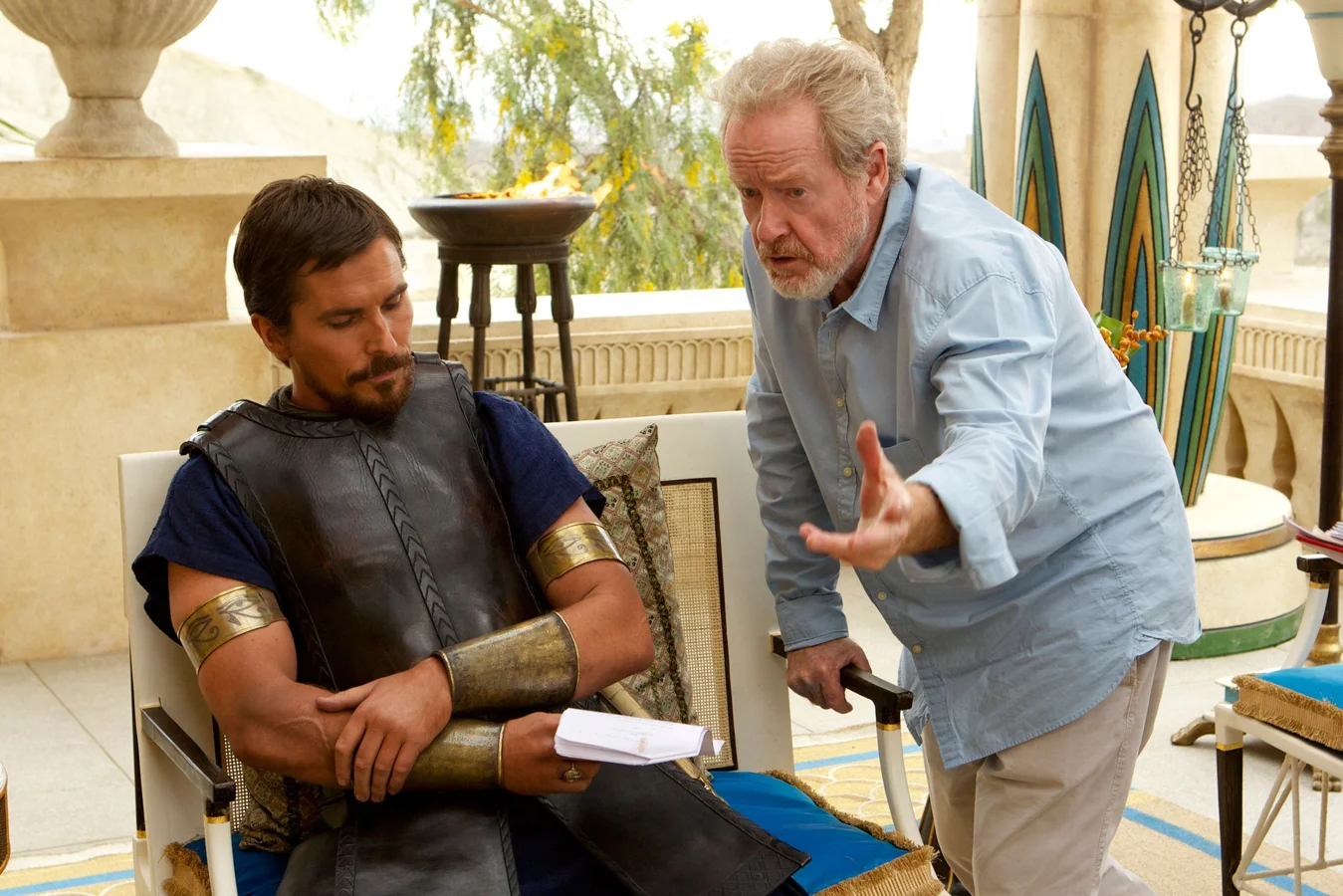
Ridley Scott’s Frustration Toward Harrison Ford’s Delivery
With ongoing controversies surrounding the theatrical cut, many questioned how a highly regarded actor like Harrison Ford could deliver such lackluster narration. Ridley Scott addressed these concerns directly in an interview with Collider, openly admitting his disappointment with the outcome and the circumstances leading to it.
Scott’s frustration centered on the mismatch between the intended tone of Blade Runner and the execution of the theatrical narration. The director explained that while he initially considered adding a voiceover, he grew to
“hate what the studio forced into the final cut.”
His personal preference leaned toward the version that stays ambiguous until the end, as he explained,
I know the version I like, which was the one that ends in the elevator shaft and the one that has no going off to this beautiful mountain range. I thought the voiceover was give or take.
—Ridley Scott, Director.
Scott specified that Ford’s lack of passion was evident in the recorded narration.
“Harrison [Ford] didn’t enjoy doing it, so I think he was psychologically resistant to it, so it never really landed. Harrison is perfectly capable of doing it with his great voice.”
—Ridley Scott, Director. Scott felt Ford approached the assignment reluctantly, which resulted in a reading that sounded disengaged and uninspired. His description of Ford being “psychologically resistant” highlights the tension between actor and director, as well as the challenging studio atmosphere surrounding the film’s post-production.
According to Scott, although the studio’s insistence on voiceover played a significant role, Ford’s indifference amplified the awkwardness, making the film’s narration feel forced rather than compelling. Ford’s lack of enthusiasm arguably contributed to audience disappointment and the subsequent demand for narrativeless versions, now considered cinematic standards.
The Changing Reputation of Blade Runner
The backlash to the original narration became a turning point in Blade Runner’s enduring legacy. The voiceover controversy not only influenced opinions on Harrison Ford and Ridley Scott’s creative relationship, but also shaped how the film was re-released and re-edited over the years. Fans, critics, and new viewers consistently point to the Final Cut and other alternative edits as superior experiences, celebrating the restored mood and visual storytelling in the absence of narration.
The tense history behind Ridley Scott blames Harrison Ford for Blade Runner voiceover has become an iconic example of the challenges faced in studio-driven projects, where creative visions can clash with commercial concerns. As Blade Runner continues to stream on various platforms like Prime Video in the US, the film’s complex past remains a key part of its cult status, inviting both old and new audiences to explore the many facets of its troubled production and lasting impact.
