
James Gunn critiques Nolan’s Batman while shaping DCU, offering sharp opinions about earlier Batman films even as he prepares his own bold vision for the franchise. As Gunn guides the incoming DCU, the impact of Nolan’s approach remains a defining point—raising questions about what dark depth Gunn might adopt or reject in his reimagined Gotham and beyond.
James Gunn Challenges the Legacy of Nolan and Burton’s Batman
When Christopher Nolan’s Batman Begins debuted in 2005, it redefined not only the Caped Crusader but superhero cinema overall, marking a significant shift with its grim realism and psychological layers. As the trilogy progressed, audiences saw a Gotham that felt as perilous as it was familiar, anchored by Heath Ledger’s haunting portrayal of the Joker and complex, character-driven storytelling. The films’ influence endures, especially as the 20th anniversary comes into focus for fans and critics alike.
James Gunn, now leading DC Studios, was previously outspoken in his opinions on both Nolan’s and Tim Burton’s takes on Batman. On social platforms, Gunn compared Nolan’s Batman Begins to Burton’s 1989 Batman, criticizing both but reserving particular disappointment for Burton’s work, which he reportedly deemed as “awful.” Gunn regarded Nolan’s films as superior to Burton’s but said they still fell short of being truly great, although he acknowledged that Nolan’s adaptations were much closer to the spirit of the comics by legends like Frank Miller and Alan Moore.
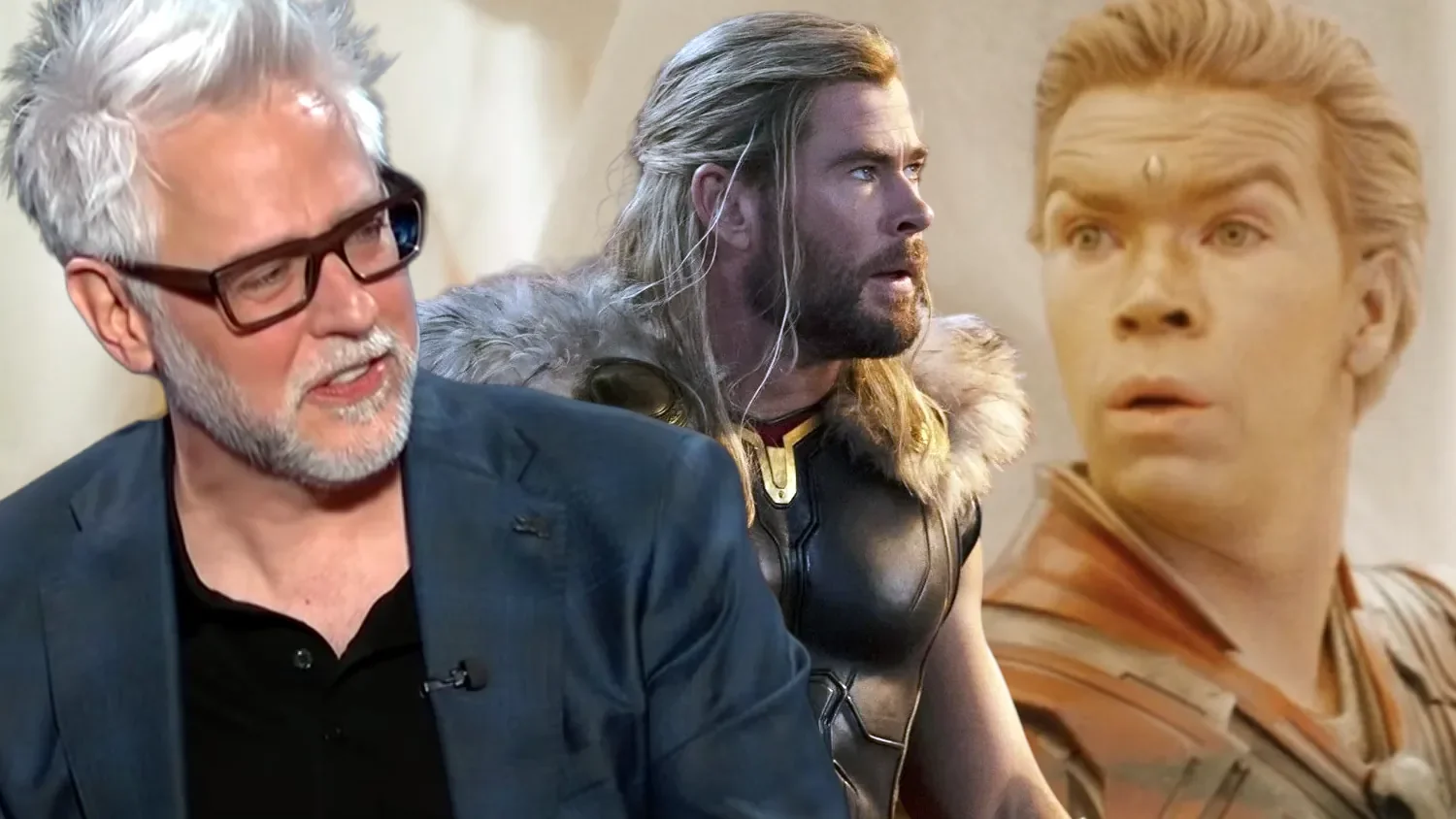
Gunn argued against the popularity of “darkness” as a mark of quality, suggesting that simply being the first or the darkest interpretation doesn’t guarantee a film’s rank among the best. This hard-edged critique set Gunn apart from mere fans of the older movies, and it has influenced expectations as he takes the reins of the DCU. The debate now centers on whether Gunn’s vision will entirely turn away from the psychological realism Nolan helped establish or embrace select aspects that elevated past Batman films.
Nolan’s Influence Looms Over Gunn’s DCU Vision
Even as Gunn asserts his fresh approach, the shadow of Nolan’s Batman trilogy remains impossible to ignore within superhero storytelling. Nolan crafted a grounded, gritty Gotham devoid of the fantastical, deliberately excluding elements such as aliens, magic, or overt superhero fantasy in favor of real-world resonance. Gunn appears determined to take DC in a new direction, aiming to showcase the universe’s broader, stranger aspects and introduce elements missing from Nolan’s universe.
Early glimpses of Gunn’s work, visible in recent Superman trailers and teasers, indicate a tonal shift from Nolan’s realism to a celebration of DC’s iconic quirks, including superpowered allies, interstellar threats, and magic. This new vision is expected to come into focus with The Brave and the Bold, an upcoming film prominently featuring Robin, alongside a range of more fantastic and youthful characters absent from Nolan’s somber Gotham.
Despite his strong critiques, Gunn may still be influenced by some elements that defined Nolan’s work, particularly the psychological nuance and contemplation that made the trilogy stand out. Nolan, especially with The Dark Knight Rises, pushed the envelope for what superhero cinema could achieve narratively and emotionally, proving that these stories could be intellectually stimulating and character-driven.
Gunn faces the challenge of honoring the depth Nolan brought to Batman—character arcs, internal conflict, and high-stakes moral dilemmas—without merely following the same path or duplicating the trilogy’s bleakness. Gunn’s stance as a critic and as a new creator suggests his version of Batman will lean more heavily into the comic book source, infusing the DCU with heightened fantasy while seeking to retain powerful storytelling and character development.
The Road Ahead: Charting a Distinct Future for Batman in the DCU
Ultimately, Gunn stands at a crossroads between the legacy of Nolan’s gritty realism and the opportunity to rejuvenate the DC Universe with color, magic, and a return to fantasy. His own words set a high bar: he recognizes the significance of Nolan’s impact, but appears committed to evolving the Batman narrative for a new generation. Whether he can merge compelling depth with the bold, expansive world of DC’s comics remains unanswered, but anticipation continues to build.
The ongoing debate about James Gunn critiques Nolan’s Batman while shaping DCU points to the franchise’s enduring appeal and the shifting tastes of audiences hungry for both psychological sophistication and classic superhero wonder. As fans wait for Batman’s next chapter, the balance between honoring established artistry and innovating within the DC Universe will shape how both critics and newcomers judge the success of Gunn’s vision and the evolving legacy of Gotham’s Dark Knight.
