
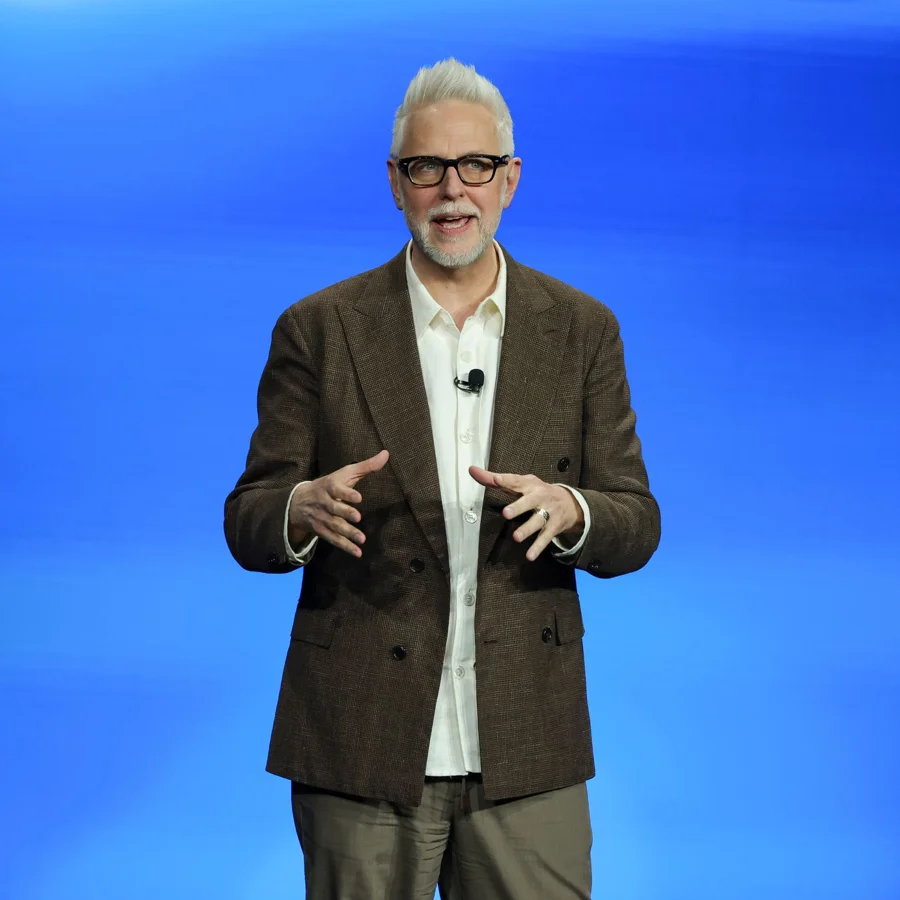
James Gunn on Marvel’s hype and DCU strategy is again in the spotlight, after Gunn voiced sharp criticism toward Marvel’s recent struggles and outlined his own method for avoiding similar missteps within the DCU. Speaking with Rolling Stone, Gunn blamed Disney’s push for excessive output as the reason for Marvel’s decline and claimed a fresh approach is required to repair audience trust.
Gunn’s comments come at a critical time for Warner Bros. and its superhero universe, as anticipation for the upcoming Superman film grows. While keeping a close eye on development and refusing to advance any project without a strong script, Gunn has set out to steer the DCU clear of the pitfalls that led to Marvel’s current challenges. He addressed the issue directly:
That wasn’t fair. It wasn’t right. And it killed them.
—James Gunn, Director
Marvel’s Struggle With Excessive Hype and Franchise Fatigue
Marvel fans have noticed the wear and tear from an overloaded release schedule, but according to Gunn, there’s another pressing concern: the relentless hype that surrounds each new title. Superman, poised to be the DCU’s flagship film, bears the weight of expectations from a studio reportedly contending with major financial distress. Despite Gunn’s efforts to temper expectations, the sheer need for a breakout hit has led to considerable pressure on the film and its creative team.
On the Marvel side, the stakes are different. Money remains abundant, but audience enthusiasm is plummeting. Each release—whether a film or a Disney+ show—is promoted as the crucial ‘return to form,’ but these projects are increasingly foundering beneath the weight of manufactured excitement. Even when Deadpool & Wolverine achieved blockbuster box office results, it raised doubts over whether it truly signaled a franchise revival or simply served as a one-off, nostalgia-driven hit referencing earlier Fox-era characters and properties like Blade. The films following Deadpool & Wolverine, such as Brave New World and Thunderbolts*, failed to ignite mass interest, with the latter enjoying critical success but limited commercial impact.
Danger of Outlandish Claims and Marketing Missteps
Marvel’s aggressive promotional tactics have led to sky-high promises, especially evident as the studio looks to future releases. Enthusiasm is running high for Fantastic Four: First Steps, but public statements from cast members have raised skepticism. Paul Walter Hauser claimed:
I believe that this will go down in history as one of the ones that started a new tide of successful storytelling for the company,
—Paul Walter Hauser, Actor. He went further, saying:
Sort of in the same way that Guardians of the Galaxy and Black Panther hit. They both hit in a certain way. I believe we are about to hit.
—Paul Walter Hauser, Actor
Hauser’s attempt to align the upcoming Fantastic Four with culturally significant milestones like Black Panther underscores the risky pattern of over-promising. The industry has seen this before, such as with The Falcon & The Winter Soldier, which was heavily marketed as the next benchmark following Captain America: The Winter Soldier, but ultimately did not meet the outsized expectations set for it. There is growing doubt whether hyping projects to this extreme serves anyone well, with the suggestion that a strategy of underpromising and overdelivering may be more effective.
Questionable Comparisons and the Impact on Audience Perception
Further complicating matters, Marvel’s tendency to inflate expectations continues with new series comparisons. Recently, Ironheart executive producer Sev Ohanian explained the show‘s direction by saying:
She kind of breaks bad in the show,
—Sev Ohanian, Executive Producer. He elaborated:
And we go to some uncomfortable places for audiences that I think will be really fun to explore, almost in the vein of Walter White from Breaking Bad or Tony Soprano.
—Sev Ohanian, Executive Producer
Such bold connections to legendary TV antiheroes like Walter White and Tony Soprano have some observers questioning both the logic and the marketing wisdom of setting such challenging targets. The move suggests a disconnect between the studio‘s narrative and the practical realities of managing fan expectation, fueling confusion and exasperation as audiences anticipate each new series or film.
Gunn’s Approach and What Lies Ahead for the DCU and Marvel
Amid these tensions, Gunn’s decision to emphasize script quality and strategic pacing stands in contrast to Marvel’s more aggressive, hype-driven approach. By prioritizing substance over spectacle, Gunn aims to rescue the DCU from similar creative burnout, distancing his strategy from the pitfalls that affected Black Panther, Deadpool & Wolverine, and upcoming projects linked to Marvel icons like the Fantastic Four and Ironheart.
The coming months will be critical for both studios. For Marvel, recalibrating its marketing approach and setting more realistic expectations may be crucial to restoring credibility and reigniting passion among its core audience. Meanwhile, Gunn and Warner Bros. face the daunting task of launching Superman as the franchise’s cornerstone, aware of what’s at stake for the company’s financial health and the superhero genre’s future. As both the DCU and Marvel face immense scrutiny, decisions made now will likely shape the industry’s next era.
