
Matt Damon advocates to save historic New York church as preservation efforts intensify at West-Park Presbyterian Church, a 135-year-old landmark on Manhattan’s Upper West Side facing a potential demolition to make way for a luxury condo. As legal battles and conflicting interests unfold, local leaders, celebrities, and community supporters argue the building’s cultural value outweighs the lure of new development.
Celebrities Rally Behind Local Arts and Historic Preservation
West-Park Presbyterian Church, situated at West 86th Street and Amsterdam Avenue, stands as a notable Romanesque building with landmark status, yet its future remains uncertain due to mounting repair bills exceeding $50 million and a real estate agreement with a developer for $33 million. The congregation, now reduced to just 12 members, has struggled to maintain the structure, putting the church’s fate in jeopardy.
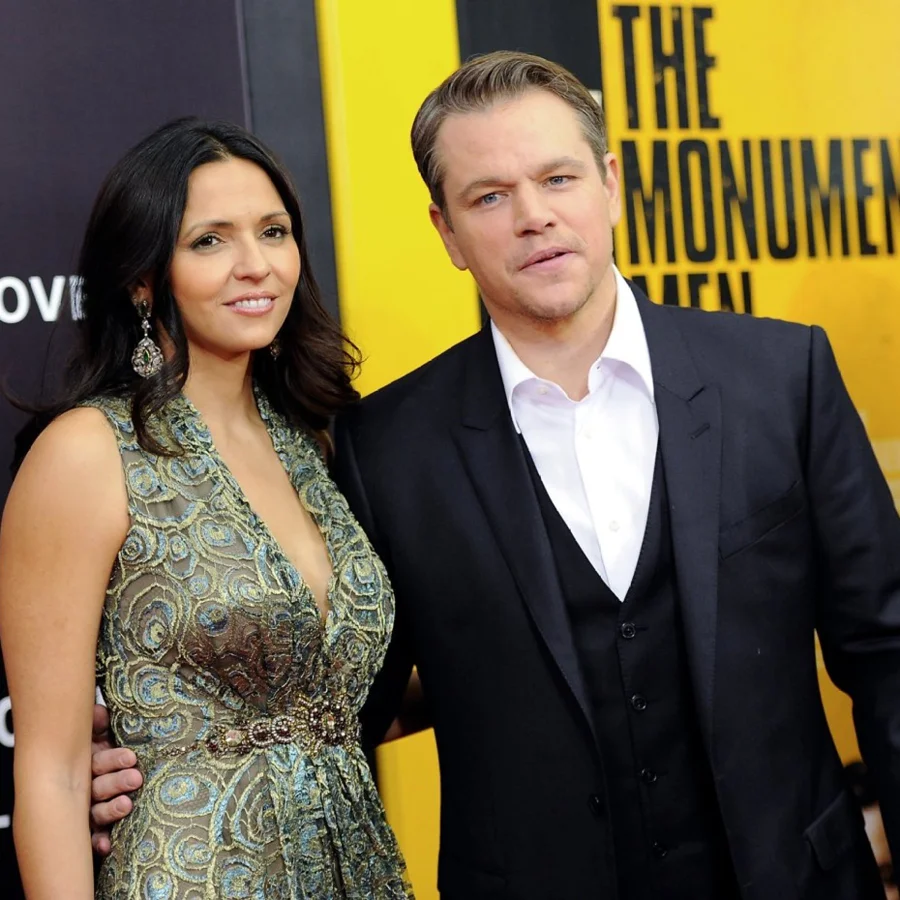
The Center at West Park, a nonprofit arts group that has used the church as an event venue for over a decade, found itself officially evicted last week. Despite this, the group’s supporters—featuring figures such as local resident Mark Ruffalo and Hollywood names including Matt Damon, Christian Slater, Kyra Sedgwick, and Kenneth Lonergan—continue to push for the building’s preservation.
Describing the importance of the space for the arts, Ruffalo reflected:
“I started out in spaces like this as a young actor here in New York City,”
—Mark Ruffalo, Actor
Ruffalo added:
“And when I walked in here, it reminded me of that. My humble beginnings, where you could come and work out your talent, where it wasn’t really expensive, where other people who are starting out just like you could meet and you can really figure out what you’re doing.”
—Mark Ruffalo, Actor
In the fall of the previous year, Ruffalo and Damon collaborated on a pared-down benefit reading of Kenneth Lonergan’s “This Is Our Youth” at the church, aiming to raise money to prevent the historic space from turning into a modern condo tower. These efforts, although high-profile, have not yet reversed the church’s precarious future.
Legal Disputes and Landmark Status at the Center of Controversy
The Center at West Park has stated its intention to continue arts programming off-site while remaining deeply committed to saving the church building. According to executive director Debby Hirshman, the group has raised over $5 million designated for urgent repairs, but alleges that church officials have halted any renovation work from being started.
The congregation, citing financial hardship, appealed to the city’s Landmarks Preservation Commission to remove the building’s historic designation. Without such protections, demolition would become possible. This effort paused in early 2024 as the church withdrew its application, referencing ongoing legal proceedings with its tenant, but a future attempt to drop the landmark status could happen at any point.
The congregation contends that the proposed condo development would provide them with a 10,000-square-foot space that could either serve their needs or generate rental income, suggesting this space could replace the lost performance area. However, this argument has met resistance among preservationists and city officials. Manhattan Borough President Mark Levine and State Senator Brad Hoylman-Sigal have both criticized the plan, emphasizing the significant cultural and artistic loss it would bring to the neighborhood.
The Impact on New York’s Cultural Fabric
At stake is more than just a building—West-Park serves as one of the city’s rare affordable arts incubators, a place where emerging artists and performers can gather and develop. Supporters describe it as a vital community resource, arguing that its loss would ripple through the entire cultural landscape of Manhattan and beyond.
The ongoing legal uncertainty makes the church’s fate far from settled. As demolition looms and advocates like Matt Damon join the effort, the last act in this struggle for preservation remains unwritten. The question persists: will commercial interests or a shared commitment to cultural heritage determine West-Park Presbyterian Church’s future?
