
Nearly 100 classic martial arts films—including notable works featuring Jackie Chan and Bruce Lee—are set to undergo AI-powered remakes, raising concerns about the future of cinema and authenticity. The planned project, unveiled at the Shanghai International Film Festival, places the focus keyword
“Jackie Chan AI remakes of classic martial arts movies”
at the center of ongoing debates around technology and creative legacy.
Major AI Overhaul Announced for Kung Fu Movie Heritage
During this year’s Shanghai International Film Festival, a group of Chinese studios revealed a large-scale initiative to apply artificial intelligence to modernize almost a hundred definitive martial arts movies. Titled the Kung Fu Movie Heritage Project 100 Classics AI Revitalization Project, the program aims to revisit classics from legends like Bruce Lee, Jackie Chan, and Jet Li. Speaking at the event, Tian Ming, chairman of Shanghai Canxing Culture and Media, announced a starting fund of 100 million yuan (about $13.9 million), recruiting leading global AI animation companies to, as Ming put it,
“start a film revolution that subverts tradition.”
—Tian Ming, Chairman, Shanghai Canxing Culture and Media.
The project’s ambitions are comprehensive, with studios looking to harness generative AI for everything from enhancing special effects and background details to possibly reimagining soundtracks and visual styles. These plans have quickly drawn international notice, with the initiative positioned at the intersection of technological innovation and the preservation of cinematic art. The move arrives as Hollywood continues to grapple with the controversial integration of AI into the creative process—an issue that contributed to recent strike actions by the Screen Actors Guild and the Writers Guild of America.
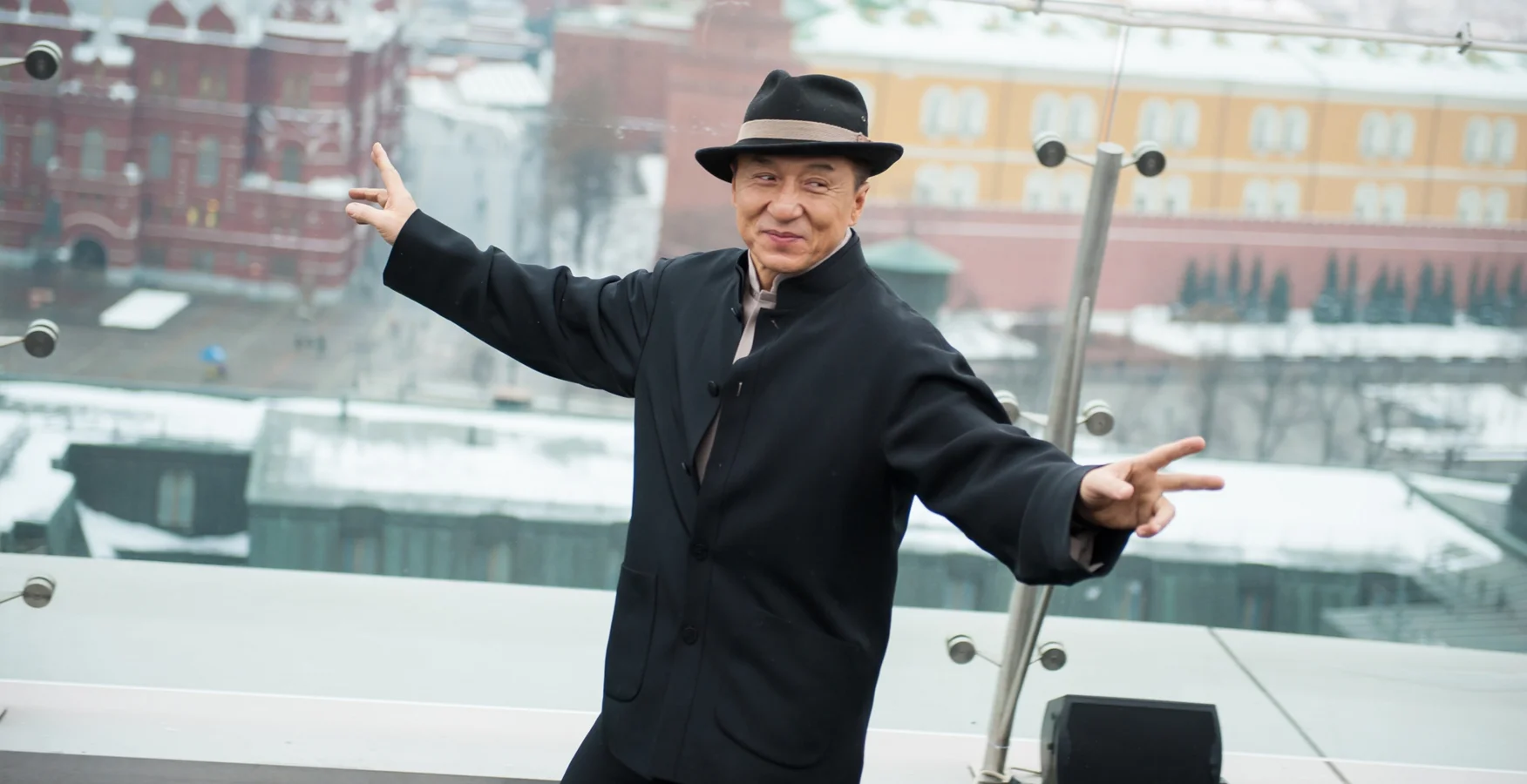
Implications for Film Industry Practices and Ethics
The campaign to rework films such as Lee’s “Fist of Fury” using artificial intelligence is still in its early stages, and it remains uncertain how extensively AI will alter iconic titles. Ming has indicated that these remakes will focus on aesthetic and audio upgrades while retaining the original narratives. However, initial reports hint at more radical changes. For instance, discussions of an AI-generated version of John Woo’s “A Better Tomorrow” imagine Chow Yun-fat’s signature antihero transformed with a cyberpunk flair, suggesting the remakes may extend far beyond simple restoration.
Bruce Lee’s influence on martial arts cinema remains unparalleled, with his style still shaping the genre, while Jackie Chan’s combination of comedy, athletic prowess, and creative stunts continues to draw global fans. As AI becomes more prominent in filmmaking, industry professionals—including directors, artists, and technology developers—are keeping a close watch on the evolving dynamics. The Kung Fu Movie Heritage Project is expected to stir considerable debate, especially given the mixture of skepticism and curiosity that has greeted earlier Hollywood experiments with generative AI in film.
Concerns and Realities for Martial Arts Fans
The announcement of Jackie Chan AI remakes of classic martial arts movies has sparked substantial discussion within the film community, with critics noting a set of complex ethical questions. Beyond concerns over employment and copyright, a fundamental issue lies in the possibility of substituting human excellence in martial arts performance with computer-generated imagery. The tradition of martial arts cinema values the authentic display of skill and athleticism—the centerpiece performances of stars like Bruce Lee and Jackie Chan are at the heart of the genre’s appeal.
While enhancements akin to the digital restoration work seen in projects like Peter Jackson’s “The Beatles: Get Back” may be welcomed, dedicated fans question whether full AI recreations can ever truly capture the energy or realism of their martial arts heroes.
“It is hard to imagine any serious appetite to have Bruce Lee’s legendary fight sequences completely replaced with an AI doppelgänger.”
For many martial arts fans, the presence of actual human artists—performers whose physical feats are themselves the special effects—remains the most compelling aspect of these films. The possibility of AI fully replacing these achievements raises challenging questions about the future of the genre and the very meaning of cinematic authenticity.
As the Kung Fu Movie Heritage Project moves forward, both Chinese and international studios—as well as audiences—will be paying close attention to reactions from all sides of the film and technology communities. The project’s reception may influence broader trends in global filmmaking, serving as a touchstone for future decisions on how and when artificial intelligence should be employed in recreating or revitalizing classic works.
