
Jackie Chan struggled with Bruce Lee clone role in New Fist of Fury, a film released in 1976 and directed by Lo Wei, as he was cast in a part designed to mimic Bruce Lee’s iconic persona. Despite Chan’s reservations, the movie exemplified a larger movement in Hong Kong cinema to replicate Bruce Lee’s popularity after his death, leading to a challenging period for Chan and the industry.
Jackie Chan’s Reluctant Role in a Forced Legacy
Jackie Chan has referred to his part in New Fist of Fury as “Bruce Lee the Second”, a label reflecting the expectations placed upon him. Chan and Bruce Lee represented very different styles within martial arts cinema: Bruce Lee was famous for his intense, no-nonsense fighters with an almost mythical quality, while Chan’s signature roles involved relatable, comedic everyman characters who happened to practice martial arts.
The contrast between their approaches became glaring in New Fist of Fury, marking Chan’s first time as a film’s leading man. Intended as a sequel to Bruce Lee’s Fist of Fury, New Fist of Fury was both directed and shaped by Lo Wei, who also directed Lee’s earlier hits, Fist of Fury and The Big Boss. Chan recounted in his autobiography how Lo Wei envisioned the part, wishing to recreate Bruce Lee’s forceful presence through him.
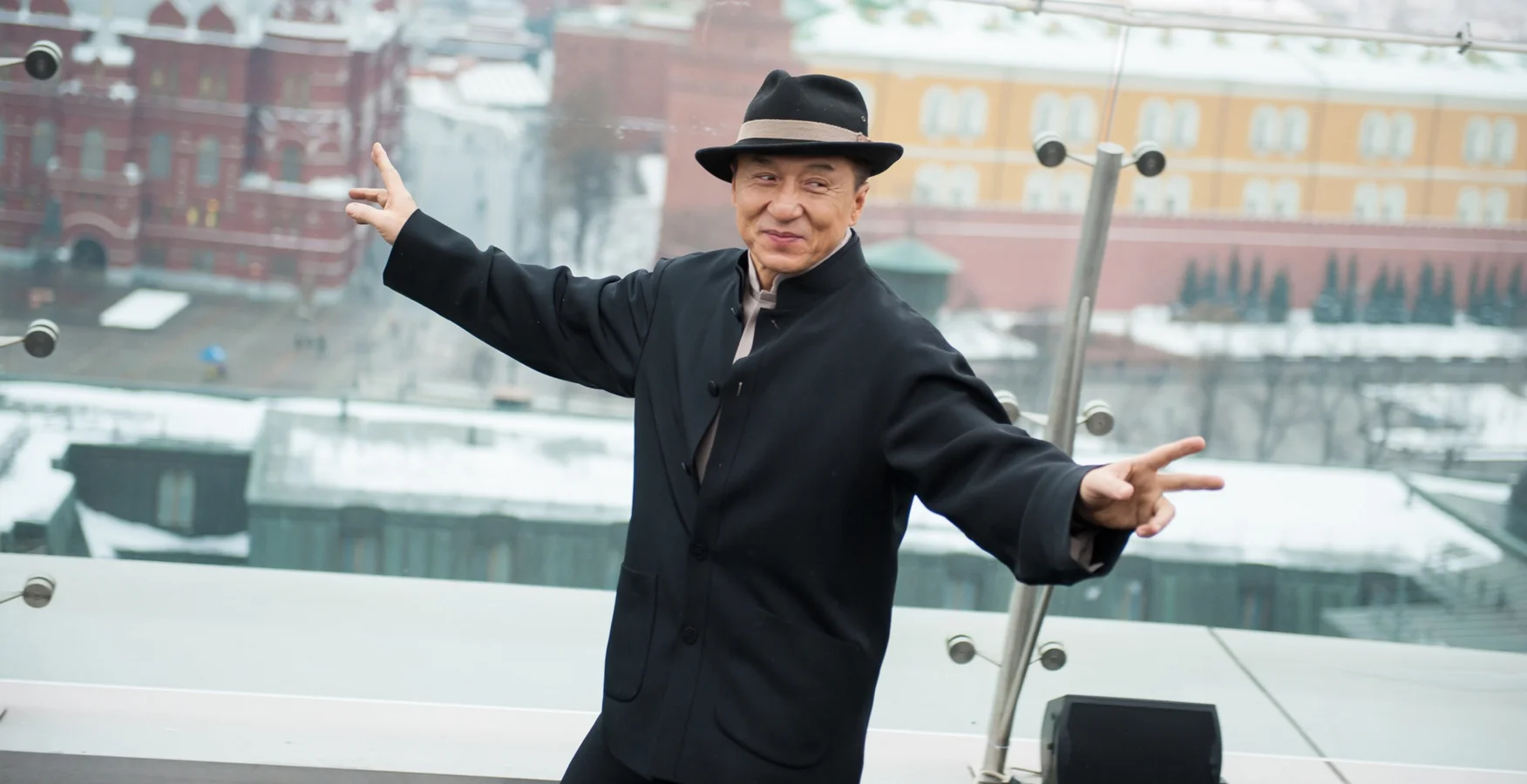
“Lo Wei wanted to turn me into Bruce Lee the Second.”
—Jackie Chan, Actor
According to Chan, the character he was asked to portray was, in his words, a
“cold-blooded, rage-filled killer who sought revenge only.”
—Jackie Chan, Actor
This depiction starkly contrasted with Chan’s natural on-screen persona, and he even confided to a producer that he did not feel right for the role. However, his concerns fell on deaf ears. Chan soon began to notice signs the approach was faltering. He described his experience in a sound booth, overhearing voice actors dub the film and criticize both his performance and his appearance, damaging his confidence. The reception on set was similar, and as Chan admits, the final result matched his fears—he now describes his own work in New Fist of Fury as unconvincing and stiff.
Jackie Chan’s Creative Identity Was Stifled
Despite his dislike of New Fist of Fury and the difficult experience it represented, Chan’s contract with Lo Wei’s production company tied him to similar projects after the film. It wasn’t until he moved to another studio and took lead roles in films like Drunken Master and Snake in the Eagle’s Shadow that Jackie Chan broke from the shadow of Bruce Lee, developing his unique comedic martial arts style that would become globally recognized. These later projects allowed Chan to abandon the rage-driven stereotype and embrace a new path in his career.
The Broader Industry Push for “The Next Bruce Lee”
The attempt to cast Jackie Chan in Bruce Lee’s mold was not an isolated event, but a part of a broader trend in Hong Kong’s film industry during the 1970s. After Bruce Lee’s sudden death in 1973, there was immense pressure among studios and filmmakers to capitalize on the sustained popularity of kung fu movies. Rather than seeking out new stars with fresh approaches, many studios adopted a practice known as “Bruceploitation”—intentionally crafting actors, stories, and even stage names reminiscent of Bruce Lee to try to replicate his magic and commercial success.
This era saw the rise of numerous so-called Bruce Lee “clones,” such as Bruce Le and Bruce Li, with studios favoring casting choices and personas that mirrored the late martial arts legend. While the majority of these actors struggled to escape Lee’s immense shadow, Jackie Chan ultimately became an exception. His stint as a Lee facsimile is often forgotten and seldom celebrated, yet it remains a pivotal, albeit challenging, phase in his rise to stardom.
Plot and Cast of New Fist of Fury
New Fist of Fury follows a brother and sister, portrayed by Jackie Chan (as Ah Lung) and Nora Miao (as Mao Li Er/Miss Lee), as they flee Japanese-occupied Shanghai for Taiwan. Upon arrival, they find refuge in their grandfather’s kung fu school, only to face new threats from a Japanese martial arts master, played by Chan Sing (as Okimura), who aims to control all martial arts schools on the island. The story centers on conflict, resistance, and the struggle to preserve tradition amid adversity. Henry Luk Yat-Lung also features as Lon Si Chun, rounding out the core cast.
The Impact and What Came Next
The legacy of New Fist of Fury lies mainly in highlighting the struggles Jackie Chan faced early in his career, as studios tried to recreate Bruce Lee’s larger-than-life persona through newer stars. While this era, defined by its intense, conflicted, and sometimes emotionally charged atmosphere, rarely produced sustainable successors, it did set the stage for the emergence of actors like Chan, who would eventually carve out new and iconic identities in the martial arts genre. The industry’s attempts to replace Bruce Lee showcased both the magnitude of his influence and the need for authentic voices in cinema, a lesson that would shape Hong Kong filmmaking for years to come.
