
Taylor Sheridan’s contrasting roles in Hell or High Water and Yellowstone have drawn sharp lines among viewers, as his subtle cameo in one is praised while his larger part in the series has left fans divided. These two appearances offer a study in restrained storytelling versus on-screen dominance, both set against the backdrop of the American West he so intimately portrays.
How Sheridan’s Approach Changed from Subtlety to Disruption
Known as the mind behind Hell or High Water and the creator of Yellowstone, Taylor Sheridan has established himself as a significant storyteller in the realm of neo-Westerns. In Hell or High Water, Sheridan quietly slips into the role of a cowboy, his appearance marked by a poignant monologue. This minor but meaningful moment resonated with movie fans because it fit seamlessly into the film’s tapestry of loss, struggle, and the decline of the frontier.
Before taking the reins of Yellowstone’s sprawling narrative, Sheridan’s brief turn in Hell or High Water was like a quiet nod to the deep sadness of the changing American West, a theme that runs through much of his work, including Wind River and Sicario. His Hell or High Water cameo remains memorable for the understated way he reveals his connection to Western mythos—just a whisper amid the roiling drama.
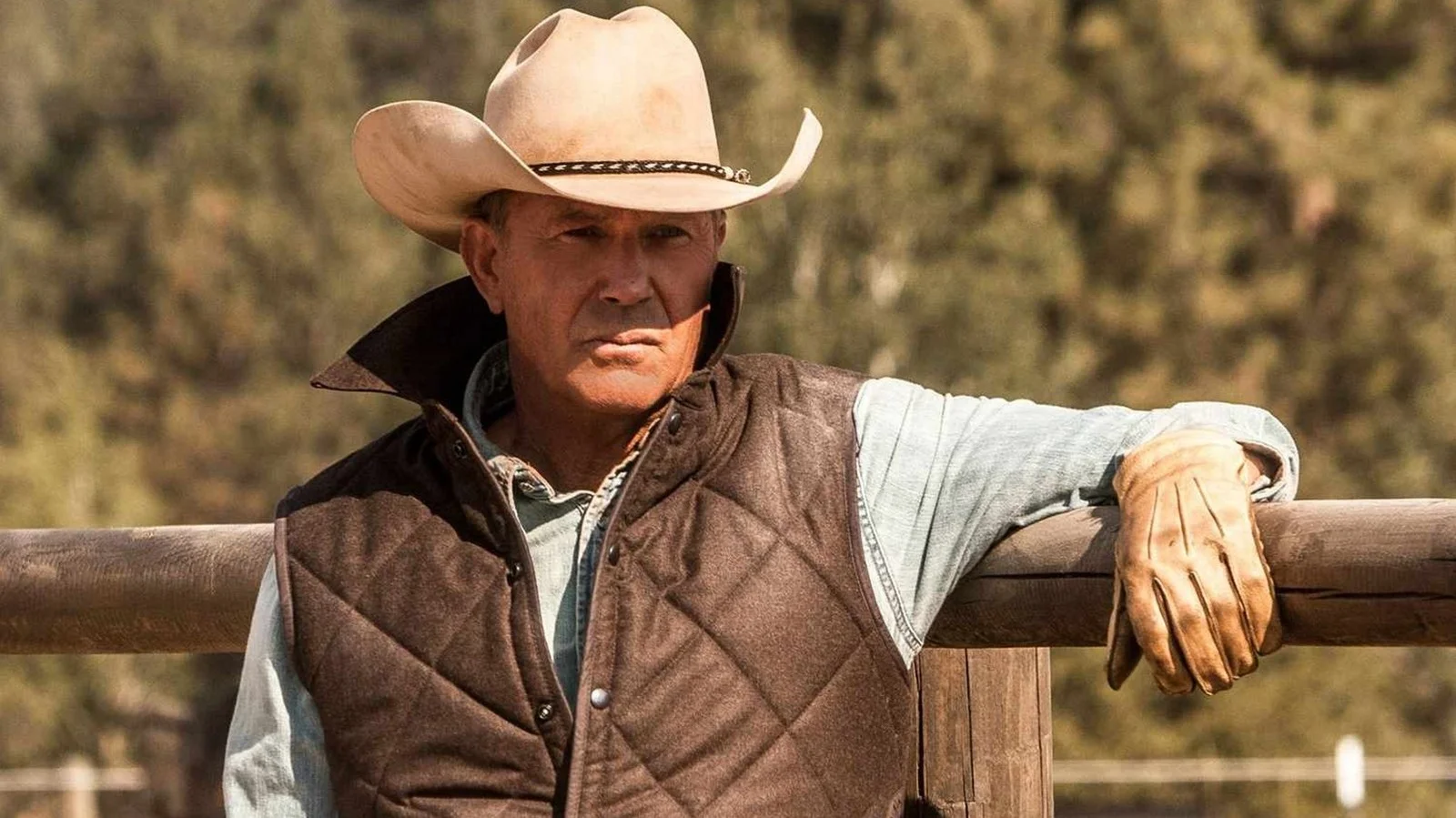
By contrast, Travis Wheatley, Sheridan’s recurring role in Yellowstone, stands out more aggressively. Many audience members feel his presence disrupts the flow of the show rather than enhancing it. This stark difference in approach has led fans to question whether the creator’s jump into acting detracts from his storytelling strengths.
Fans Voice Frustration with the Travis Wheatley Character
Yellowstone, fueled by Taylor Sheridan’s writing, initially put viewers right into the thick of Western hardship, legacy, and survival—particularly through John Dutton, played by Kevin Costner. But as the series advanced, Sheridan’s character, Travis Wheatley, began to draw criticism. In the eyes of the audience, what was once story-driven drama started to give way to unnecessary focus on Sheridan’s on-screen persona.
“I get it. This is real.”
—Taylor Sheridan, as a cowboy in Hell or High Water
That sentiment, spoken during his quick Hell or High Water appearance, epitomizes the understated power Sheridan brings as both a writer and performer—when he chooses subtlety over spectacle. However, as his role in Yellowstone grew, fans grew annoyed at the shift in attention. The show’s core narrative, centered on the Dutton family and their enduring fight over land and legacy, was often overshadowed by Travis Wheatley’s increasing prominence.
This fan frustration came to a head in Yellowstone’s final season when Wheatley appeared to take over a key episode, drawing attention away from longtime characters and diluting the show’s emotional impact. The essence of Sheridan’s strength—writing human characters trapped in desperate circumstances, as seen with Toby and Tanner in Hell or High Water—became less apparent when he stepped onto the screen as more than a bit player.
Hell or High Water’s Influence and the Tension in Yellowstone
At its heart, Hell or High Water tells the story of two brothers, Toby (Chris Pine) and Tanner (Ben Foster), who turn to crime in an effort to save their mother’s land. This plot, underscored by moral ambiguity and human complexity, laid the groundwork for Yellowstone’s themes: protecting family, enduring hardship, and fighting for survival in a changing world. Even Kevin Costner’s John Dutton feels like a spiritual cousin to the film’s protagonists—determined, flawed, and fiercely protective.
However, while Hell or High Water is lauded for its tight focus and emotional nuance, Yellowstone’s broader approach sometimes falters, especially when Sheridan steps into the frame as Travis Wheatley. Unlike the depth found in Toby or Tanner or even the American West itself as a character, Wheatley lacks the same layers, often feeling like a distracting element instead of a narrative necessity.
This contrast between subtlety and spectacle marks Sheridan’s transition from whispering about the West’s decline in Hell or High Water to grabbing the megaphone in Yellowstone. As a result, the Duttons and the struggle for their ranch occasionally lose their luster compared to the dramatic simplicity of his previous work. Even Chris Pine and Ben Foster’s performances as brothers driven by circumstance outshine the scripted intensity of Wheatley.
The Importance of Knowing When to Step Back
The mixed reception of Taylor Sheridan’s roles highlights the delicate balance between creator and actor, especially when the creator is so closely tied to the story’s soul. The poetic restraint seen in his Hell or High Water appearance arguably serves both the story and its atmosphere more effectively than his high-volume role in Yellowstone. When Sheridan lets his scripted characters speak for themselves, his gift as a storyteller truly shines.
Viewers have suggested that Yellowstone might have benefitted from the same subtle brushstrokes that colored Hell or High Water, giving supporting characters and the main storyline room to breathe without unnecessary diversion. While Yellowstone’s scope and ambition are clear, the presence of Travis Wheatley often feels, as critics have noted, out of place—much like a cowboy hat at an uptown party.
With both Hell or High Water and Yellowstone available on Paramount+, fans continue to debate the merits of Sheridan’s on-screen choices versus his behind-the-scenes legacy. If future projects channel the quiet power of his film cameos, the American West’s tale may yet be told with both the depth and restraint it deserves.
