
Netflix’s series Wrong Side of the Tracks takes clear inspiration from Gran Torino, with Clint Eastwood‘s influence on Netflix’s Wrong Side of the Tracks shaping its intense and layered drama. The Spanish show builds on Eastwood’s vision, blending more action and emotional stakes into a story that echoes his enduring impact on film.
A Legendary Legacy Inspiring New Stories
For over six decades, Clint Eastwood has embodied the archetype of the cowboy rebel and storyteller, influencing cinema from both sides of the camera. He holds a special status among filmmakers who admire his approach to raw and moving storytelling, especially evident in his 2008 hit, Gran Torino.
The mark left by Gran Torino runs deep. The film chronicles Walt Kowalski, an embittered veteran played by Eastwood, whose journey from isolation to reluctant protector of his neighbors captivated audiences and critics alike. The narrative’s raw emotion and complex depiction of cultural conflict contributed to its intense reception and solidified Eastwood’s legacy as a boundary-pushing director and performer.
Within recent years, Netflix’s Spanish-language drama Wrong Side of the Tracks, or Entrevías, has emerged as a spiritual successor. The series quickly drew attention for its similarities to Eastwood’s film, stirring discussions among film connoisseurs and fans about its inspiration and execution.
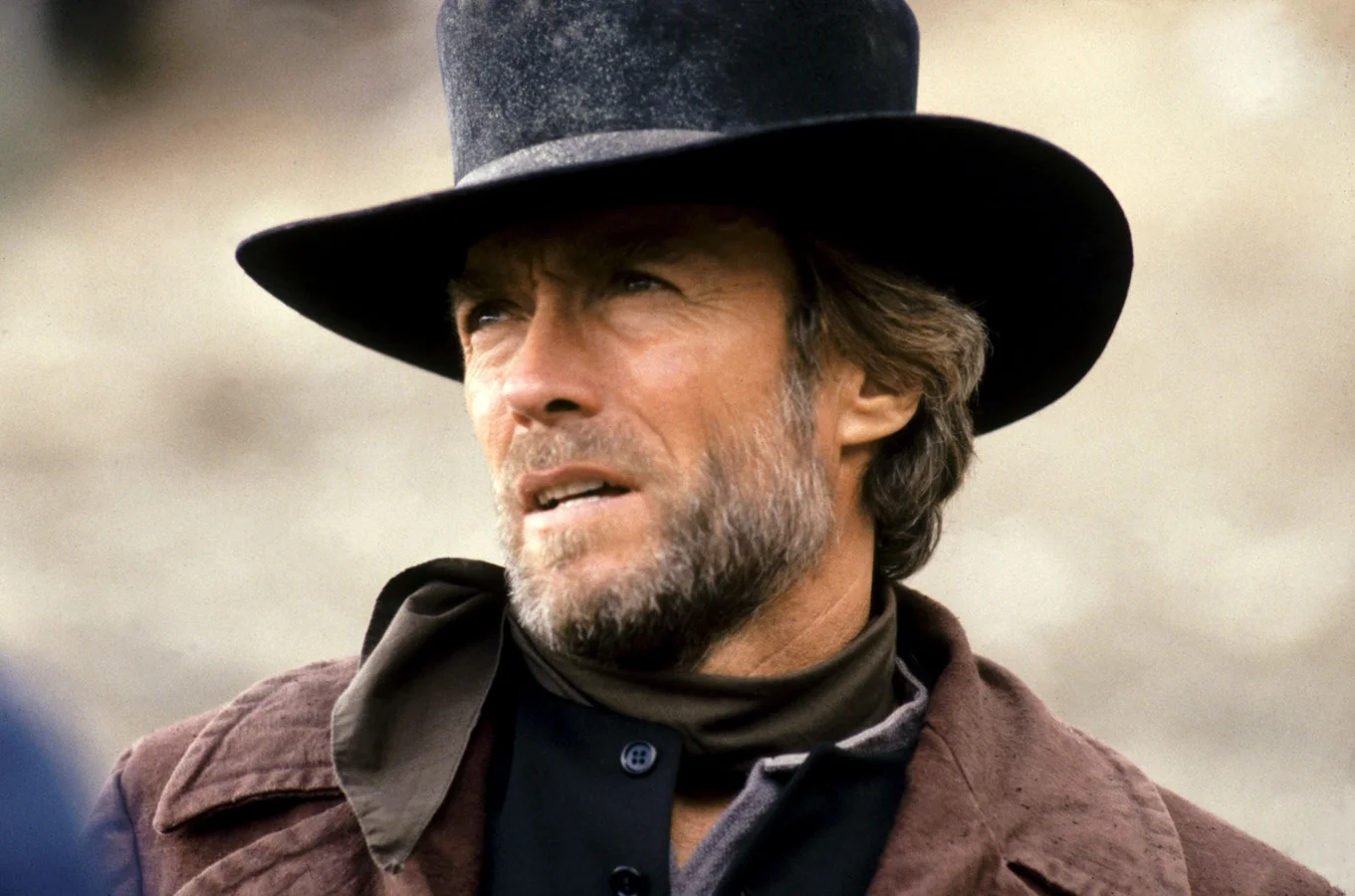
The Storylines: Gritty Parallels and Emotional Highs
The plot of Gran Torino follows Walt Kowalski as he withstands life in a changing neighborhood and forms an unexpected bond with a local youth after an attempted car theft. The film’s transition from anger to empathy, culminating in a stand against those threatening his adopted family, resonated for its honest portrayal of transformation and sacrifice.
Similarly, Wrong Side of the Tracks centers on Tirso Abantos, portrayed by Coronado, a retired soldier who retreats to the quiet life of running a hardware store in Entrevías, a marginalized part of Madrid. Abantos lives a reclusive existence until turmoil erupts when his granddaughter becomes entangled with a local drug gang led by Sandro, played by Franky Martin.
Tensions escalate as Abantos’s granddaughter and her boyfriend flee with a kilo of heroin stolen from Sandro, resulting in the boyfriend’s arrest and the granddaughter, Irene, taking refuge with her grandfather. The fallout pulls Irene into further danger, prompting Abantos to confront the criminal world that threatens his family. The storyline amplifies the emotional stakes and drama, crafting a narrative where the struggle of an aging hero mirrors the spirit of Eastwood’s iconic character.
Throughout the series, the ensemble cast brings a gripping intensity, yet the show‘s inspiration is unmistakable. The parallels are evident: a war veteran assuming the role of protector, a close-knit family threatened by criminal elements, and a relentless commitment to justice. These direct connections reinforce the prominent influence of Gran Torino, while the heightened drama and action add fresh layers to the story.
Eastwood’s Thoughts on Gran Torino’s Controversy
Gran Torino remains one of Eastwood’s most discussed works, not just for its cinematic qualities but for the cultural debates it spurred. Sitting at a strong 8.1 rating on IMDb, the film is renowned for tackling contentious themes and pushing boundaries.
Eastwood’s willingness to approach divisive topics is part of what makes his films compelling. Reflecting on Gran Torino’s creation, Eastwood confronted the idea that it might provoke controversy in a more sensitive, politically aware era. During a conversation with Esquire, the director recalled the initial reaction of his colleague:
When I did Gran Torino, even my associate said, ‘This is a really good script, but it’s politically incorrect’. And I said, ‘Good. Let me read it tonight’. The next morning, I came in and I threw it on his desk and I said, ‘We’re starting this immediately’.
—Clint Eastwood, Director and Actor
The decision to bring Gran Torino to life was seen as bold, leading to both critical applause and public debate. Despite fears of backlash, the film’s authenticity and frank storytelling struck a chord, achieving box office success and becoming central to discussions about cinema’s role in reflecting and challenging society.
The Enduring Impact of Eastwood’s Vision
The continued relevance of Eastwood’s work is evident in the way modern creators reference and reimagine his themes. Wrong Side of the Tracks is a testament to the power of storytelling that transcends cultures and languages—its narrative, characters, and emotional intensity pay homage to the legacy of Eastwood’s Gran Torino while carving out its own identity within the contemporary TV landscape.
The presence of veteran actors, complex characters like Tirso Abantos and Irene, and the catalyst of local crime in Madrid root the show in fresh territory, yet the familiar undercurrents of family, justice, and standing up to adversity underscore the universal appeal of Eastwood’s influence. The emotional weight carried by both Gran Torino and Wrong Side of the Tracks ensures the conversation about cinematic inspiration and transformation continues among critics, viewers, and filmmakers alike.
For audiences interested in witnessing this evolution of themes, Gran Torino is currently available for streaming on Prime Video, while Wrong Side of the Tracks can be found on Netflix. The engagement between old legends and new interpretations highlights the remarkable reach of Clint Eastwood’s influence on Netflix’s Wrong Side of the Tracks and the broader landscape of dramatic storytelling.
