
James Gunn‘s creative strategy for the new DCU is reshaping the superhero film landscape, prioritizing strong storytelling and deliberate pacing after years of instability in the genre. As DC Studios, co-led by Gunn and Peter Safran, eyes a major revival with highly anticipated projects and the return of iconic characters, recent decisions underline a stark departure from the creative pitfalls faced by Hollywood—especially those visible in the Marvel Cinematic Universe’s recent phases.
DC Studios Sets New Standards by Canceling Unready Projects
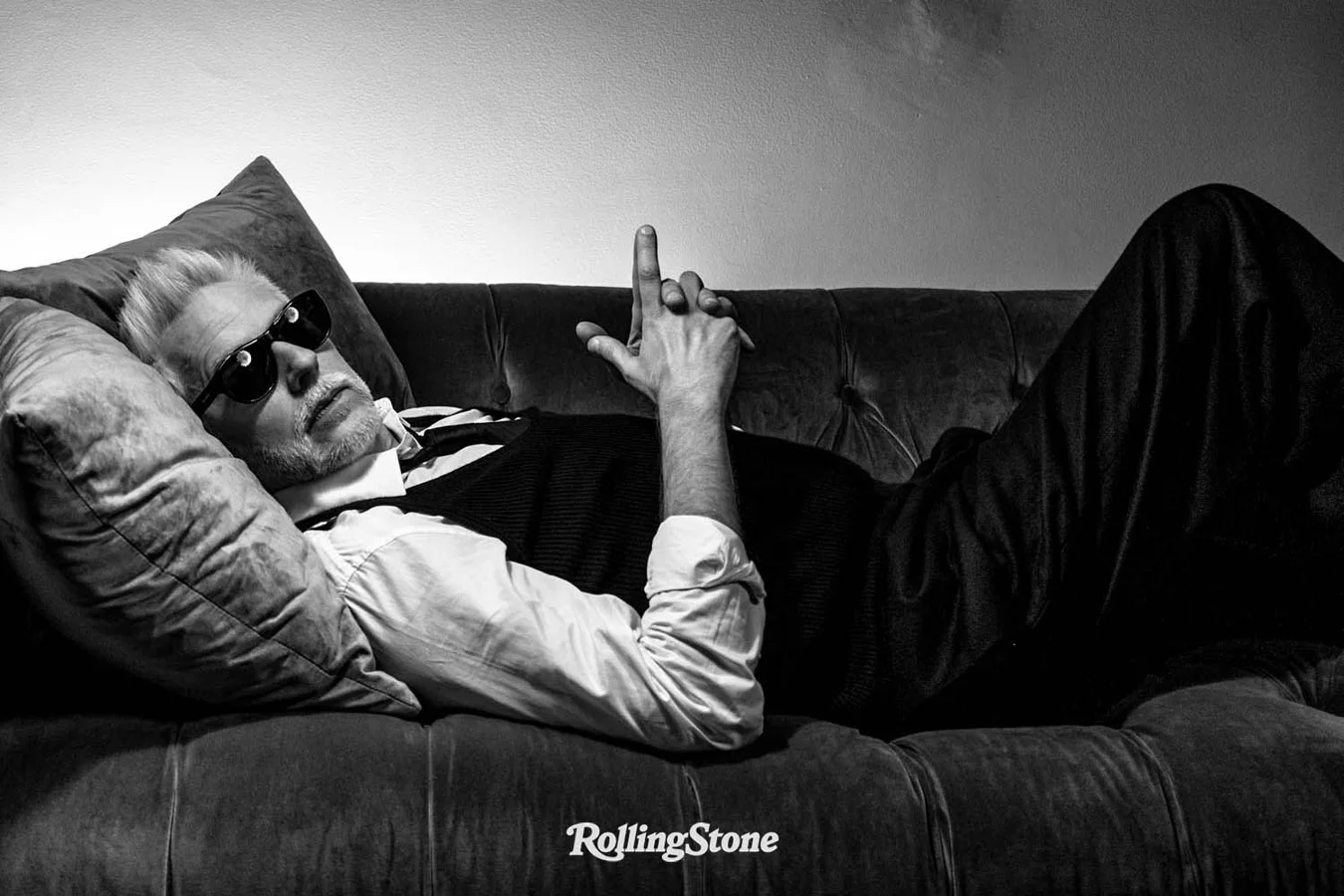
Under the new direction of James Gunn and Peter Safran, DC Studios has made it clear that only films with fully developed screenplays will move forward. This commitment came to light during a recent Rolling Stone interview, where Gunn disclosed that a movie was shelved explicitly because its script did not meet the studio’s standards. The move—while disappointing to some fans eager for a steady stream of content—signals DC Studios’ renewed focus on delivering quality over quantity.
The desire to ensure a compelling narrative, instead of rushing productions, stands in contrast to industry norms. Gunn openly criticized common Hollywood practices, stating,
people are making movies without a finished screenplay.
—James Gunn, DC Studios Co-Head. With this approach, DC Studios is drawing a line between its trajectory and that of its competition, placing the art of storytelling above the push for a saturated release schedule.
Although there is natural disappointment among fans about the loss of potential new stories, particularly when they connect to beloved comic book characters, the reasoning behind these cancellations is garnering respect. By putting narrative first, Gunn and the DCU team are showing their commitment to making every cinematic release meaningful. This decision arrives at a time when audiences, including long-term superhero followers, express concern about the genre’s creative fatigue and the diminishing quality of blockbuster releases. For a franchise that previously experienced an unpredictable run during the era of the DC Extended Universe, this shift suggests a new, more intentional chapter.
Learning from the Pitfalls of Marvel’s Overextension
The strategy embraced by DC Studios is especially significant when viewed against the backdrop of Marvel’s missteps in recent years. The Marvel Cinematic Universe, driven to meet corporate targets and provide fresh material for Disney+, ramped up its content output in the early 2020s. However, this decision resulted in a dilution of creative focus and frequent complaints that projects felt rushed rather than thoughtful. Movies and shows like She-Hulk: Attorney at Law, Doctor Strange in the Multiverse of Madness, Thor: Love and Thunder, and Secret Invasion bear the scars of inadequate development and excessive pressure to keep content flowing.
As Gunn’s interview and a Wall Street Journal report highlight, Marvel’s priorities during this period leaned more toward satisfying Disney’s demand for new material than upholding a consistent creative vision. Unlike Marvel, the new DCU is refusing to set arbitrary production quotas or bow to external pressures; instead, it is giving creative teams both freedom and time to craft engaging stories. This philosophy should give audiences greater confidence in the care being invested in returning characters such as Batman and in debuting new on-screen versions like Supergirl and the members of the Green Lantern Corps.
The decision to preserve creative control is not a promise that every forthcoming DCU film will be universally acclaimed, but it does mean that movies devoted to developing their characters and worlds will face fewer barriers to success. With thoughtfully managed production timelines and a dedication to narrative integrity, DC Studios is betting that a patient, story-centered approach will win over audiences disappointed by the formulaic and rushed projects that have defined much of the recent superhero landscape.
DC Studios’ Commitment to Storytelling Signals a New Era for Comic Book Movies
While Marvel Studios has recently acknowledged shortcomings—Louis D’Esposito, its co-president, admitted the need for a new strategy after several underwhelming box office performances—DC Studios is already taking bold steps to create a narrative-driven cinematic universe. Unlike Marvel’s Avengers, which will need a major turnaround heading into Doomsday, the DCU’s renewal feels energized rather than desperate. By heeding the lessons of overexpansion, Gunn and his creative team are choosing deliberate progress over a rapid succession of interconnected films.
The repercussions of poor planning across the comic book movie genre are evident. Sony’s Spider-Man Universe faltered last year, falling victim to the same mistake—focusing on franchise potential rather than crafting strong individual films. While certain recent releases, such as Thunderbolts*, have managed a nuanced approach with teams of antiheroes, they have been the exception rather than the norm. Instead, movies like Ant-Man and the Wasp: Quantumania and Captain America: Brave New World underscore the risk of producing forgettable sequels instead of prioritizing original, resonant storytelling.
Gunn’s recent statements and strategic choices have provided a sense of hope among fans and critics alike, who are jaded by repetitive formulas and storytelling shortcuts. The prospect of revitalized superhero films, with a clear commitment to narrative excellence, positions the DCU at the threshold of a possible renaissance—a much-needed change after years of creative stagnation across the genre.
Spotlight on the Upcoming ‘Superman’ Cast
The anticipation for the new DCU is heightened by a talented ensemble for the upcoming Superman film, which is scheduled for release this July. David Corenswet steps into the role of Clark Kent, also known as Superman and Kal-El, bringing a fresh take on the iconic character. Rachel Brosnahan will portray Lois Lane, while Nicholas Hoult is cast as the infamous Lex Luthor, promising an intense dynamic between hero and villain. Edi Gathegi joins as Michael Holt, also known as Mister Terrific, expanding the story’s roster of heroes and hinting at a broader, interconnected universe.
As James Gunn and Peter Safran’s strategy continues to take shape, the focus remains firmly on quality, character development, and audience resonance—setting high expectations for the release of Superman and positioning the DCU as a leader in superhero storytelling for years to come.
