
Kevin Costner chosen over Robin Williams for Field of Dreams has become one of Hollywood’s most intriguing casting stories, as new revelations explain why Costner landed the defining role in the beloved film. In a candid interview, Costner describes the reasoning that director Phil Alden Robinson gave for selecting him instead of the iconic comedian for the part of Ray Kinsella, unveiling how the film’s emotional tone demanded a particular presence.
Why Kevin Costner Became the Lead Instead of Robin Williams
In the landscape of American cinema, few stories about family and forgiveness have resonated as widely as Field of Dreams, a sports fantasy movie that cemented Kevin Costner’s reputation. With its nuanced exploration of chasing one’s aspirations, the 1989 film stands out as a staple for movie aficionados, in large part due to Costner’s performance as Iowa farmer Ray Kinsella. Although Robin Williams was a major box office draw in the late 1980s, director Phil Alden Robinson believed that Costner’s qualities would allow audiences to connect with the film’s emotional journey.
At the time, Robin Williams was at the pinnacle of his stardom, captivating fans around the world with his performances across drama, comedy, and beyond. His versatility made him a favorite for directors eager to collaborate and create movie magic. Nevertheless, for Field of Dreams, Robinson had a specific vision for the lead role and opted for Costner over one of Hollywood’s brightest stars.
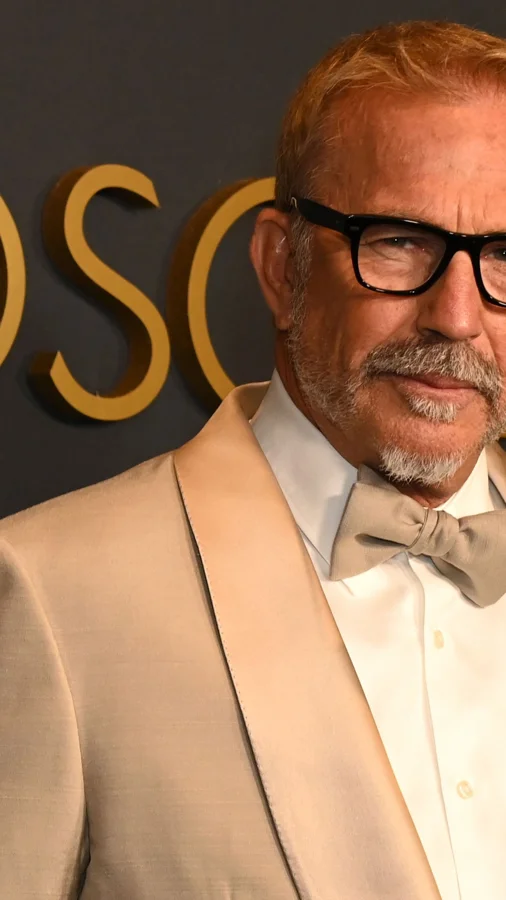
Recalling his conversation with Robinson during an exclusive GQ interview, Kevin Costner asked the director directly about the decision, expressing his own surprise at being preferred over Williams.
There was an interesting thing ’cause Robin Williams, bless his heart, there was a moment when I asked the director, I said, ‘You know, Robin Williams is a big star, as big as you ever wanna get.’
—Kevin Costner, Actor
Phil Alden Robinson explained his reasoning with a touch of humor but grounded insight, suggesting that Williams’s recognizable comedic style may have clashed with the film’s subtle emotional currents.
So when he picked me to do it, kind of over Robin Williams, ’cause it seems like a natural for Robin Williams, and he said, ‘I’m pretty sure that Robin Williams hears voices in the corn. I’m kind of sure that you don’t. They’re gonna end up believing you, Kevin, because they’re gonna see how it works.’
—Kevin Costner, Actor (recounting Phil Alden Robinson’s words)
This candid perspective from Robinson illuminated how audience perception influenced his directorial choices, prioritizing believability and emotional transparency over marquee star power for this story.
How the Casting Decision Impacted Both Actors’ Careers
Field of Dreams went on to become both a box office and critical success, grossing $64.5 million and earning three Academy Award nominations, including Best Picture. The film’s balance of drama, fantasy, and heart left a lasting impression on viewers and critics alike, marking a major achievement in Costner’s already ascending career.
Interestingly, while Robin Williams missed out on the role of Ray Kinsella, he starred in Dead Poets Society the same year—a performance that has since become legendary in its own right. That film surpassed even the earnings of Field of Dreams, bringing in $239.5 million globally and winning the Academy Award for Best Original Screenplay. Both films have endured as cultural touchstones, demonstrating that although the casting decision shaped the trajectory of the two stars, each actor found his own avenue to cinematic greatness in 1989.
Kevin Costner Reflects on What Made Field of Dreams Unique
Costner himself has spoken about the lasting significance of Field of Dreams, recognizing that the film’s success was the result of more than just his lead performance. During his GQ interview, he reflected on the importance of a meaningful script and the personal connection he felt to the story.
A good story requires a good script for it to somehow leap off the page and become a movie. That little movie had gold dust all over it, not in the way that I thought it would be a big hit, whereas gold dust on it in the way it moved me personally. And I think if I can be moved personally, I feel like in movie making, I can find a way to share that on a mass level.
—Kevin Costner, Actor
He emphasized how the opening pages of the screenplay affected him deeply, guiding the tone away from exaggerated theatrics and towards a quiet journey of discovery. His grounded approach aligned with Robinson’s vision and ultimately allowed audiences to experience the film’s themes on a personal level.
Costner’s portrayal of Ray Kinsella contributed to making Field of Dreams an enduring American movie, one that bridges the worlds of sports, family, and the magic of second chances. The casting choice did not just define Costner’s career, but contributed to a wave of emotional narratives in Hollywood that have followed in its footsteps.
The Ongoing Legacy of a Casting Choice
Both Kevin Costner and Robin Williams forged new chapters in Hollywood from the late 1980s onward, each actor drawing on his unique strengths in projects that would define their respective legacies. Today, Field of Dreams is available for audiences to stream on Netflix, allowing new generations to appreciate the grounded sincerity Costner brought to the role. Meanwhile, Dead Poets Society remains an essential watch, accessible via Apple TV and still celebrated by film enthusiasts worldwide.
The story behind Kevin Costner being chosen over Robin Williams for Field of Dreams serves as a reminder of how intricately casting decisions can affect not only the outcome of a film, but also the course of cinematic history—and how the right actor at the right moment can create movie magic that endures for decades.
