
When the acclaimed filmmaker Quentin Tarantino took the helm for the CSI: Crime Scene Investigation two-part season five finale, he created a set of episodes that critics, fans, and TV historians continue to spotlight as defining moments in television. The CSI episodes directed by Quentin Tarantino, titled “Grave Danger” Parts 1 and 2, transformed the show’s formula, drawing lasting praise and recognition for their creativity, suspense, and audacious style.
These episodes, which aired on CBS in May 2005, have remained at the top of CSI best-of lists, largely due to Tarantino’s fresh take on the forensic drama, but their impact goes deeper than the celebrity factor alone. The innovative approach Tarantino brought to this high-profile procedural not only left audiences breathless, but it also redefined what the genre could achieve, setting the standard for network TV thrillers.
How Quentin Tarantino’s Directorial Vision Redefined CSI’s Season Five Finale
Before Quentin Tarantino’s involvement, CSI had already shaken up the world of crime procedurals with its slick style and compelling mysteries. By the end of its fifth season, however, the show had reached a turning point that demanded something both daring and memorable. Tarantino answered that call, stepping in as both director and co-writer for the “Grave Danger” episodes, marking a rare and significant collaboration between one of Hollywood’s most original filmmakers and a hit TV franchise.
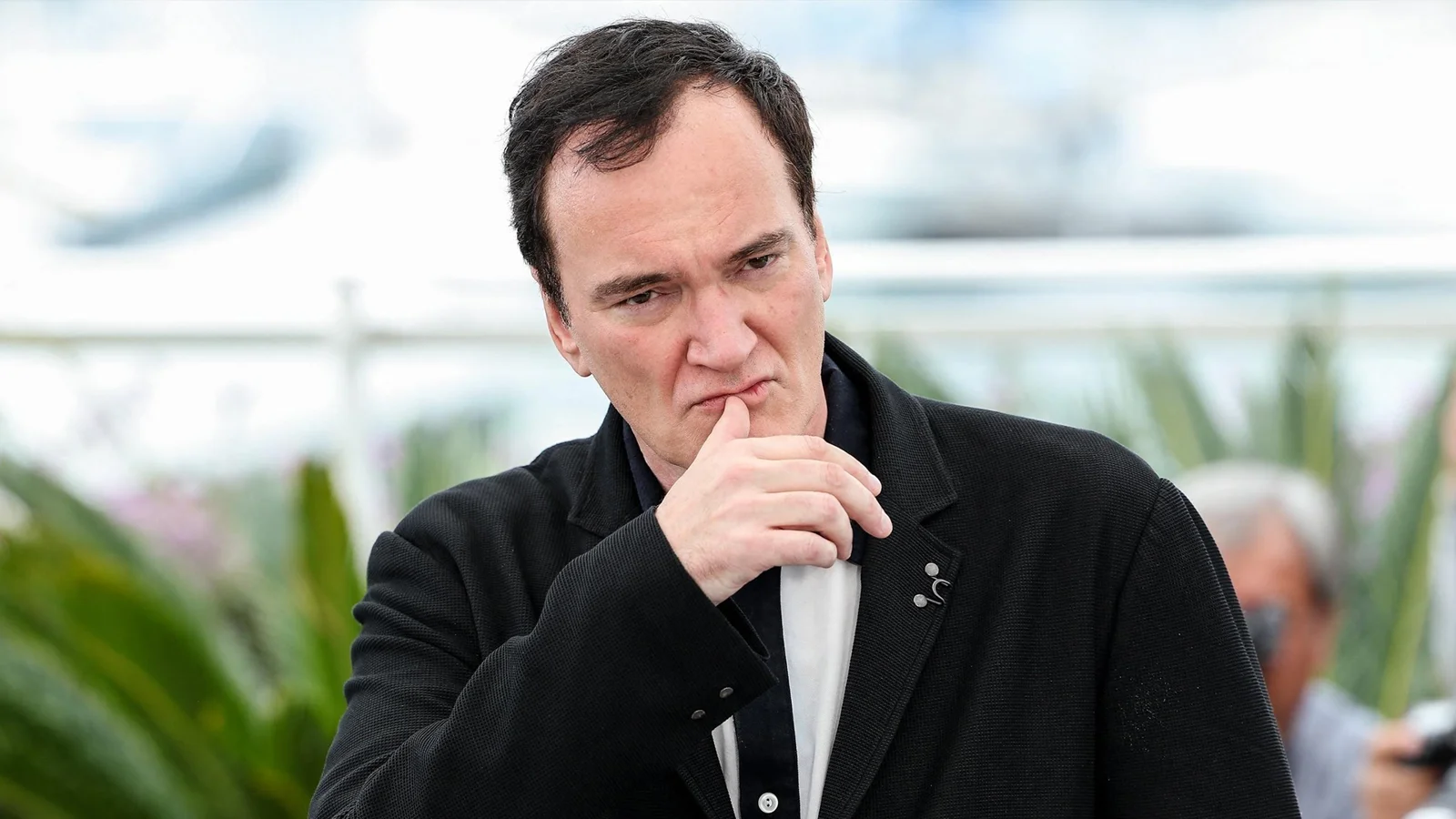
The story centers on Nick Stokes, portrayed by George Eads, who is kidnapped during a scene investigation and left buried alive inside a glass coffin rigged with explosives. As panic sets in, fellow team members Gil Grissom (William Petersen), Catherine Willows (Marg Helgenberger), and Sara Sidle (Jorja Fox) mount a tense search, racing against time and their own emotions to rescue their friend. This premise, both simple and harrowing, became the backbone of an intensely suspenseful narrative that held viewers in its grip.
Quentin Tarantino’s full creative involvement was felt throughout both parts of the finale. It was not a simple cameo or special guest director spot—Tarantino’s stamp was present at every turn, from the nerve-wracking opening to the powerful final rescue. This dedication paid off with critical success, earning Tarantino an Emmy nomination for Outstanding Directing for a Drama Series. The recognition was notable given CSI had already delivered hundreds of episodes, highlighting the remarkable distinction of Tarantino’s take.
The “Grave Danger” finale injected epic scale and emotional depth into the procedural format. Audiences felt every moment of Nick’s terror and the team’s desperation. The CSI episodes directed by Quentin Tarantino became the series’ emotional high point, pushing the limits of network TV and redefining what viewers could expect from weekly drama series.
Why “Grave Danger” Stands Alone in the CSI Canon
“Grave Danger” is a singular creation in the legacy of CSI. While forensic drama often relies on formulaic storytelling, Tarantino infused the special episodes with cinematic flair, from stylized camera work to atmospheric editing. He didn’t simply change the visuals—he twisted the narrative to include non-linear scenes, vivid dreamlike sequences, and hallucinatory moments inside Nick’s mind. Viewers were taken on a surreal journey as Nick, buried alive, experienced hallucinations and fantasy, including a haunting autopsy scene reminiscent of the director’s earlier films such as Pulp Fiction and Kill Bill.
Still, Tarantino’s vision respected the soul of CSI. At its heart, the finale was about the powerful relationships among the crime lab team. Throughout the season, connections had been developed between Nick and other central characters like Grissom and Catherine. By placing Nick in immediate peril, the show tested every bond and reinforced the emotional strength underpinning the distinct personalities of the CSI team, including Sara Sidle and Greg Sanders (Eric Szmanda).
This approach grounded the stylish flourishes in genuine emotion. While Tarantino escalated the suspense and darkness, he never overshadowed the team dynamic or the established character arcs. Instead, he elevated elements that had always made CSI compelling, deepening the dramatic tension and rooting it in real stakes. Nick’s situation became not just a crime puzzle, but a gut-wrenching trial for each character.
The episodes proved that procedural television could be reinvented through bold storytelling. The CSI episodes directed by Quentin Tarantino didn’t just bring flair to the show—they pushed its boundaries, demonstrating the flexibility and potential of the crime procedural genre when shaped by an innovative director.
From TV Event to Cinematic Thriller: Tarantino’s Movie-Style Episode
CBS’s decision to let “Grave Danger” unfold over two episodes gave Tarantino a format akin to a feature film. The finale’s structure resembled that of a 90-minute movie, allowing the director to create escalating suspense and complex emotional arcs typically reserved for the big screen. Everything from pacing to visual style was reminiscent of Tarantino’s acclaimed work in Hollywood cinema.
The storyline, especially Nick’s buried-alive ordeal, was a direct nod to a similar scene in Kill Bill: Vol. 2 featuring Uma Thurman’s character trapped underground. Tarantino revisited the stylistic hallmarks of that sequence—claustrophobic environments, mounting psychological distress, and inventive camera work—blending them seamlessly into the CSI universe. Musical cues, deliberate slow-motion, and intense close-ups enhanced the feeling that viewers were watching something unprecedented for network TV.
Despite the cinematic makeover, Tarantino maintained the forensic foundations of CSI. The investigation, scientific problem-solving, and teamwork remained essential. The show’s audience, accustomed to seeing characters like Grissom and Sara Sidle using logic and evidence to solve mysteries, found themselves engrossed in a story where emotion and intuition were elevated to the same level as science.
The director’s attention to detail and understanding of the show allowed for a perfect marriage between his own style and CSI’s traditions. The characters were never lost in spectacle; Nick Stokes’ trauma was both visually stunning and deeply personal. The urgent determination of Gil Grissom and Catherine Willows, as well as the tireless support of Greg Sanders and the rest of the team, made the stakes palpable and the fear all too real.
As a result, the CSI episodes directed by Quentin Tarantino not only topped fans’ lists and attracted critical acclaim but also reshaped expectations for episodic television. The “Grave Danger” finale exists as a benchmark, remembered as a time when a TV crime show reached the height of cinematic ambition.
The Lasting Impact of Tarantino’s “Grave Danger” on CSI and Network Television
Decades after its original broadcast, “Grave Danger” continues to be referenced in discussions about both CSI and the broader landscape of TV drama. Tarantino’s willingness to bend the procedural format, his inventive use of imagery and suspense, and his faith in the core characters set a new precedent. The episodes are regularly highlighted not only as a masterclass for fans, but as a point of study for aspiring screenwriters and directors seeking inspiration from the TV thriller format.
The legacy of the CSI episodes directed by Quentin Tarantino is felt throughout the series and has reverberated across network television. These episodes reminded audiences and creators alike that procedural dramas do not have to be formulaic or predictable. Even long-running series, with familiar characters and structures, can reimagine themselves with the right creative force in charge.
Today, as TV continues to blur the lines between episodic and feature-length storytelling, “Grave Danger” stands as a vivid reminder of how innovation in writing and direction can elevate familiar genres. With George Eads’ performance as Nick Stokes, strong support from William Petersen as Gil Grissom, Marg Helgenberger as Catherine Willows, Jorja Fox as Sara Sidle, and Eric Szmanda as Greg Sanders, the finale achieved its status as a true television milestone.
The impact of Tarantino’s work on CSI endures, making “Grave Danger” a touchstone for what is possible when network television takes creative risks. Audiences still revisit these episodes for their intensity, emotional power, and groundbreaking style—a testament to how one director’s vision can redefine an entire show and leave a mark on TV history.
