
Ralph Fiennes reveals 28 Years Later sequel details, confirming that the disturbing and emotional tone of the series will continue in the upcoming film, 28 Years Later: The Bone Temple. Speaking ahead of the sequel’s release, Fiennes described a powerful new scene and hinted at the complex themes the movie will address when it arrives in theaters in 2026.
The release of 28 Years Later marks the start of a long-awaited trilogy, following nearly two decades after the groundbreaking 28 Days Later captured global audiences in 2002. This original film, directed by Danny Boyle and featuring actors like Cillian Murphy, Naomie Harris, Brendan Gleeson, and Christopher Eccleston, set a new benchmark for zombie cinema, blending raw human emotion and gritty realism with the horror genre. Its impact is widely seen across other major franchises, including The Last of Us, which share a history of mutual influence with 28 Days Later and its creators.
Having premiered in theaters this weekend, 28 Years Later features Ralph Fiennes, who has now offered early insight into what fans can expect in the trilogy’s next installment, The Bone Temple. During a recent interview with Entertainment Weekly, Fiennes recounted details about a critical sequence that explores the boundaries of humanity within a world ravaged by infection.
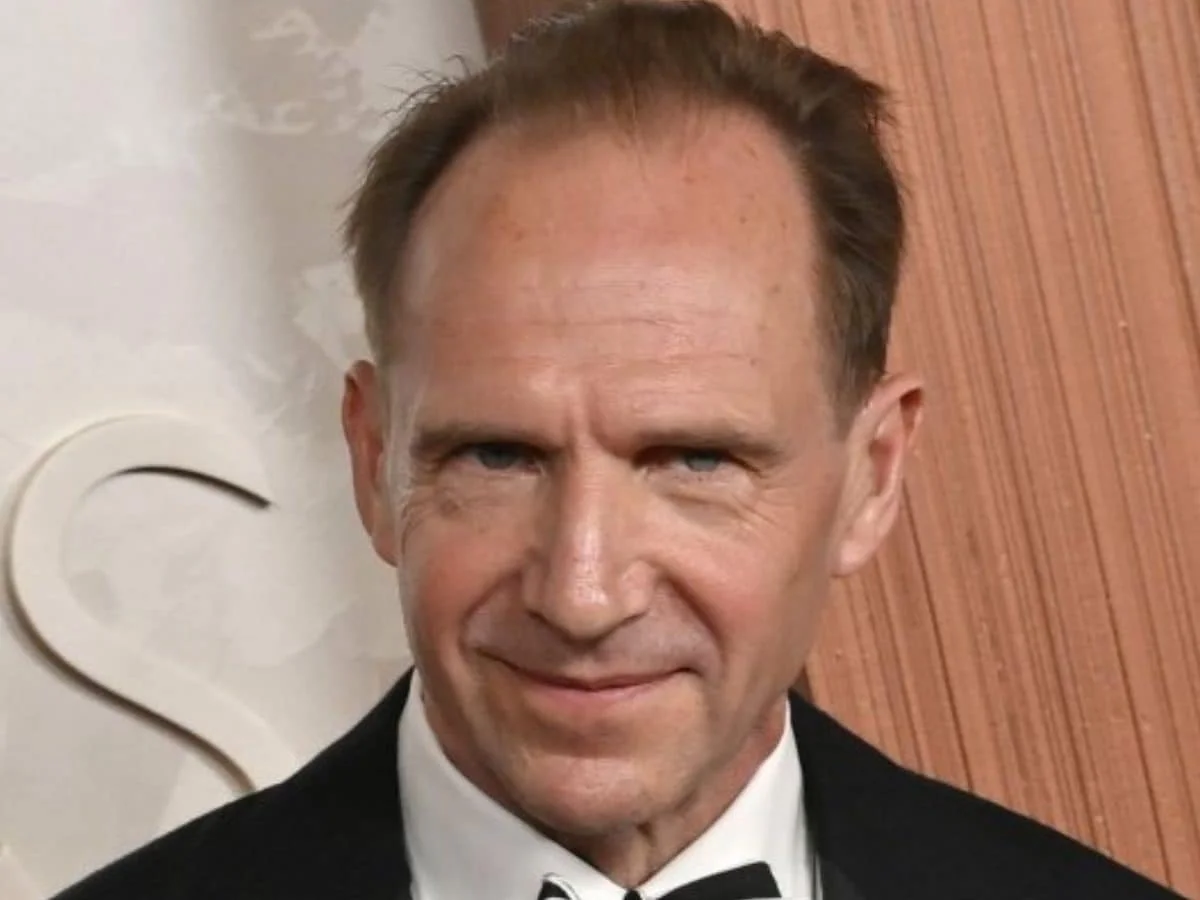
“I can say that the themes that we touched on in the scene on the train, the moment of labor, the humanity — it is a critical moment in the life of a mother and child,”
—Ralph Fiennes, Actor
The scene in question depicts an infected woman giving birth to a healthy, uninfected baby on a train. This moment raises important questions about whether humanity can survive in even the darkest situations, and if the infected retain any remnants of their original selves. Fiennes elaborated further:
“The ultimate human moment is an infected woman who is giving birth to a baby who is not infected. The theme of innate humanity — is it still alive in the soul, in the heart, in the mind of an infected person? Are they completely corrupted? Are they only rabid? Or is there the possibility of something? Something human, it’s still there.”
—Ralph Fiennes, Actor
Alongside the exploration of hope and survival, Fiennes acknowledged the darker aspects that run through the new film:
“We carry in us the potential for terrible destruction and pain. That theme is picked up very strongly in the next film.”
—Ralph Fiennes, Actor
Complex Characters and Creative Vision Behind The Bone Temple
The Bone Temple, which will be penned by the franchise’s established screenwriter and Ex Machina director Alex Garland, promises to deepen the examination of humanity’s extremes through a zombie apocalypse lens. In addition to Ralph Fiennes, the cast will include Alfie Williams and Aaron Taylor-Johnson reprising their roles. Notably, Cillian Murphy will return to the series for the first time since his career-defining turn in 28 Days Later.
Further expanding the cast, the sequel welcomes Jack O’Connell of Sinners fame, who steps into another intense, villainous role, cementing his status as a recognized English actor. The Bone Temple will mark a directorial shift, with Nia DaCosta, best known for Candyman and The Marvels, taking the helm instead of Danny Boyle. Jodie Comer is also set to portray Isla, bringing more variety and depth to the evolving ensemble.
Trilogy Plans Dependent on Audience Response
Planning for the third and final chapter of the 28 Years Later trilogy appears to hinge on the commercial success of the franchise’s latest chapters. While Danny Boyle is expected to return to direct the concluding film, the project is not yet fully greenlit, making box office performance for 28 Years Later and The Bone Temple crucial for the future of the series. Fans around the world, now experiencing the latest release in theaters, will help determine if these ambitious plans move forward.
The evolution of the 28 Years Later saga underscores its unique place in cinematic history, both for its influence on global zombie storytelling and the way it tackles profound questions about what it means to be human under extraordinary circumstances. As anticipation builds for The Bone Temple, audiences can expect more unflinching drama, bold performances, and provocative ideas that continue to challenge the boundaries of the genre.
