
Taylor Sheridan, the mastermind behind the acclaimed series Yellowstone, is facing increased criticism for leaving a major plot inconsistency unresolved: the Yellowstone Train Station plot hole. Despite the show’s worldwide popularity, fans say Sheridan’s failure to address this glaring issue surpasses even controversial moments like John Dutton’s tragic end.
Major Flaws Overshadow Yellowstone’s Success
Since Yellowstone debuted in 2018, Taylor Sheridan has received widespread attention for creating the captivating world of John Dutton and his family. However, as the series advanced, loyal viewers noticed several inconsistencies that gradually eroded their faith in the show. Among these, the mysterious Train Station, also referred to as the Long Black Train, stands out as the most problematic, with fans rallying online to express their disappointment and frustration.
The Train Station is portrayed as a secluded canyon where the Dutton family disposes of their enemies. Supposedly, the area falls outside any official jurisdiction under U.S. law. Despite its crucial role in the story and multiple instances of bodies being dumped there, the plot never addresses how the site could go undiscovered, even as years—later seasons confirm a full century—tick by. The show’s narrative claims that, from the first season through to season five, not a single traveler, authority figure, or local stumbles upon this grisly scene, which many find implausible.
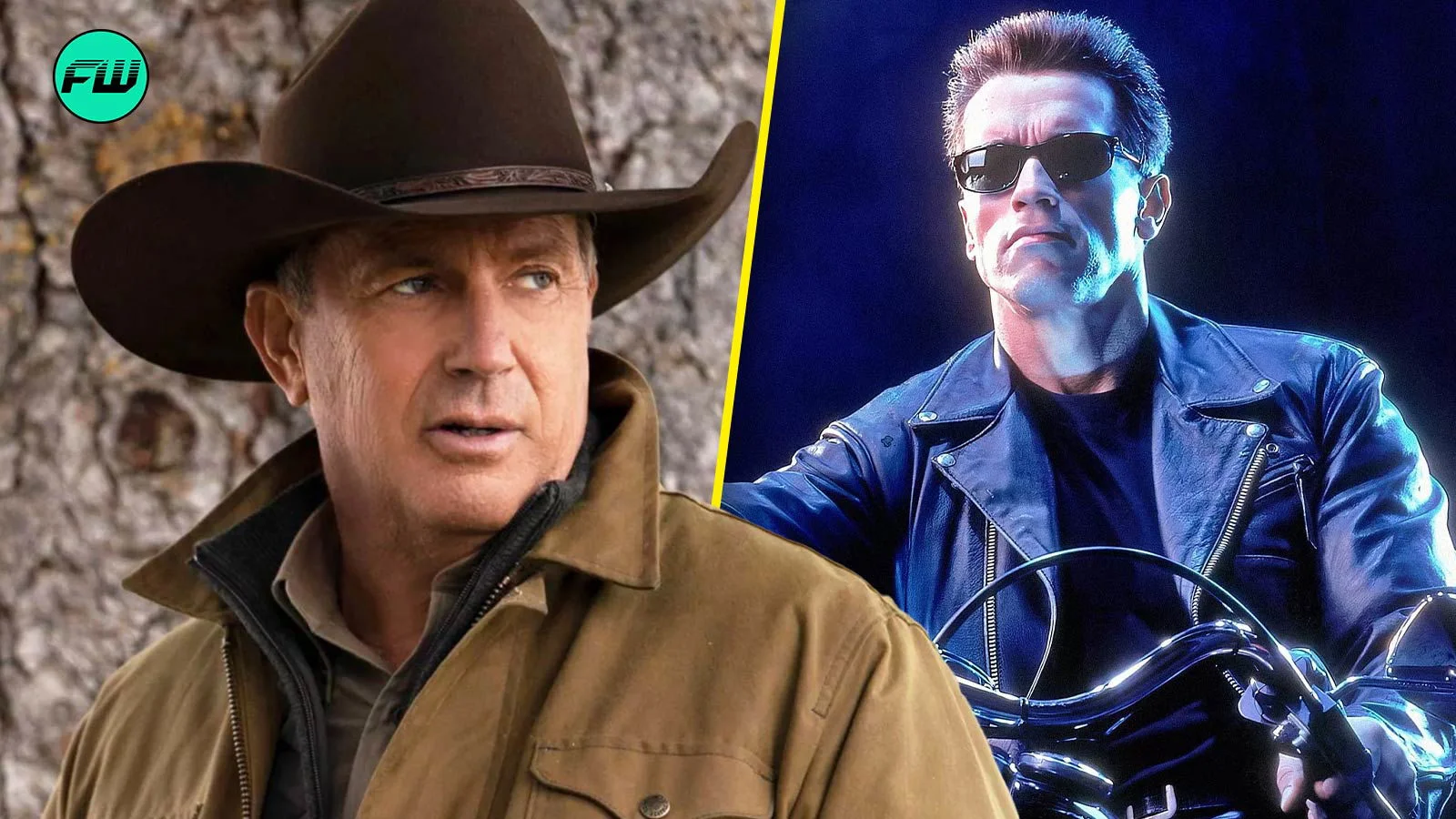
The canyon is described as open land accessible to more than just the Duttons, yet remains untouched by authorities, tourists, or random explorers. This ongoing lack of discovery seems to stretch the limits of believability, with many questioning how such a significant location avoided exposure, especially given its use for over a hundred years.
Historical Context Adds to the Outrage
Yellowstone’s own storyline in its prequel series 1923 reveals that Donald Whitfield originally discovered the Train Station, using it as a secret dumping ground for the Dutton family’s victims. With the Duttons’ adversaries meeting their demise here for generations, the plot assumes that, in a full century, not one person happened across what would likely be a notorious crime scene. This assumption has drawn harsh criticism from longtime viewers and casual fans alike.
Online forums such as Reddit have become gathering grounds for fans to debate and dissect the show’s most egregious inconsistencies. Many argue that such an elaborate location, filled with evidence of unsolved killings, could never remain hidden in the real world. Yellowstone’s assertion otherwise, they say, insults viewers’ intelligence and undermines the show’s celebrated realism.
The Dutton Family Saga: John Dutton’s Death Sparks More Backlash
While complaints about the Train Station plot hole mount, another major point of contention emerged in season five: the death of Kevin Costner‘s character, John Dutton. Episode nine features John Dutton dying from a gunshot wound to the head under mysterious circumstances. While framed as a suicide, the reality is hinted to involve foul play, uncovered through Kayce’s involvement in the autopsy process.
The scene itself further fueled anger, as John Dutton’s death was depicted with minimal focus on the character, showing only his torso and failing to give audiences a proper farewell. This approach angered those who had followed the character’s journey since the show’s inception.
Reactions were swift and fierce on social media, with many feeling the character deserved a more heroic or emotional exit. The decision to kill Dutton in this manner, following behind-the-scenes issues between Kevin Costner and Taylor Sheridan, intensified the backlash and left fans dissatisfied with the show’s direction.
John Dutton deserved to go out like a gladiator, not a victim. Completely undoes the series. I’m not a fan at all how #Yellowstone handled Costner’s departure. pic.twitter.com/mECsM6gluf — @Matthew Betley, (@MatthewBetley)
Even thought we know KEVIN COSTNER wasn’t supposed to come back for the rest of #Yellowstone. The way to end his character was just dumbfounded and lazy. Could’ve been a better way or he just could’ve rode off into the sunset. #YellowstoneTV pic.twitter.com/5JhPPCoscl — MISTER FILM STOCK, (@mrfilmstock)
Truly sad that John Dutton would be killed off of #YellowstoneTV by suicide. Kevin Costner IS #Yellowstone . Shame on you Taylor Sheridan. Boooooooo!!! He deserved better. And he should’ve been on this season. America can vote you out too! pic.twitter.com/qDLSI9XONZ — Nine, (@ninewontmiss)
The Continuing Legacy and Unanswered Questions
For many, the unresolved nature of the Train Station plot hole overshadows grievances surrounding John Dutton’s death. Although viewers widely disapproved of the character’s exit, some now argue that this plot device feels more plausible than the unexplained concealment of a century-old mass dumping ground. The combination of these critiques has left the audience questioning Taylor Sheridan’s storytelling choices and the reliability of Yellowstone’s world-building.
Concerns about the show’s writing extend beyond these incidents, with critics accusing Sheridan of using stereotypes and relying on lazy storytelling at multiple points throughout Yellowstone’s five seasons. The repeated oversight of major inconsistencies, coupled with controversial character resolutions, has led many fans to doubt Sheridan’s future projects and the narrative foundation of any new Yellowstone-related series.
Despite its immersive landscapes and dramatic storylines, Yellowstone’s reputation now contends with unresolved criticisms prominent across fan bases and online platforms. Viewers around the world continue to express both frustration and disbelief over the Train Station plot hole, fueling ongoing discussions about the series’ legacy and how it should be remembered.
Yellowstone remains available for streaming on Peacock in the United States, but the shadow of its unresolved storytelling choices lingers over the show’s enduring popularity.
