
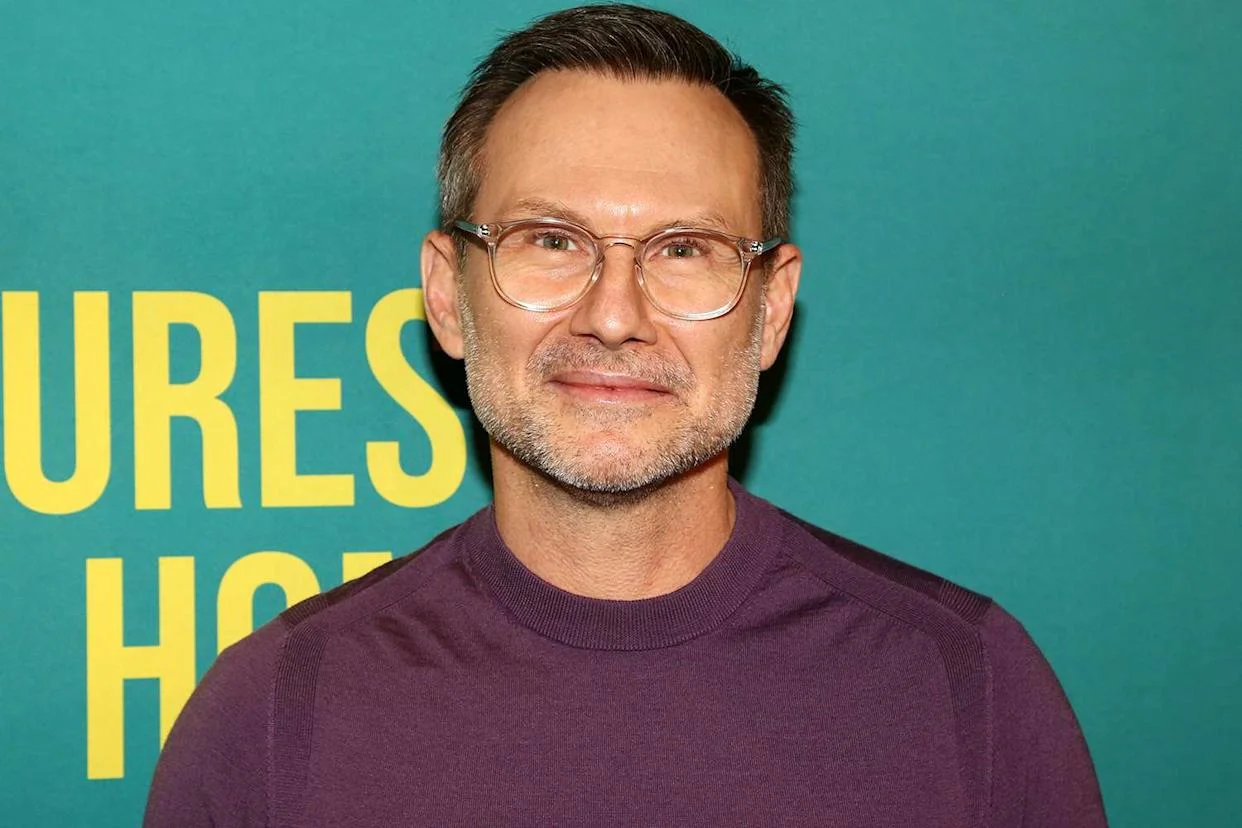
On the anniversary of its groundbreaking debut, Christian Slater reflects on the enduring significance of Mr. Robot—a show that captured the tension between technology, society, and personal connection. Since its premiere on USA Network in June 2015, the series, created by Sam Esmail and starring Rami Malek as the troubled hacker Elliot, has continued to resonate as its predictions about the digital world have grown ever more relevant. The Christian Slater Mr. Robot anniversary brings renewed attention to the show’s prescient warnings and its complex characters caught in struggles that mirror real-world issues.
An innovative launch and cultural reception
From its earliest days, Mr. Robot set itself apart by making its pilot available online before its television debut, amassing over 2.6 million views before officially airing. Slater, who portrayed the titular character, remarked,
“That show was ahead of its time, man,”
referring to the current landscape dominated by topics like surveillance and the growth of artificial intelligence.—Christian Slater, Actor. The series, deeply influenced by Esmail’s vision, captivated not only fans but also critics, whose reviews propelled it to a rare perfect score on Rotten Tomatoes for its pilot episode.
Rami Malek, who brought Elliot to life, once remarked,
“It astonishes me how well Sam Esmail, our brilliant creator, can foresee the future. But that’s also troubling.”
—Rami Malek, Actor. The show‘s narrative, built around a hacker collective targeting the fictional conglomerate E Corp, reflected anxieties about powerful tech companies. The setting and complex plotlines gave viewers both thrilling action and social commentary.
Building chemistry and memorable moments on set
According to Slater, the show‘s chemistry was present from the beginning.
“It felt special from the beginning,”
Slater recalled, referencing the early scenes filmed on location at Coney Island.
“It started off with me and Rami sitting in the Wonder Wheel [at Coney Island] doing all those scenes together. And that was the perfect way to start it. It put us together in close quarters where we couldn’t help but get to know each other and how it was we both like to work. So that was a wonderful accident.”
—Christian Slater, Actor. These early collaborations not only shaped the on-screen dynamic but also contributed to the show‘s authenticity.
Slater added,
“It was exciting. And it just drew the two of us together. So I think it just helped with our chemistry throughout the show.”
—Christian Slater, Actor. Working closely together deepened the bond between Slater and Malek, and their on-screen interactions became a highlight of the series for fans and critics alike.
Immediate acclaim and audience connection
With a compelling pilot and a strong online presence, Mr. Robot rapidly gained a dedicated fan base. The show’s unique blend of psychological drama and modern tech critique earned it 13 Emmy nominations in its run, including three wins. Malek’s performance, in particular, struck a chord with viewers, with Malek stating,
“It struck a nerve with people,”
after the initial season.—Rami Malek, Actor. He explained,
“I don’t know what everybody’s yearning for, but it’s something they could identify with. This cause. I think an unlikely hero in these times is something people wanted to connect to and were ready for.”
—Rami Malek, Actor. The sense of watching misfits and outsiders strive for meaning resonated deeply, making the series not just a tech thriller but a commentary on belonging and purpose.
The series stood out for offering, as Malek put it,
“many characters who were on the fringes of society trying to find their way in, and I think that’s something people just got charged by.”
—Rami Malek, Actor. The ensemble cast embodied individuals confronting alienation in a high-tech society, which further enhanced the show’s appeal.
Staying relevant in a changing world
Over four seasons, Mr. Robot blended its fiction with real technological anxieties. Malek noted how working on the show made him more cautious, especially about sensitive conversations:
“There are days when I haven’t gotten on the phone to share my notes with Sam. I’m that paranoid now that might even call him from a landline somewhere. Sometimes I’ll see if I can find a random New York payphone to use. I’m not so paranoid that I go to those lengths every day, but I’m often questioning my method of communication.”
—Rami Malek, Actor. The authenticity of these worries was reflected in the show’s storytelling, as cast and creator regularly discussed the divisive nature of technology during production.
Malek further discussed how technology connects and isolates, saying,
“We talked about it on set quite a bit: we wonder if people are going to get turned off by technology by the end of the show. It does ask you if you’re connected or if you’re disconnected, or is this world that you live on – that we we all live on – sitting behind a monitor, is this bridging us, or is this driving us even further apart?”
—Rami Malek, Actor. These debates remain as relevant now as they were when the show aired, echoing broader concerns about social media, surveillance, and digital alienation.
The show’s lasting significance and future perspectives
As Mr. Robot reaches the milestone of a decade since its pilot, its portrayal of hacking and personal struggle continues to grip new audiences. Malek described its core, stating,
“It was a show that got delivered to me as this hacking story,”
then clarified,
“But before all of that, it’s the story about how we connect as humans and how difficult it can be for some people.”
—Rami Malek, Actor. This dual focus on both the digital and the deeply personal lies at the heart of its ongoing influence.
Slater, who won a Golden Globe for his performance, still considers the series a defining moment in his acting journey.
“I was definitely proud of the show,”
he said.—Christian Slater, Actor.
“It was wonderful to be on that ride.”
—Christian Slater, Actor. The Christian Slater Mr. Robot anniversary marks not only a celebration of a landmark television achievement, but also a reminder that the show’s warnings about technology, identity, and human connections are more urgent than ever. As society continues to grapple with these issues, the impact of Mr. Robot endures, inspiring discussion and reflection in a connected yet often divided world.
