
Johnny Depp has revealed the pain of betrayal from some of his closest associates during the turbulent Amber Heard trial, as he described a personal sense of “death by confetti,” illuminating the complexity and emotional toll of the Johnny Depp betrayal Amber Heard trial. Recently, Depp shared how friends and longtime allies, including his agent of three decades, turned on him when support mattered most in his defamation fight, spotlighting broader issues of loyalty and survival in Hollywood.
Heartbreak and Double Cross Amidst the Courtroom Drama
For years, Johnny Depp carried the weight of both cinematic and personal chaos, but the defamation trial against Amber Heard became a defining chapter of real-life treachery. The actor, historically celebrated for inhabiting unpredictable roles—from pirates to poets—found himself navigating a betrayal far more haunting than anything conjured on set. Rather than coming from adversaries, the wound came from those once trusted with his laughter and family moments.
Depp’s ordeal was heightened not only by the legal spectacle, but by allies who shifted allegiances just when camaraderie was most crucial. The betrayal, as he phrased it, felt like “death by confetti”—a moment where apparent celebration concealed sharper intentions. Among the three individuals he accused, most poignant was his agent of thirty years, who provided damaging testimony against him in court.
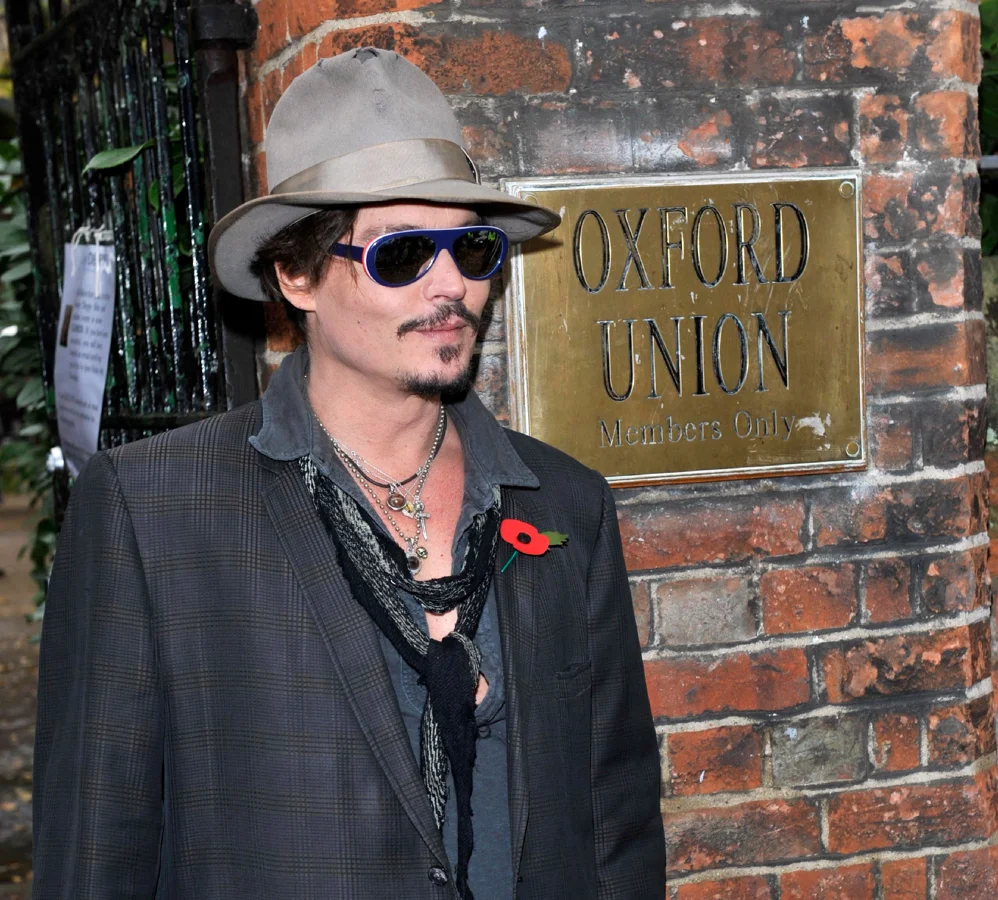
“I was with one agent for 30 years, but she spoke in court about how difficult I was. That’s death by confetti, these fake motherf***ers who lie to you, celebrate you, say all sorts of horror behind your back, yet keep the money — that confetti machine going — because what do they want? Dough.”
—Johnny Depp
The emotional weight Depp bore extended to reliving personal trauma: from old childhood wounds to the suffocating glare of public scrutiny and his intense experience on the witness stand. The betrayal he experienced was not sudden, but rather the slow, corrosive kind, masked by smiles and industry rituals.
Industry Hypocrisy and Isolation in the Spotlight
Depp’s isolation deepened as many in Hollywood distanced themselves or remained silent, prioritizing their own reputations over truth or loyalty. His experience became an unintended test case for the entertainment industry at large, reflecting not just personal loss, but a broader cultural shift. He observed how those who once mingled at birthday parties with his children—trusted “double agents”—were quick to retreat or criticize when trouble began to brew.
“And I sponged it, took it all in. And so I wanted from the hundreds of people I’ve met in that industry to see who was playing it safe.”
—Johnny Depp
Many colleagues, Depp explained, appeared more intent on protecting their public images—choosing to act “woke” or “play it safe” rather than stand with him during controversy. The actor recounted being treated as a “crash test dummy for MeToo,” expected to endure criticism while others “ran for cover.” This left Depp not only embattled in court but also increasingly distanced from a community he knew for decades.
Despite the adversity, Depp insisted he would not be silenced by public relations calculations or industry groupthink. Each new project undertaken after the trial—such as his upcoming film “Day Drinker”—serves as a testament to his refusal to be sidelined by betrayal or scandal. He leverages career setbacks into creative momentum, using his enduring celebrity as both shield and stage.
“I’m still here, and I’m still the main act.”
—Johnny Depp
The Uncomfortable Truths of Hollywood’s Changing Morality
Depp further critiqued the surface-level morality he observed within the entertainment world, where the pressure to maintain appearances often overrides real loyalty or honesty. After years of stardom, he described a new version of Hollywood focused more on image, trend-chasing, and viral moments than on authentic relationships or artistry. In candid conversations, Depp openly compared the Hollywood of his youth—one that revered film and craft—to an industry willing to discard long-standing alliances for the sake of “optics.”
He remembered how, while he weathered public attacks, others dismissed the seriousness of his plight.
“Everyone was saying, ‘It’ll go away!’”
—Johnny Depp recalled hearing repeatedly. But he didn’t trust this acquiescent optimism.
“But I can’t trust that. What will go away? The fiction pawned around the f***ing globe? No it won’t.”
—Johnny Depp
The disregard Depp encountered extended beyond individuals to systemic changes in how the industry handles controversy. To him, Hollywood’s reliance on safe answers and scripted reassurances is a betrayal to both creative spirit and genuine connection. What hurt most was not just being hurt, but realizing how easily former friends adapted to the narrative, even as he found himself forced to defend his legacy and personhood before an audience of millions.
Depp’s bitterness towards industry hypocrisy becomes particularly clear as he laments how reality television and influencer culture have reshaped stardom, grumbling about a world where
“some f***ing guy from f***ing Podunk, Iowa, can get his own show”
—Johnny Depp, highlighting what he regards as a loss of authenticity in modern entertainment.
Resilience and Reinvention In the Aftermath of Betrayal
Despite the sense of abandonment, Johnny Depp continues to resist the pressure to redefine himself in someone else’s narrative. The betrayal and criticism he faced during the Amber Heard trial have only strengthened his resolve not to become a passive figure in Hollywood’s shifting storylines. Instead, Depp has redirected his energies toward projects that prioritize his own voice and independence.
Even if that means stepping out of the spotlight, he embraces the idea—with characteristic defiance—of a simpler life.
“If I end up pumping gas? That’s all right,”
—Johnny Depp says, expressing a willingness to start over if necessary and refusing to let public opinion dictate his next chapter.
The saga surrounding Johnny Depp’s trial and the resulting betrayals from longtime friends, industry peers, and close associates has crystallized a new outlook for the actor. Rather than bending to the weight of rumors or the manufactured realities of social media, he insists on retaining ownership of his journey, regardless of whether the world is still watching. For many observing the Johnny Depp betrayal Amber Heard trial, his story is now one of both caution and tenacity—an emblem of the personal costs of celebrity and the hard truth about trust in Hollywood.
