
Pedro Pascal recently shared his reasoning for removing a helmet-less scene from season 2 of The Mandalorian, emphasizing the importance of such moments for Din Djarin and Grogu’s relationship. This decision sheds light on how the creators, including showrunner Jon Favreau, carefully handle the use of helmet-less scenes to deepen the impact on both the audience and the characters, making the Pedro Pascal Mandalorian helmet-less scene especially significant within the series’ narrative.
Pedro Pascal Discusses the Decision to Remove a Scene Without the Helmet
Throughout The Mandalorian’s run, fans have eagerly anticipated chances to see Pedro Pascal’s face as Din Djarin, a rare event in the Star Wars universe. Pascal himself has been thoughtful about this, previously revealing that he requested a helmet-less scene in season 2 be omitted from the final cut. In a recent conversation with Vanity Fair, Pascal elaborated on his reasoning and the creative process with Jon Favreau during the show’s pivotal moments.
“Pedro Pascal: Jon Favreau is so collaborative that I remember having a conversation and there was an episode… it was before [The Mandalorian season 2 finale]. And maybe he had already had this planned already, but I remember talking to Jon and saying, ‘If there was a moment where I took off the helmet, I think we should really hold off, and it should be because the Child needs to see my face, breaking the Creed completely just because I want to introduce my soul to Grogu.'”
This conversation reveals that Pascal wanted the unveiling of Din Djarin’s face to coincide with a profound emotional moment shared with Grogu, highlighting the “father and son” bond and giving weight to the breaking of the Mandalorian Creed. While he originally had a different context in mind for this helmet removal, he ultimately supported Favreau’s decision to save it for Din and Grogu’s touching farewell in the season finale.
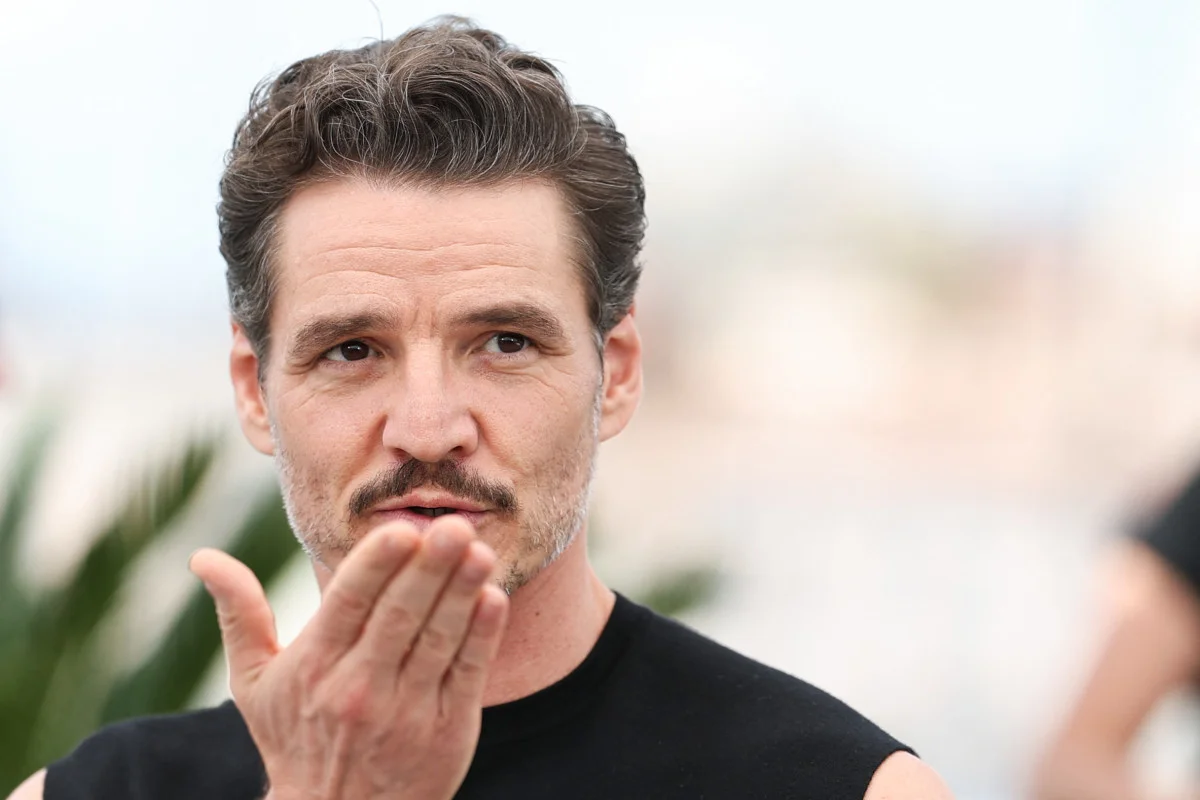
“Pedro Pascal: My idea was in a different spot, and then Jon ended up making it a much, much, much better part of the series, but I really felt heard, and it was really special for it to become the moment that it became, because it was somewhat of a collaborative thing.”
This sense of collaboration reaffirmed what Pascal has often expressed regarding the creative freedom afforded to him, allowing emotional moments to stand out within the broader story. The helmet-less scene that did make it to the screen not only honored Din’s connection to Grogu but also underlined the fundamental sacrifices and choices that define the Mandalorian character.
The Importance of Helmet-Less Scenes in The Mandalorian
For both viewers and the creative team behind The Mandalorian, helmet removals are not simply fan-service—they represent values central to the show’s themes. Pedro Pascal, Favreau, and their colleagues recognize that these moments cannot be included lightly, as they reflect the character’s deepest vulnerabilities and choices. Din Djarin’s rare, unmasked appearances symbolize a departure from tradition for the sake of love and understanding, especially with Grogu.
Recent set photos and discussions surrounding the upcoming The Mandalorian and Grogu movie continue to fuel speculation about where Din’s story may go, but the foundation remains firmly rooted in the meaning and rarity behind each helmet-less scene. The decision to delete the extra scene in season 2 demonstrates the thoughtful consideration given to Din’s story arc, especially in contrast to narrative choices made in later seasons that have been more divisive among fans.
In season 2’s finale, the farewell between Din and Grogu provided the impact and emotional resolution that Pascal and Favreau both strove for, reinforcing the special connection between the two characters and allowing Grogu—and the audience—to truly “see” the Mandalorian’s soul.
Details and Context Around the Deleted Scene
While curiosity remains high about what specifically happened in the deleted sequence, Pascal gave further information during an interview with Variety in 2023. He described how the scene in question would have occurred during “The Believer” episode, when Din Djarin wears Imperial armor as a disguise. Observers believe that the removed scene may have originally depicted Din having a moment alone as he swaps his Mandalorian helmet for the Imperial one, likely ahead of the later, more public unmasking inside Morak’s Imperial refinery.
Though this moment might have provided insight into Din’s internal conflict, Pascal’s insistence on saving the reveal for Grogu’s sake prevented the risk of diminishing its significance. Scenes of this nature serve as milestones in the character’s emotional evolution, and including them too frequently could weaken the emotional resonance that defines the Mandalorian’s journey.
The discourse online frequently returns to the question of Pedro Pascal’s true presence beneath the Mandalorian armor. However, his advocacy for the helmet-less scene to occur at a specific, meaningful time confirms his deep involvement in shaping Din Djarin’s portrayal. As to exactly when Pascal hoped the unmasking for Grogu would take place—perhaps after boarding Moff Gideon’s ship, or even prior during their time on Corvus—remains part of the enigma surrounding the creative choices in The Mandalorian’s second season.
Further fueling fan speculation, the ensemble cast—including Katee Sackhoff as Bo-Katan Kryze—continues to play a pivotal role in these complex character arcs. With each season, the series builds on its core relationships and rich lore, exemplified by the collaboration between actors, creators, and the story they tell.
Looking Ahead: Significance of Pascal’s Choice for the Series
The removal of the helmet-less scene at Pedro Pascal’s behest has lasting importance for the series, underlying the discipline and intention brought to major story beats. For Din Djarin, every time he shows his face is both a narrative and emotional turning point, especially in relation to Grogu, the Child. The partnership between Pascal and Jon Favreau demonstrates a careful stewardship over the central Mandalorian story, balancing what the audience hopes for against choices that best serve the characters’ journeys.
As The Mandalorian continues to evolve, each decision around Din’s character—particularly those involving the helmet and his bond with Grogu—can be expected to undergo this same level of scrutiny. The resonance of moments like the season 2 farewell is a testament to these choices, and suggests that upcoming stories will continue to prize meaning and emotional depth over spectacle or repetition. With the next adventures of Din and Grogu awaiting, the foundation set by decisions like these ensures that the show will retain its unique voice within the vast Star Wars universe.
