
The story of the Clint Eastwood Brokeback Mountain Oscar snub has come into sharp focus after Diana Ossana, the film’s co-writer, revealed a key moment that exposed underlying prejudice in Hollywood. Two decades after Brokeback Mountain’s Oscar defeat, Ossana’s account clarifies how a lack of industry support and bias ultimately determined the film’s fate.
How Brokeback Mountain Captivated Audiences and Awards Circuits
Released in 2005, Brokeback Mountain quickly became known not only for its compelling narrative about Jake Gyllenhaal and Heath Ledger’s characters but also for its challenge to conventional romance on screen. The film achieved critical acclaim and took home most major accolades during awards season, including the Golden Globes and the BAFTAs. It entered the Academy Awards as the clear favorite to win Best Picture, with audiences in the United States and beyond responding emotionally to its story about two men forging a complicated love amid societal pressures.
Yet, beneath the enthusiastic public reception, Brokeback Mountain faced a different climate within the Hollywood establishment. According to Diana Ossana, entrenched attitudes among certain industry members were a significant obstacle that went beyond the film’s artistic merit.
Clint Eastwood’s Unseen Vote and the Shattering of Oscar Hopes
Looking back at the crucial weeks leading up to the 2006 Oscars, Diana Ossana recalled a pivotal scene at director Paul Haggis’s home, host of a party for Oscar nominees. Clint Eastwood, an influential Academy member and respected figure in Hollywood, was present. Ossana, a longtime admirer of Eastwood’s work in films like Unforgiven, was eager to meet him. However, she was struck by a revelation before their introduction.
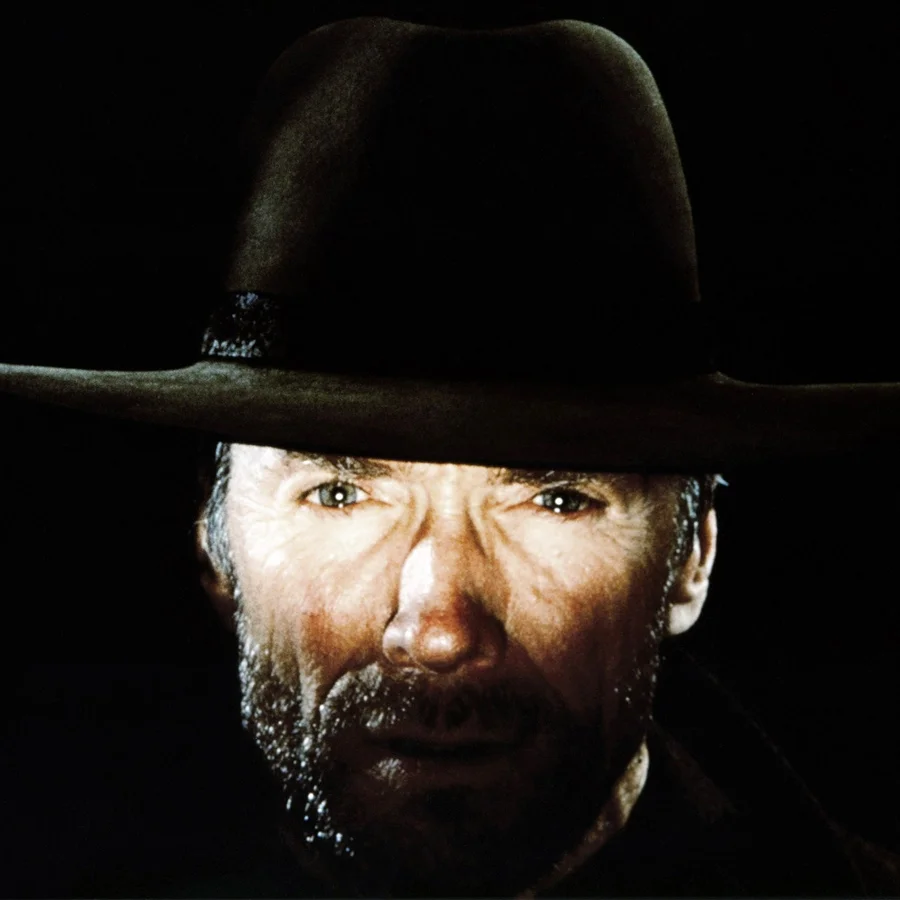
Weeks before the ceremony, after Oscar voting was closed, she attended a party for the nominees at the home of Paul Haggis, the director of ‘Crash.’ Clint Eastwood was in attendance and Ossana, a fan of ‘Unforgiven,’ was eager to meet him.
At this gathering, Paul Haggis stopped Ossana, sharing bluntly that Eastwood hadn’t seen Brokeback Mountain prior to voting. This realization struck Ossana deeply, suggesting major Academy members were casting votes without watching all contenders. In that moment, she sensed that Brokeback Mountain’s prospects for Best Picture were slipping away, regardless of its widespread popular acclaim and prior awards.
Paul started walking me over and he goes, ‘Diana, I have to tell you, he hasn’t seen your movie.’ And it was like somebody kicked me in the stomach. That’s when I knew we would not win Best Picture.
Despite its repeated victories throughout the awards circuit, Brokeback Mountain ultimately lost the Best Picture Oscar to Crash, a result that surprised many industry watchers and sparked new discussions about the underlying dynamics at play within the Academy’s voting ranks. This Oscar outcome underscored that, for some, tradition and lingering personal biases overshadowed critical and audience approval.
Diana Ossana’s View: Industry Homophobia Undermined the Film
When reflecting on these events years later, Diana Ossana spoke openly about her belief that homophobia cost Brokeback Mountain the Academy’s top honor. She highlighted that, while Jake Gyllenhaal and Heath Ledger’s performances earned widespread admiration, their portrayal of a gay couple faced silent resistance within certain circles of Hollywood’s voting body.
Brokeback Mountain’s consistent winning streak across major pre-Oscar ceremonies set expectations high for an Academy Award, but the results did not follow. For Ossana and many supporters, this disconnect was evidence of persistent institutional bias in the industry, rather than a measure of the film’s quality or cultural relevance.
People want to deny that, but what else could it have been? We’d won everything up until then.
Ossana’s belief was not based simply on speculation. She referenced well-known examples of Academy members who had openly refused to watch Brokeback Mountain. Veteran actors such as Ernest Borgnine and Tony Curtis explicitly declined to see the film, expressing views that aligned with Hollywood’s older, more conservative guard. Tony Curtis notably invoked the likes of John Wayne and Howard Hughes as examples of stars who would have disapproved of the film’s theme.
Howard Hughes and John Wayne wouldn’t like it… This picture is not as important as we make it. It’s nothing unique. The only thing unique about it is they put it on the screen. And they make ’em [gay] cowboys.
These statements, reported by outlets like Newsmax, offered tangible proof that resistance to Brokeback Mountain didn’t just exist at individual levels, but was emblematic of an entrenched industry stance against queer narratives at that time.
Audience Responses Contrasted Industry Attitudes
While elements of the Academy were hesitant, the general public’s reactions painted a different picture. Diana Ossana visited places such as South Dakota and Missouri during Brokeback Mountain’s release to observe audience reactions first-hand. Theaters were frequently filled, with moviegoers expressing both curiosity and emotional connection to the story. Although some individuals left during the film’s intimate scenes, the majority remained absorbed, visibly moved by the characters’ struggles and heartbreak.
The theaters were all packed because everybody was so curious about this movie. And when the s*x scene between the boys came on, you’d see some people got up and left, but not very many.
At the end of the film, nobody would leave. They would just sit there nailed to their seats until the lights came on, and there would be people crying.
This first-hand evidence from Ossana demonstrated that, outside the Academy’s walls, audiences recognized Brokeback Mountain for the groundbreaking story it was. In numerous venues, viewers gave the film a heartfelt reception, remaining in their seats well after the credits rolled, many overcome with emotion and even tears.
Brokeback Mountain’s Place in Hollywood’s Legacy
Despite the Clint Eastwood Brokeback Mountain Oscar snub and the emotional setback described by Diana Ossana, the film has since gained recognition for its cultural impact. Many see its loss at the 2006 Oscars as emblematic of historic biases within the film industry — particularly as the movie had garnered such acclaim from both audiences and critics worldwide.
The defeat did not diminish the film’s legacy. Actors Jake Gyllenhaal and Heath Ledger are often mentioned among those who helped change perceptions of LGBT characters on screen. Director Ang Lee’s work on the film is still referred to as a turning point in cinematic storytelling, with Brokeback Mountain continuing to find new viewers through modern streaming platforms like Prime Video.
The events around the Oscar race, involving key figures like Clint Eastwood, Paul Haggis, Ernest Borgnine, and Tony Curtis, have spurred ongoing dialogue about Academy voting and the importance of confronting bias in Hollywood. As the industry moves forward, the Brokeback Mountain case remains a reference point for advocates seeking equality and transparency in the film awards process.
In retrospect, the story behind Brokeback Mountain’s Oscar snub is not just about the outcome of a single awards show, but about a broader call for change in how the industry recognizes stories that challenge established norms. The controversy surrounding the Oscar loss serves as a reminder that, behind every accolade or omission, there are deeper cultural currents shaping the trajectory of Hollywood’s most influential works.
