
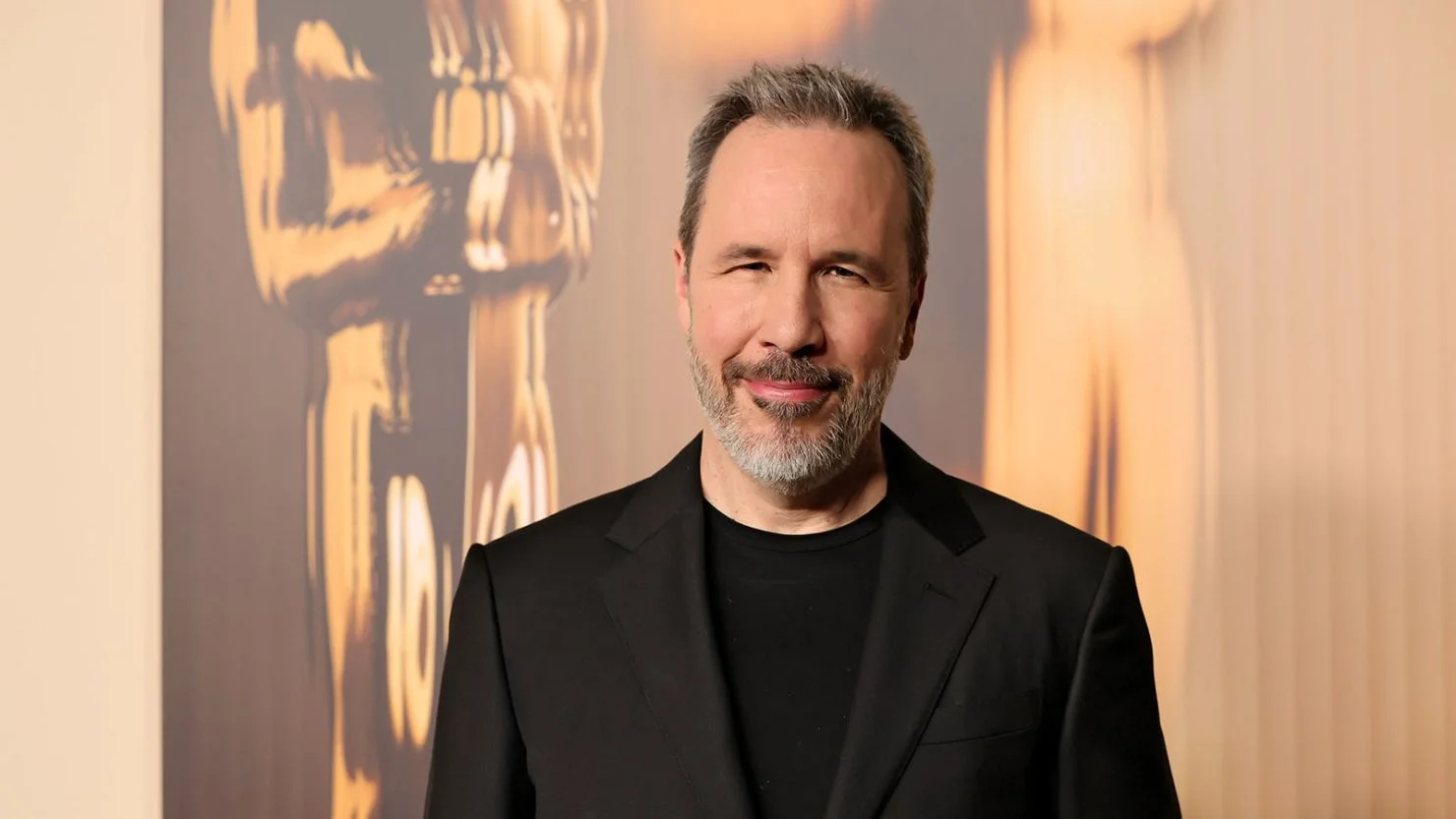
Denis Villeneuve is confirmed as the new director for the upcoming James Bond film, marking a significant turning point for the storied franchise. The choice of Villeneuve, celebrated for his work on films like “Prisoners,” “Arrival,” and the “Dune” series, signals Amazon’s intent to reshape 007’s future and revive excitement around a legacy that seemed at risk of fading.
A New Direction for James Bond
After years of anticipation with little certainty about the next chapter in the Bond saga, news broke that Denis Villeneuve would take the helm of the next installment in the iconic series. This appointment comes amid Amazon’s stewardship, shifting creative control away from the long-standing hands of Michael G. Wilson and Barbara Broccoli. Villeneuve’s reputation as one of Hollywood’s top blockbuster specialists brings hope that he can inject fresh energy into a series that has, at times, appeared to wander from its roots.
Under the previous team, James Bond saw both high and low points. Martin Campbell’s reboots, particularly “GoldenEye” for Pierce Brosnan and “Casino Royale” for Daniel Craig, stood out as franchise highlights. These films showed how new visionaries could successfully reintroduce the character, challenging established expectations while attracting both devoted fans and newcomers. However, debate continues regarding the creative direction of Daniel Craig’s era, with some feeling that it drifted too far from the classic Bond flair, favoring a more somber tone and tightly interwoven continuity that sometimes weighed down the narrative.
The Challenges and Legacy of Previous Eras
Critics and purists have noted that Craig’s Bond leaned heavily into realism and seriousness, occasionally to the detriment of the franchise‘s traditional glamour and levity. Attempts to carry threads from one film to the next resulted in some installments, like “Quantum of Solace” and “Spectre,” being constrained by complex narrative ties, overshadowing their individual strengths. There was also the rare peak, such as with “Skyfall,” though even that film made deliberate choices to unmask some of James Bond’s enigmatic mystique.
Yet, inconsistency is nothing new for the series. Every Bond actor with a tenure longer than two films has faced both acclaim and criticism. While some films floundered—such as “Die Another Day”—others became deeply embedded in the cultural memory. These swings in quality highlight the franchise’s vulnerability to creative missteps, underscoring the challenge facing Villeneuve as he prepares to take control.
What Denis Villeneuve Brings to the 007 Universe
Villeneuve enters the world of Bond with a distinct background. Unlike some past directors whose previous work only loosely connected to the franchise’s style, Villeneuve has shown mastery across genres and scales. His adept handling of visually ambitious films like “Blade Runner 2049” and both “Dune” movies demonstrates not only technical prowess but also an ability to meet towering expectations — a critical trait given Bond’s storied legacy.
Notably, Villeneuve strives for practicality in his filmmaking, favoring real stunts and physical effects over reliance on computer graphics. This approach aligns with the Bond tradition of producing memorable, grounded action sequences, a hallmark that has often set the series apart from other franchises. Directors who handle stunt work directly, rather than delegating entirely, ensure a unique cohesiveness in action scenes — a strength Villeneuve has already demonstrated in his previous films.
Comparable only to directors like Christopher Nolan, Villeneuve’s holistic control of setpieces and scenes ensures both scale and intimacy. He delivers grand moments, like the epic sandworm scenes in “Dune,” but also more contained, personal confrontations as seen in the opening of “Blade Runner 2049.” This versatility could revitalize Bond action, bringing balance between spectacle and authenticity.
Fandom Roots and Creative Vision
It is no secret that Villeneuve himself is a longtime Bond fan, familiar with the nuances and deep-rooted lore of 007. Having grown up watching the famed spy’s adventures, he understands what fans cherish and what is essential to the character’s enduring appeal. This connection positions him to respect the series’ traditions while strategically weaving in new elements, striking a delicate balance between innovation and homage.
There is speculation about how much creative freedom Amazon will grant Villeneuve. While he is expected to retain substantial control — a likely precondition for his taking on the project — questions remain about the casting of the next Bond. Discussions have circulated about various candidates: Henry Cavill represents a visually traditional yet “safe” choice, while Aaron Pierre, despite potential as an action headliner, may not fit the classic Bond mold. The prospect of discovering a relatively unknown actor, someone enigmatic and physically convincing, could help the franchise reinvent itself without alienating its core audience.
Among the speculative suggestions, Josh O’Connor has been mentioned for his balance of rugged charm and storytelling ability. The physicality of the next Bond remains an open question, but capturing a sense of real-world elegance, danger, and mystery is crucial. Villeneuve’s likely preference will be for an actor who embodies Bond’s layered characteristics without relying excessively on conventional attractiveness or grooming.
Finding the Right Tone for a New Era
The tonal direction of the next James Bond film is a major topic of discussion — and concern — for both fans and critics. Craig’s films have been marked by a darker, more mature style, sometimes at the expense of the escapist fun and adventure that defined earlier generations of Bond. The question now is how much levity and entertainment value should return to the franchise. Villeneuve’s career has been defined by intense, often somber storytelling, carefully crafted for adult audiences.
While the franchise should not revert to the extreme lightheartedness or gadgetry of entries like “Moonraker,” there is a demand for balance. Blockbusters that stray too far from their roots or attempt to mimic the Marvel formula risk losing their identity — something Villeneuve is unlikely to do, but still must avoid. His strengths in technical craft and dramatic tension are clear, but he will need to introduce more “fun” into the world of 007 to keep younger viewers and longtime fans engaged.
The previous run risked distancing itself from family audiences, especially those with children, who may find the gray tones of Craig’s era less accessible. The challenge is to restore a sense of adventure and world-spanning intrigue while retaining enough grit to keep Bond’s signature sense of danger and enigma alive. Positioning Bond as both approachable and intimidating, glamorous and deadly, remains essential to capturing a broad audience.
What’s Next for Bond Under Villeneuve’s Direction?
The future of James Bond rests on Villeneuve’s ability to blend his artistic sensibilities with the requirements of blockbuster filmmaking. Financial pressures are mounting, as even popular franchises like “Mission: Impossible” have struggled at the box office in recent outings. For Bond to thrive, the film must appeal to a wide audience, delivering both spectacle and storytelling.
If successful, Villeneuve could set a new benchmark for future entries, potentially establishing a new standard for what a Bond film can achieve. The director, known for his meticulous attention to detail and bold creative choices, is poised to bring both reverence and renewal to a franchise that has always balanced innovation with tradition. Fans, both old and new, now await the next chapter with renewed enthusiasm, hopeful that 007 will once again captivate audiences worldwide.
