
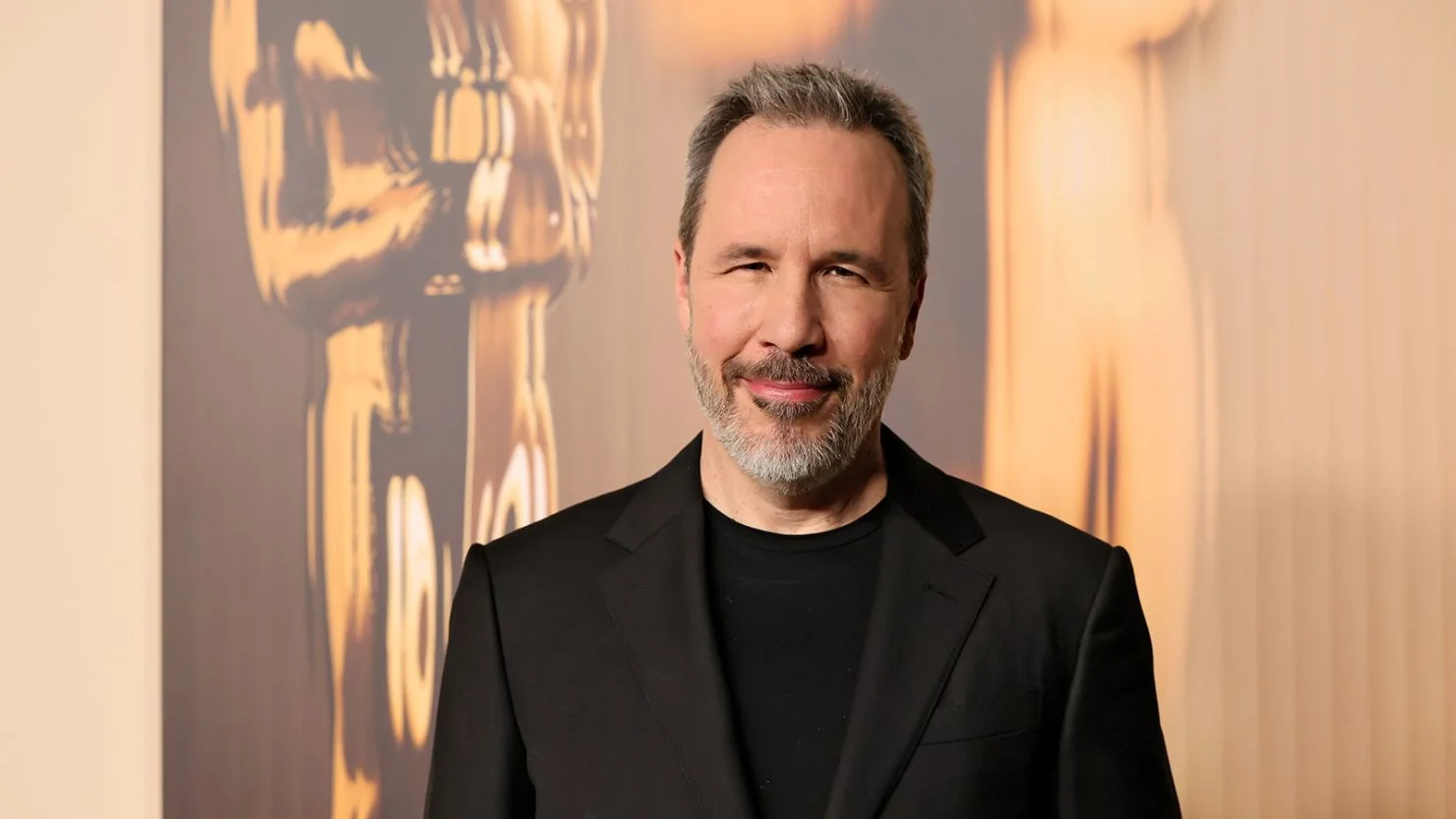
Denis Villeneuve, celebrated for his visually stunning films, has officially been chosen to direct the next James Bond movie, a pivotal decision that places him at the center of one of cinema’s most enduring franchises. As Villeneuve sets out to shape Bond’s 26th installment, the stakes are high for him to avoid the key flaws that affected his previous blockbuster, with critics and fans closely watching how he addresses the challenges in his Denis Villeneuve James Bond direction flaws.
Following acclaimed yet controversial work on the Dune duology, Denis Villeneuve has been entrusted by Amazon MGM to spearhead the new era of the legendary British spy series. His appointment comes after a rigorous search led by producers Amy Pascal and David Heyman, culminating in a press release in June 2025 that confirmed Villeneuve’s direction. While his cinematic vision brought vast spectacle and immersive worldbuilding to Dune, lingering concerns remain over whether similar creative choices could hinder Bond’s explosive and emotionally-driven legacy.
Villeneuve Faces the Challenge of Prioritizing Emotion Over Spectacle
The Dune films, inspired by Frank Herbert’s acclaimed novels and led by Timothée Chalamet as Paul Atreides, captivated audiences with their grandeur and stunning visuals. However, critical consensus pointed to a lack of emotional resonance, leaving Chalamet’s Paul often feeling boxed into the archetypal “chosen one” role without deeper personal stakes or complexity. This omission led to a narrative where spectacle outweighed the development of character and emotional connection.
For the James Bond franchise, which has survived generational shifts by evolving its central character, this presents a significant risk. Bond’s success has come not just from high-tech action, but from giving audiences a protagonist with nuance and vulnerability. Villeneuve has previously showcased his ability to craft multifaceted characters, notably in Sicario, where moral ambiguity and personal struggle formed the heart of the film. To maintain Bond’s cultural relevance, Villeneuve will need to infuse his vision with deeper character exploration, shifting away from the emotionally distant approach seen in Dune.
The creative team behind Amazon MGM’s Bond project, including producers like Amy Pascal and David Heyman, likely selected Villeneuve for his aptitude in storytelling and reinvention. Yet, the pressure now mounts for him to balance the franchise’s trademark action with a more profound character arc—something his Dune adaptation struggled to achieve, despite its positive reception.
Why Dune’s Slow Pacing Could Undermine Bond’s Thrill Factor
Villeneuve’s take on Dune, while praised for meticulous worldbuilding and visual elegance, has faced scrutiny for its deliberate pacing. Both films began with initial bursts of action but soon shifted attention to political intrigue, modifying or omitting key scenes from Frank Herbert’s source material. These artistic choices led to widespread criticism that the adaptations missed the vital character moments that made the original novel memorable. Prolonged focus on cultural elements, such as the society of Arrakis, often overshadowed plot-driven action and created long stretches between moments of high tension.
Unlike Dune’s philosophical narrative, the James Bond franchise thrives on breakneck pace, frequent adrenaline-fueled sequences, and narrative energy that keeps audiences gripped from start to finish. If Villeneuve brings his characteristic methodical tempo to Bond, he risks losing the excitement and urgency that have defined Bond for decades. The omission of fast-paced storytelling, if repeated, could result in a film that lacks the “edge-of-the-seat” appeal expected by both long-time fans and newcomers.
Villeneuve now faces the task of adapting his cinematic methods to suit the core demands of the Bond universe, emphasizing tempo and action as much as visual spectacle. It will be essential for his Bond film to intertwine compelling character development with relentless momentum, ensuring that neither element overshadows the other.
The Stakes for Villeneuve’s James Bond Are Higher Than Ever
As streaming platforms like Max (USA) continue to bolster the legacy of Villeneuve’s Dune films, the director’s transition to Bond represents both an evolution and a formidable challenge. Unlike his previous work, which captivated with scale but sometimes faltered in emotional and narrative urgency, Bond 26 demands a careful recalibration. The pressure is on for Villeneuve to avoid repeating mistakes such as overemphasis on spectacle and sluggish pacing, both of which could alienate Bond’s global audience.
With figures like Timothée Chalamet illustrating the pitfalls of underdeveloped protagonists, and with input from seasoned producers such as Amy Pascal and David Heyman, this new Bond installment offers Villeneuve the chance to reinvent one of cinema’s most iconic characters. The outcome will shape not just the narrative future of the franchise, but also Villeneuve’s standing among Hollywood storytellers. The cinematic world now waits to see whether he can successfully merge his distinctive style with the breathless excitement and emotional resonance that have always defined James Bond.
