
As anticipation grows for the 2025 film releases of The Long Walk and The Running Man, many fans of Stephen King post-apocalyptic dystopian novels overlook what is arguably his most acclaimed work in this genre: The Stand, published in 1978. While King is widely recognized for horror classics like Carrie and The Shining, his foray into dystopian storytelling has produced some of his most epic and enduring tales.
Upcoming Movies Highlight King’s Dystopian Settings
Stephen King’s reputation as a horror writer often overshadows his significant contributions to science fiction and fantasy, including his extensive work in dystopian fiction. Two of King’s science fiction novels, The Long Walk and The Running Man, are both slated for new film adaptations in 2025. These works, both originally published under King’s pseudonym Richard Bachman, dive into dark futures where individuals must endure brutal life-or-death competitions orchestrated by oppressive authorities.
The Long Walk, directed by Francis Lawrence—well known for his work on The Hunger Games: Catching Fire—centers on a group of boys forced into a merciless walking contest. Set in a post-apocalyptic America ruled by a totalitarian regime, the story follows strict rules: any participant who slows below three miles an hour faces immediate death, and only one will survive to claim the elusive prize.
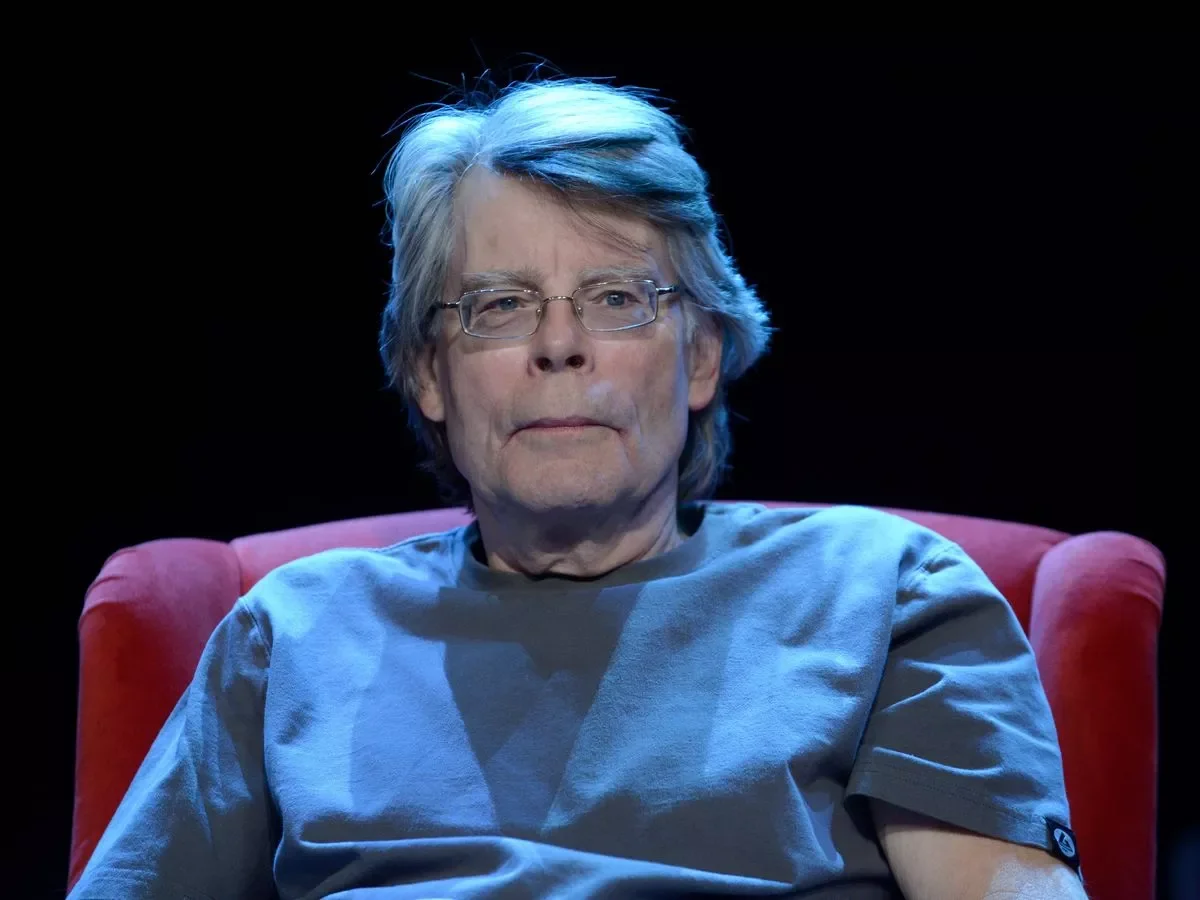
Edgar Wright is at the helm of a new adaptation of The Running Man, a narrative previously brought to the big screen with Arnold Schwarzenegger in 1987. More overt in its satirical tone, The Running Man follows its protagonist as he is relentlessly hunted on a deadly televised game show, providing a biting critique of media sensationalism and the cutthroat side of mass entertainment.
Although The Long Walk was the first novel Stephen King wrote, it was not published until 1979, years after King had established his name. Both The Long Walk and The Running Man share similar setups involving grim public contests, but each story diverges—one exploring the dangers of authoritarian rule, while the other targets the excesses of a spectacle-driven society. Still, neither title has eclipsed The Stand as King’s foremost contribution to post-apocalyptic fiction.
The Stand: King’s Defining Post-Apocalyptic Novel
The Stand, released in 1978, stands as an expansive achievement in the Stephen King post-apocalyptic dystopian novels collection. The plot unfolds in a devastated America after a biological weapon unleashes the deadly “Captain Trips” virus, erasing much of the country‘s population and turning the remains into a haunted wasteland.
As survivors navigate the ruins, they divide into opposing factions representing good and evil, creating an epic struggle that stretches across over 800 pages. The narrative weaves together the lives and choices of more than a dozen characters—from the innocent Tom Cullen and the troubled Nadine, to the villainous Randall Flagg and rebel Harold—each wrestling with their roles in the reshaping of civilization.
The Stand arrived years before It and demonstrated King’s ability to handle a sprawling cast without losing the core of his story. Randall Flagg, the charismatic and terrifying villain of The Stand, rivals King’s most infamous antagonists, and the book’s twists in morality push characters to cross lines between heroism and darkness. For many, The Stand is King’s early promise fulfilled—a complex tapestry of humanity at its breaking point.
An Epic Told Through Many Perspectives
King’s storytelling in The Stand unfolds from numerous viewpoints, giving readers access to a panorama of survivor experiences. Characters like the unpredictable Trashcan Man, the sweet-tempered Tom Cullen, and the devious Nadine each contribute to the deeply layered narrative. The massive cast poses a significant challenge for any adaptation, as even director Ben Affleck previously considered but hesitated to bring such a sprawling novel to screen.
King has acknowledged that he drew inspiration from J.R.R. Tolkien’s The Lord of the Rings, weaving fantasy elements into a modern American setting beset by horror and science fiction circumstances. The result is a novel with sprawling digressions and side plots, offering as much philosophical exploration as high-stakes drama.
Lovers of taut, tightly-focused thrillers may find King’s style in The Stand deliberately meandering, as he provides depth to a multitude of characters and plotlines. But for those seeking a sweeping and immersive post-apocalyptic story, The Stand remains unmatched among Stephen King post-apocalyptic dystopian novels.
Challenges of Bringing The Stand to Screen
Despite great interest from filmmakers, The Stand has proven remarkably difficult to adapt into visual media. Two separate miniseries have tackled the story: a 1994 adaptation, which remains the more faithful of the two, and the 2020 version, which faced criticism for stylistic choices and changes to integral characters such as Randall Flagg. Both versions struggled with pacing and compressing the novel’s ambition for television, leaving some fans divided on their success.
There is hope for a more successful film adaptation, as Deadline reported that Doug Liman—known for The Bourne Identity—is attached to direct a new movie scheduled for release in July 2025. The challenge will be to condense The Stand’s complex web of storylines into a conventional runtime, a feat previous adaptations fell short of achieving.
For now, readers continue to consider the source material as the definitive version of King’s dystopian vision, with The Stand maintaining its place as the author’s most ambitious and complete journey into a world undone by tragedy and rebuilt on the edge of hope and chaos.
The Stand’s Ongoing Influence in King’s Dystopian Works
While The Running Man and The Long Walk generate excitement due to their imminent cinematic releases, The Stand endures as the benchmark for Stephen King post-apocalyptic dystopian novels. Its portrayal of society’s collapse and reconstruction has influenced not only King’s later works but also the broader landscape of post-apocalyptic fiction.
As viewers anticipate new interpretations of dystopian survival on screen, readers seeking the heart of King’s bleakest and most sweeping novel should turn to The Stand—an enduring reminder of the fragility of civilization and the complexities of rebuilding after catastrophe.
