
Stranger Things Season 4 delivered a memorable homage to the film Taxi Driver, drawing direct inspiration from Robert De Niro’s performance and adding a comedic twist that delighted longtime fans. The tribute, which makes the Stranger Things Taxi Driver Robert De Niro connection unmistakable, showcases how the popular Netflix series continues to honor cinematic classics while weaving them into its supernatural adventures.
A Nod to Taxi Driver Within Hawkins’ Storyline
Stranger Things, set in the early 1980s, has always used its nostalgic roots as both tribute and toolkit, packing each season with references to a wide range of acclaimed films and stories. As Mike Wheeler and his group of friends confront new dangers in Hawkins, Indiana, viewers are treated to nods from franchises such as Star Wars and The Lord of the Rings, embedding these influences into the characters’ journeys.
One of the most clever cinematic nods arrives in Season 4, Episode 7, entitled “The Massacre at Hawkins Lab.” Here, the characters Joyce Byers (played by Winona Ryder), Murray Bauman (Brett Gelman), and Yuri Ismaylov (Nikola Đuričko) find themselves in Kamchatka, Russia, as they attempt a daring rescue of Jim Hopper (David Harbour) from Russian authorities. During their infiltration of the remote prison, the trio must quickly improvise roles and subterfuge to deceive guards. Murray, posing as Yuri, offers Joyce and Yuri—now disguised as Murray—to the Russian guards, setting off a tense but humorous stand-off.
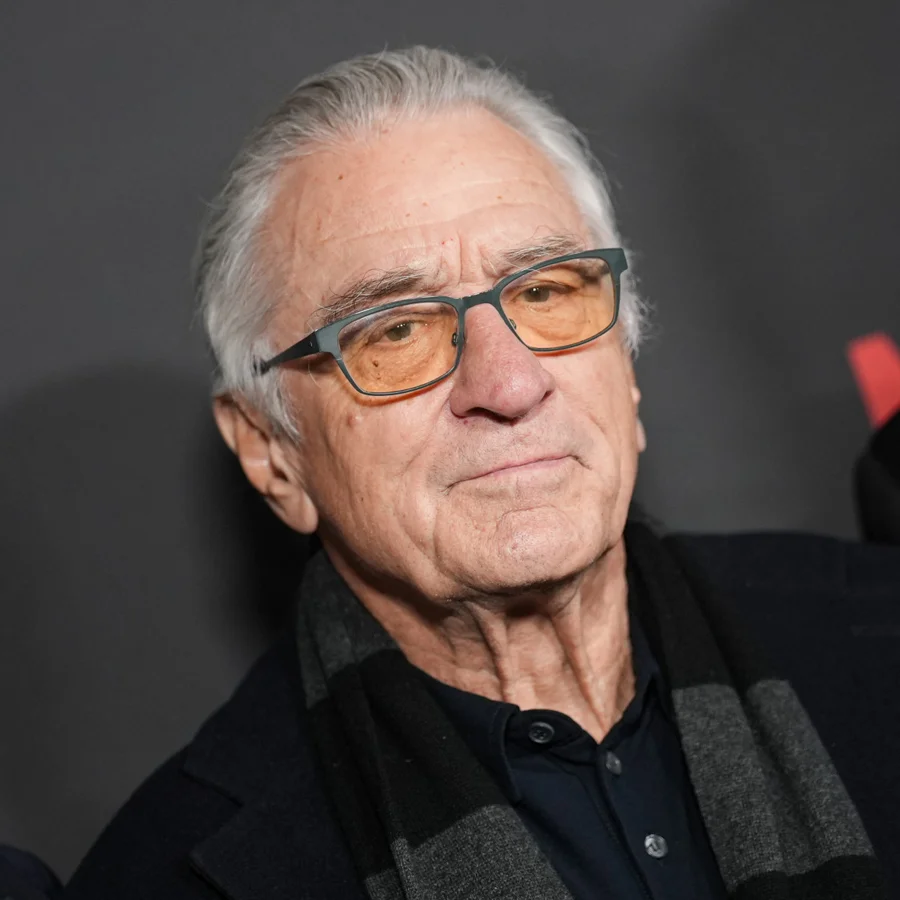
In a standout moment, Murray, channeling De Niro in Taxi Driver, launches into an imagined exchange with a fictitious prison warden, uttering, “How about that?” before clumsily drawing a gun from his jacket and pointing it at his unseen adversary. The farcical scene mirrors De Niro’s iconic “You talking to me?” sequence from Martin Scorsese’s Taxi Driver, where the actor, in character as Travis Bickle, coolly confronts his own reflection and swiftly produces a gun—an act performed with incredible poise in the film. The difference in Stranger Things is in the comedic execution, as Murray’s attempt is intentionally awkward, prompting widespread amusement among viewers familiar with the original scene.
Taxi Driver, directed by Martin Scorsese and starring Robert De Niro, stands as a landmark film from 1976. Its gritty portrayal of urban isolation and psychological unraveling made it a cultural touchstone, eventually amassing $28.5 million at the global box office, according to The Numbers. Notably, De Niro took on the starring role for a modest $35,000 contract, as reported by Ronny Duncan Studios, before it became one of cinema’s most influential performances. The homage in Stranger Things demonstrates both respect and playful reinvention, firmly planting this classic reference in a new era of storytelling.
This scenario is not unique to Stranger Things, as other shows—like South Park—have parodied the legendary “You talking to me?” moment, further illustrating how Taxi Driver’s influence continues to reverberate across multiple generations of pop culture. Yet, Stranger Things’ approach stands out for weaving the tribute seamlessly into its spy-thriller subplot, using the situation’s absurdity to break tension while drawing viewers into its world of cinematic Easter eggs.
Winona Ryder’s Challenges Prior to Stranger Things
While Stranger Things thrives on the performances of ensemble actors, Winona Ryder’s journey to playing Joyce Byers is marked by both acclaim and hardship. An icon of 1990s cinema, Ryder became famous for deeply nuanced roles and unforgettable film appearances. However, as her stardom grew from one blockbuster to the next, she experienced unforeseen challenges in Hollywood.
According to an exclusive interview with Esquire UK, Ryder faced heightened gossip surrounding her personal life, which led industry insiders to view her presence as complicated on set. Though they rarely addressed these concerns openly, she could perceive their judgments, and as a result, she missed out on numerous opportunities during a time when public image played a significant role in casting decisions.
“I’m not in any way complaining, but there was this whole time when I felt like I would be a distraction, as well. I got it. Certainly, in the 1990s, I became aware of that. And there was a switching-of-the-guard feeling, too. As you get older there are these new, younger actresses. It’s so drilled into you how disposable actresses can be, our shelf life. You hear it all the time.”
—Winona Ryder, Actress
During the 1990s, as younger stars emerged, Ryder found herself contending with the perception that older actresses were easily replaceable, an attitude she describes as deeply ingrained within the industry. Despite these obstacles, Ryder never publicly lamented her situation, instead continuing to evolve both personally and professionally.
Now in her 50s, Ryder has not only sustained her career, but also added notable new projects, returning to the spotlight as Joyce Byers in Stranger Things. Her resilience has renewed her reputation as an A-tier actress within both Hollywood and broader pop culture, with her layered performances providing emotional depth to the series.
The Lasting Importance of Movie References in Stranger Things
Stranger Things demonstrates a passionate appreciation for film history, using witty and well-placed tributes to classics such as Taxi Driver. By incorporating scenes like Murray’s imitation of Robert De Niro, the show forges connections between generations, offering new audiences a chance to engage with cinematic traditions while preserving nostalgia for longtime film fans.
The ongoing popularity of Stranger Things reaffirms the show’s role as a trendsetter in pop culture, adeptly blending supernatural adventure with sharp, self-aware humor. Each carefully crafted homage enriches the world of Hawkins, extending the creative legacy of icons like Martin Scorsese, De Niro, and their contemporaries. As Stranger Things moves into future seasons, viewers can expect even more inventive references, delivered with the same energy and reverence that has defined the series thus far.
Season 4 and all previous episodes of Stranger Things are currently available for streaming on Netflix, inviting audiences to spot even more subtle nods and tributes woven into the supernatural drama’s action-packed narrative.
