
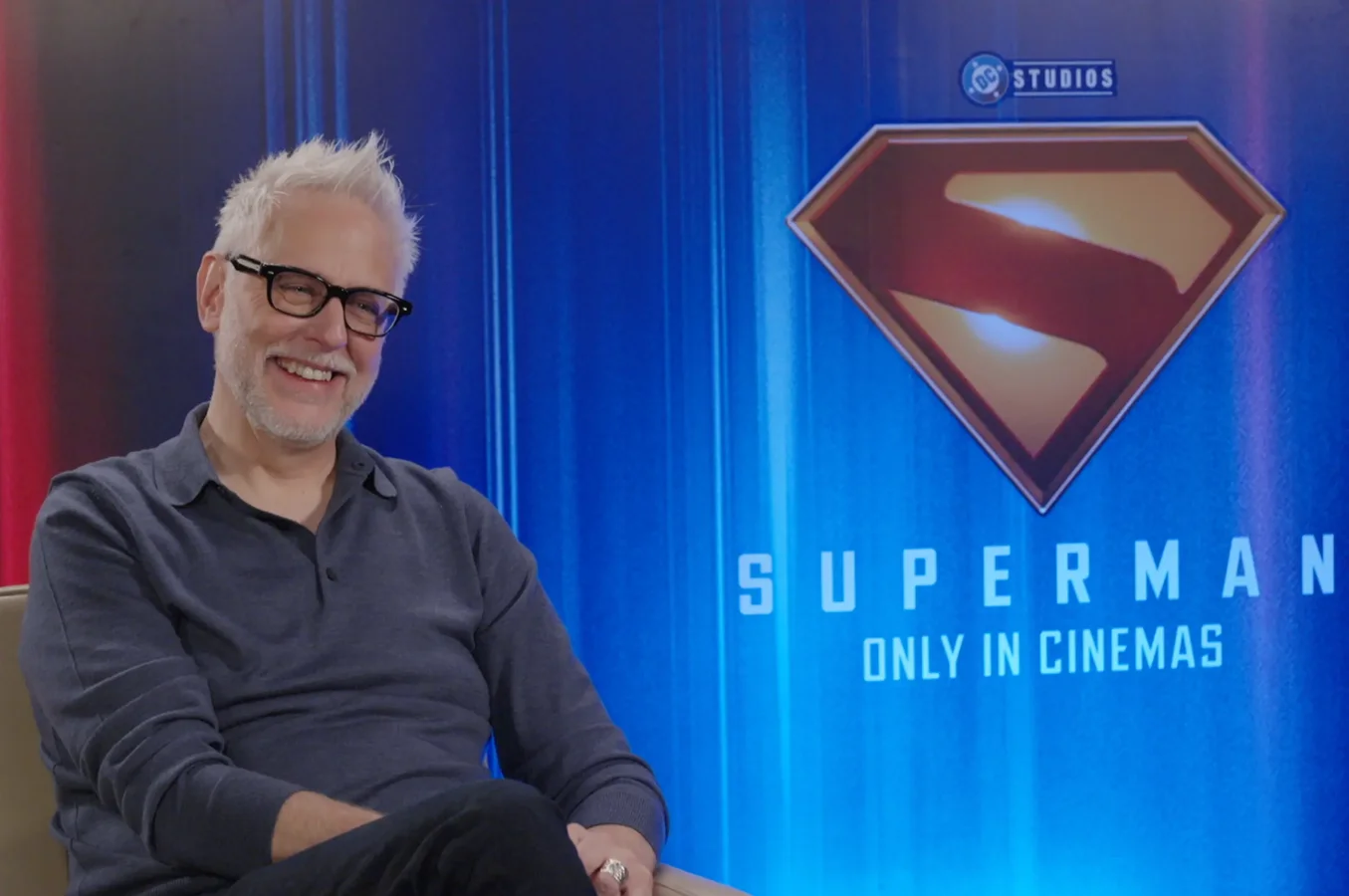
James Gunn is shaping a bold new vision for the DC Universe, but when it comes to the James Gunn DCU Batman version, the stakes are at their highest. As he launches the DCU with Superman, Gunn has made it clear Batman’s future is critical, raising intense speculation about what kind of Dark Knight Gotham will get in this interconnected world of superheroes.
Why the Bat-God Approach Sets Batman Apart
Within comic circles, “Bat-God” is the term fans use to describe an almost superhuman Batman, a concept made famous primarily in Grant Morrison’s stories but also explored by other writers. This portrayal of Batman is synonymous with the idea of extensive “prep time,” meaning that with enough forethought and planning, he could theoretically overcome any opponent—from formidable threats like Thanos to other costumed heroes across the multiverse. Such discussions around Batman’s capabilities highlight the enduring perception that he is uniquely capable among superheroes, even while lacking actual superpowers.
The Origin and Evolution of Bat-God in Comics
The Bat-God persona gained traction with the “Tower of Babel” storyline in JLA #43–46, published from July to October 2000. During this arc, Batman is revealed to have secretly devised intricate plans to incapacitate each member of the Justice League should they become a global threat. His strategies ranged from rendering Superman transparent and vulnerable to overexposure to solar energy, to exposing Aquaman to psychological toxins that instill a debilitating fear of water. This narrative reinforced the concept that Batman anticipates every possible scenario, extending his habit of tactics and invention into extreme territory.
Grant Morrison followed up on this notion by introducing the persona known as Zur-En-Arrh, a safeguard Batman implanted in his own mind to take control if he were ever psychologically compromised. This move further extended the Bat-God archetype; Batman now had the means not only to neutralize his allies if needed, but also to counteract manipulation or attacks on his own mind.
Even though the Bat-God characterization risks overexaggeration or parody if not carefully handled, many argue it is the only version of Batman that fits within a team of powerhouses. When standing alongside an Amazonian warrior, a Kryptonian, an interstellar law enforcer, and a speedster who can outpace light, a simple crime-fighter with gadgets would seem outmatched. However, the Bat-God persona—Batman as a paranoiac strategist and master inventor—makes him indispensable. It elevates him to the level where his intellect and resolve serve as humanity’s counterbalance to the DC Universe’s cosmic scale threats.
In order for James Gunn to craft a memorable and unique DCU Batman, this approach would help set the character apart from previous portrayals and make him integral among a team of superheroes.
Why Keeping Robert Pattinson’s Batman Separate is Strategic
The question,
“Will Robert Pattinson be the DCU’s Batman?”
has been firmly answered—he will not. This is following James Gunn’s assurance that Matt Reeves’ vision for Batman, as seen with Pattinson, will remain a standalone property. In this context, comparisons are drawn to when fans speculated about Christian Bale reprising his Batman role under Zack Snyder. Both Pattinson and Bale’s Batmen were conceived as grounded, gritty vigilantes who thrived in a street-level setting—deeply intelligent and resourceful, but never portrayed as plausible contenders to defeat the entire Justice League alone. Suggesting otherwise, the article quips, would be like putting Casey Jones from Teenage Mutant Ninja Turtles on the same level.
Since Batman’s earliest appearances with other DC heroes, the character has existed in a duality—solving street crimes in his own titles, yet matching gods and aliens on Justice League missions. Comic readers can more easily suspend disbelief, but in films, directors tend to choose one version or the other. Christopher Nolan and Matt Reeves favored the urban detective and crime-fighter, leaving the cosmic-scale exploits to the pages of graphic novels rather than the big screen.
But James Gunn, facing the demands of building a shared universe alongside Superman and other superpowered beings, has to chart a different course. Only a Batman who is written as a peer to the world’s most powerful entities can function convincingly as a leader and strategist among them. This Bat-God approach is designed for such high-stakes narratives—one in which Batman’s true power lies in his unparalleled intelligence, planning, and willpower rather than in physical might or extravagant technology alone.
What a Bat-God Batman Means for the Future of the DCU
Embracing the Bat-God vision could sharply define James Gunn’s DCU Batman version as more than just another iteration in a long line of film adaptations. With Batman: The Brave and the Bold still in development at DC Studios, fans are already discussing what direction the franchise should take. If Gunn selects this type of Batman, one who can
“outsmart gods, find their weaknesses, and develop viable strategies to exploit them,”
the DCU could avoid repeating familiar cinematic territory and introduce a more compelling, adaptable Batman.
Such a dynamic shift would not only grant Batman a unique voice among superheroes, but also provide the connective tissue that makes a cinematic universe credible. With heroes as diverse as Superman, Aquaman, and Green Lantern at his side, a Bat-God Batman would offer narrative tension, creative conflict, and a vital human counterpoint. This approach would also challenge the current media landscape where superhero fatigue is often discussed, giving both newcomers and longtime fans a reason to engage with the latest take on Gotham’s greatest detective.
While opinions continue to circulate about James Gunn’s plans and the future of the DCU Batman, it is clear the franchise’s success could hinge on how the Caped Crusader is reimagined. As Gunn carves out a space for his new Batman, the Bat-God archetype offers a path to meaningful differentiation and renewed excitement, ensuring Gotham’s shadowy protector leaves an indelible mark on the next chapter of the DC Universe.
