
Martin Scorsese‘s comedy in The Irishman finds an unforgettable showcase through Stephen Graham’s performance, adding a layer of humor that both surprises and delights audiences. The scene, set halfway through the film’s lengthy runtime, features Graham as Tony Pro, creating one of the most unexpectedly funny moments in a story otherwise defined by violence and high stakes.
Stephen Graham, whose acting career includes high-profile projects like Pirates of the Caribbean and Boardwalk Empire, has built a reputation for delivering stirring, empathetic portrayals. In recent years, his acclaim has only grown, with his role in Adolescence further elevating his standing in the industry. Despite these achievements, some of Graham’s more nuanced contributions, especially alongside Martin Scorsese, risk being overlooked. Their professional relationship began with 2002’s Gangs of New York, yet it is his turn in The Irishman that stands out as a high point.
Graham’s casting as Anthony Provenzano, known as Tony Pro, places him in the center of one of The Irishman’s most memorable scenes. Here, he meets with Al Pacino‘s Jimmy Hoffa, newly released from prison and hungry to reclaim his leadership. The circumstances are tense: Hoffa needs Tony Pro’s support in his battle for control of the union votes. Lingering hostility from their shared time behind bars sets the stage for a meeting fraught with unspoken conflict.
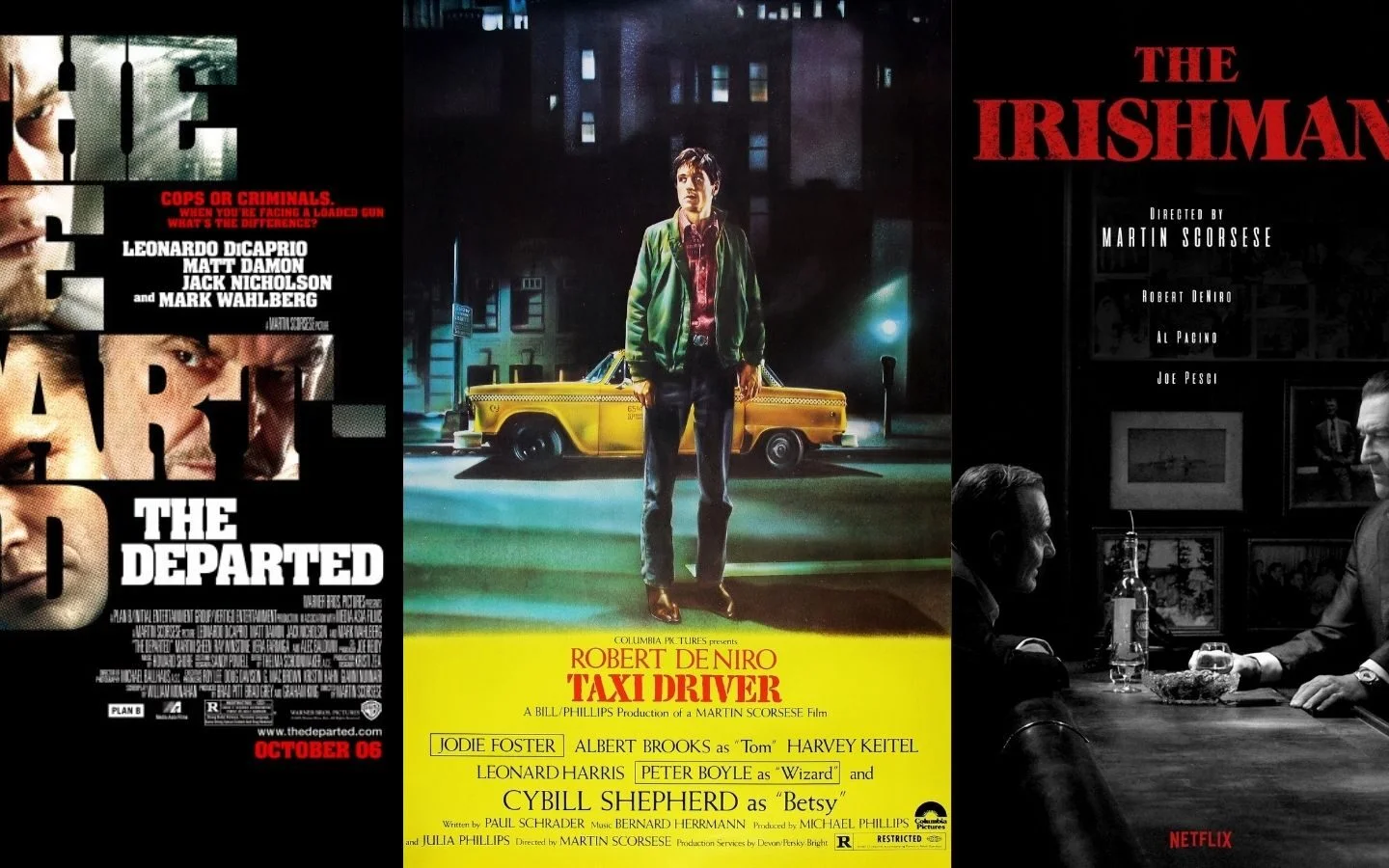
How a Pair of Shorts Transform Tension Into Comedy
This pivotal scene begins when Tony Pro, played by Stephen Graham, arrives late and dressed in shorts to meet Jimmy Hoffa. For Pacino’s character—a man of strict business principles—Graham’s attire is a blatant insult. What follows is an awkward and comedic exchange, shifting rapidly from strategic dialogue to a squabble over protocol and personal disrespect.
Both men briefly mention the union votes, but the topic is quickly derailed when Jimmy admonishes Tony for his casual dress and tardiness. The conversation then dissolves into a clash of egos, with Frank Sheeran—portrayed by Robert De Niro—caught between them, desperately trying to keep the discussion on track.
Stephen Graham’s approach in this moment is key. Facing two acting giants in Al Pacino and Robert De Niro, Graham embodies Tony Pro’s pride and stubbornness, matching Pacino’s quiet intensity with his own brashness. This dynamic highlights the absurdity of two powerful men feuding over something as trivial as an outfit, amplifying the comedy while exposing the fragility of their self-images.
The moment gets its edge from the interplay between Graham’s bravado and Pacino’s smoldering frustration, as well as the helplessness of De Niro’s Frank. The comedy lands not through slapstick or punchlines, but from the escalating discomfort and the silent pleas for normalcy that go ignored.
Martin Scorsese’s Distinct Approach to Humor Through Character Rivalry
Although Martin Scorsese’s films are often associated with dark themes and intense violence, comedy has always found a place in his storytelling repertoire. Signature moments from classics like Goodfellas—most famously, Joe Pesci‘s scene about being “funny like a clown”—show that Scorsese knows how to use humor to bind his characters to audiences. Similarly, The Wolf of Wall Street features outrageous comedic set pieces, particularly involving Leonardo DiCaprio’s Jordan Belfort, to satirize the excesses of its subjects.
Scorsese’s ability to find humor in dark places comes from his technique of exposing character flaws and competitive insecurities. Whether it’s a perceived slight or a power move, his characters often react in outsized and comical ways, producing laughs amid tense, often violent, situations. Characters like Tommy, played by Pesci, and Jordan Belfort erupt not just with rage but with ridiculousness, creating scenes that are both memorable and meaningful. This balancing act of humor and brutality helps maintain the energy and complexity of Scorsese’s films, ensuring that the mood never flattens into monotony.
The meeting between Jimmy Hoffa and Tony Pro in The Irishman sits comfortably within this tradition. The characters‘ escalating argument about shorts and punctuality is more than a throwaway gag; it exposes their deep-seated insecurities and provides relief from the relentless darkness of the story. The humor is rooted in the legitimacy of their pride and the irrationality of their conflict, demonstrating Scorsese’s gift for layering levity within drama.
“You said you’re ranking me. Ranking me how?”
—Stephen Graham as Tony Pro
The Impact of Graham and Scorsese’s Collaboration on Crime Cinema
While The Irishman’s shorts scene is not as frenzied as the wild excesses found in The Wolf of Wall Street or as chilling as the violence in Goodfellas, it stands out for its subtle comedic realism. The scene not only gives audiences a momentary respite from the film’s otherwise somber tone but also advances the narrative through a relatable and humanizing dispute.
For Stephen Graham, this moment allows his skill as a performer to shine. Sharing the spotlight with Al Pacino and Robert De Niro, Graham commands attention and holds his ground, demonstrating his ability to excel alongside some of cinema’s most respected names. His portrayal reinforces his versatility, as he moves effortlessly from dramatic intensity to comedic timing.
On a larger scale, scenes like this offer insight into why Martin Scorsese continues to captivate audiences after decades in the industry. By blending humor with drama—grounding both in authentic character interactions—Scorsese ensures that even his darkest stories feel alive, layered, and resonant. The Irishman’s unexpectedly funny meeting cements this approach and furthers Scorsese’s legacy as a filmmaker who can find laughter in the unlikeliest moments.
The significance of this scene is twofold: it broadens appreciation for Stephen Graham’s abilities and reaffirms Scorsese’s unique use of comedy to humanize even his most hardened characters. For viewers interested in the intersection of humor and seriousness in crime cinema, Martin Scorsese’s comedy in The Irishman offers a compelling study of craft and collaboration, setting a fresh benchmark for blending levity into legacy filmmaking.
