
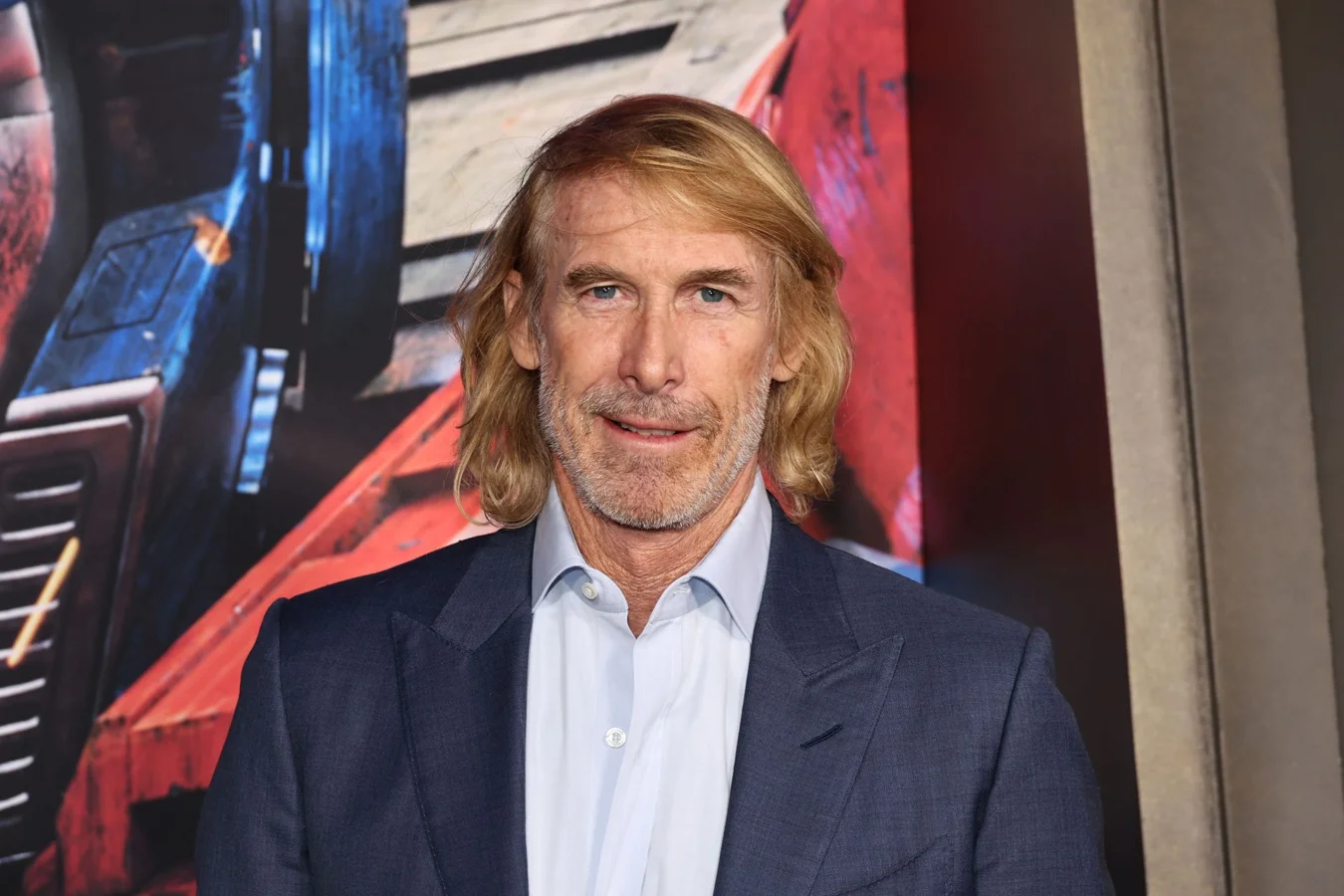
Michael Bay returning to Transformers franchise marks a significant moment for the long-running series as the blockbuster filmmaker is reportedly developing a new installment to direct, aiming to reinvigorate the movies after an eight-year absence. Bay, who first brought Hasbro’s toy line to big screens in 2007 and delivered five films packed with spectacle and massive financial success, is taking the lead on this latest push rather than being recruited by the studio.
Michael Bay’s History of Box Office Hits and the Franchise’s Decline
Bay’s original run as director of the Transformers series saw unprecedented box office returns, totaling $4.3 billion globally across his five films. His signature high-impact style launched the franchise as a major presence in cinemas, but as the years went by, audience and critic support weakened, especially after Transformers: The Last Knight earned only $605 million, a low for the series at that point.
Following these challenges, Paramount chose to take the franchise in new directions by rebooting the storyline in hopes of earning critical favor. While these movies began receiving better reviews, the downward trend in box office revenue continued. An example is the animated spinoff, Transformers One, which launched last year to strong critical reception, but only earned $129 million and failed to ignite the planned trilogy.
Meanwhile, the box office numbers for Bay’s prior films remain notable benchmarks:
1. Transformers (2007): $709 million
2. Transformers: Revenge of the Fallen (2009): $836 million
3. Transformers: Dark of the Moon (2011): $1.123 billion
4. Transformers: Age of Extinction (2014): $1.104 billion
5. Transformers: The Last Knight (2017): $605 million
In the years since, Paramount’s new entries—Bumblebee ($467 million), Transformers: Rise of the Beasts ($441 million), and Transformers One ($129 million)—have all posted significantly lower earnings, indicating a disconnect with the audiences that once filled theaters for Bay’s explosive action movies.
Beyond Transformers, Bay has found mixed results. His Netflix collaboration 6 Underground, starring Ryan Reynolds, drew strong streaming numbers but little critical praise, while Ambulance received some of his best reviews but faltered at the box office.
What Sets Bay’s Return Apart and the Future of Transformers
Bay’s return to Transformers is distinctive in that it is his personal decision to come back to the director’s chair, not a move initiated by Paramount. Currently, Jordan VanDina, best known for The Binge, is attached as the writer, and while it is not officially confirmed that Bay will direct, his involvement will reportedly extend to at least a hands-on producer role. At this stage, it remains uncertain whether the new film will continue the original Bay continuity, blend into the rebooted timeline, or start fresh altogether.
This new development joins several other franchise projects in the works. Josh Cooley, director of Transformers One, has reached an agreement with Paramount to helm a new live-action film. The highly anticipated crossover movie uniting Transformers and G.I. Joe, which has already cast Chris Hemsworth, is also moving forward, alongside two additional Transformers films in early development.
The Need for Clear Direction Amid Franchise Uncertainty
Since Michael Bay’s departure after The Last Knight, Paramount has struggled to maintain the display of success the franchise once enjoyed. Efforts to rejuvenate interest with fresh filmmakers and animated experiments have not resonated as hoped, with diminishing returns at the box office and the shelving of potential sequels.
The franchise’s lack of a unifying vision has likely contributed to recent disappointments. While original fans may have grown weary of Bay’s formula by the release of The Last Knight, no successor has delivered a comparably successful movie, prompting a sense that both Michael Bay and Transformers might benefit from reuniting. As a result, his decision to actively pursue a return hints at his own ambitions to restore the property’s blockbuster status and recapture the excitement of earlier victories.
Paramount’s willingness to bring Bay back is logical, considering his proven ability to generate big box office numbers. Additionally, the action-centric tone he crafts fits well with what audiences have historically expected from Transformers movies. With several other new projects in development, the studio appears eager to see if Bay’s vision can, once again, lead the franchise to cinematic success.
The Anticipation and Stakes of Reviving a Box Office Giant
For longtime followers of the Transformers series, the prospect of Michael Bay returning may stir complex emotions. Some, like many who anticipated the end of the Bayverse era, felt ready for new creative voices. At the same time, there is little denying the business sense in giving Bay another opportunity: he is the only director so far who has demonstrated the ability to turn Transformers movies into global blockbusters with mass appeal.
As one observer concluded,
“Michael Bay and Transformers clearly need each other. The action series is a great fit for Bay’s strengths as a director, and he’s the only one who has so far proven he can make a box office hit with these characters.”
—Unknown, Industry Analyst
It remains to be seen whether the franchise will prioritize Bay’s ideas over the other films in development, but with such a well-known brand at stake, Paramount is unlikely to let the series drift further away from financial and cultural relevance. The industry will watch closely to see if Michael Bay returning to Transformers franchise can revive its past glory and set a new course for success.
