
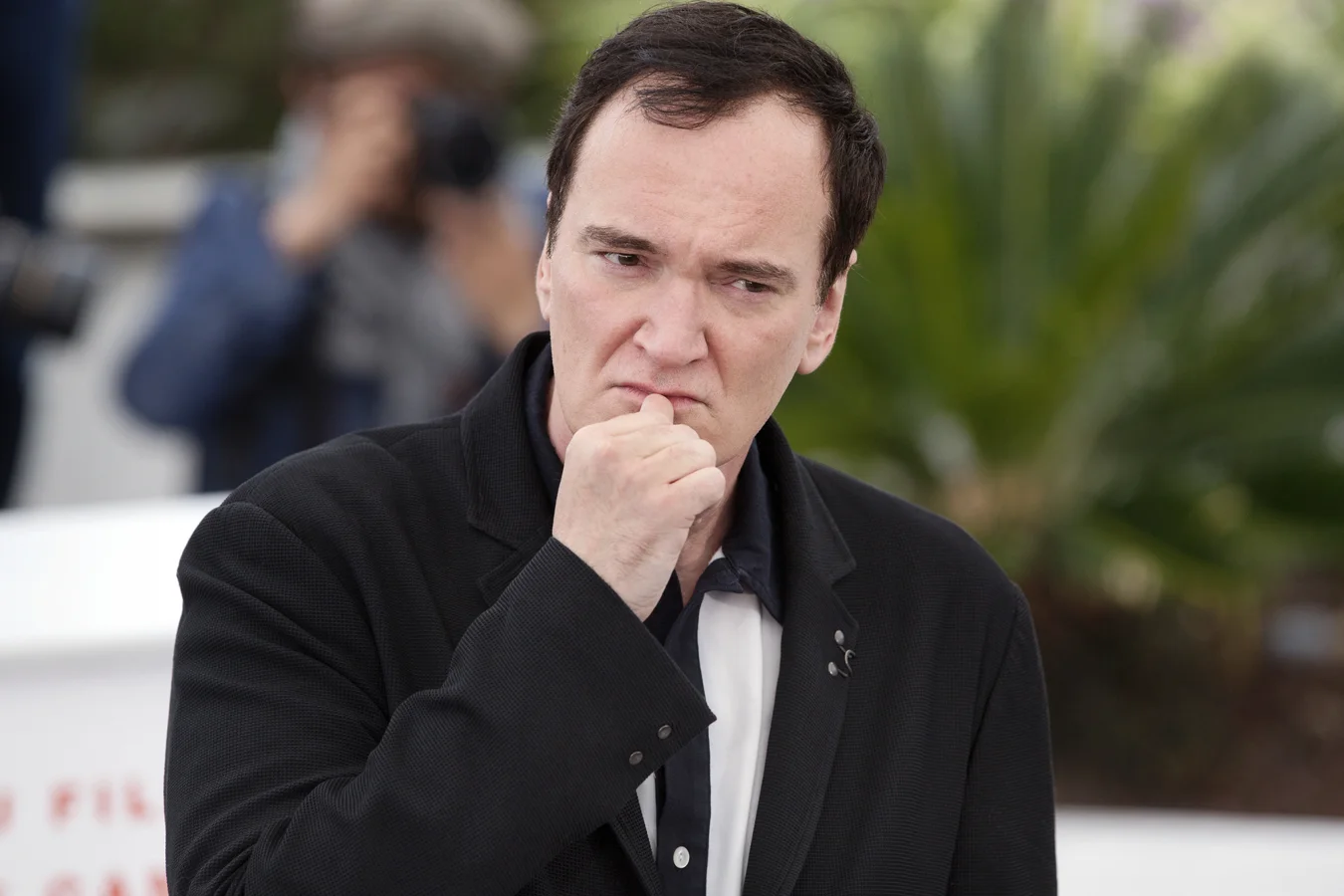
Filmmaker Quentin Tarantino, widely known for his sharp critique of streaming services, surprised fans during the pandemic by unveiling his top pick for horror television: Netflix’s “The Haunting of Hill House.” Tarantino’s appreciation for the series highlights just why “Quentin Tarantino favorite horror show” quickly became a topic of interest among film and TV enthusiasts.
While Tarantino’s reputation is staked on demanding theatrical experiences and celebrating innovative storytelling, even he paused to binge-watch during global lockdowns. In a 2020 interview with The Jerusalem Post, he declared Mike Flanagan’s chilling series as his unchallenged favorite, elevating the show’s profile among both horror lovers and casual audiences. This praise from an iconic storyteller underscores the lasting influence and artistry that “Hill House” delivered.
Mike Flanagan’s Mastery in Reimagining Horror for Television
When “The Haunting of Hill House” premiered on Netflix in 2018, it quickly distinguished itself from typical horror shows. Creator and director Mike Flanagan adapted Shirley Jackson’s legendary novel, transforming its haunted mansion setting into a deep, character-driven narrative that explored family, trauma, and the echoes of memory across decades. The story’s structure alternates between the Crain siblings’ troubled childhood and their emotionally scarred adult lives, inviting viewers into a compelling psychological journey.
A standout feature of the series is the powerful ensemble cast—Victoria Pedretti, Oliver Jackson-Cohen, Michiel Huisman, Elizabeth Reaser, and Carla Gugino as Olivia Crain—each contributing to the show’s emotional depth. Every episode focuses on a different Crain, shedding light on how grief and tragedy bind and haunt families over time. This structure transforms each installment into a vital piece of a much larger puzzle, amplifying the raw, lifelike portrayal of inner turmoil and shared pain.
The show doesn’t merely rely on supernatural scares; it examines the personal ghosts that linger outside Hill House’s walls. Flanagan, already acclaimed for works such as “Hush,” “Oculus,” and “Gerald’s Game,” injects every scene with both heartbreak and genuine fear. While moments of sudden terror are present, they are woven into a narrative that prioritizes catharsis and emotional resonance. As a result, the series transcends being a simple ghost story—it becomes a memorable meditation on family and loss, a testament to Flanagan’s unique storytelling gift. It’s no wonder that Quentin Tarantino, with his own pedigree for complex narratives, would be drawn to such finely crafted television.
Why Tarantino Finds “The Haunting of Hill House” Exceptional
Tarantino is celebrated for assembling remarkable casts and creating stories where each character’s journey matters, seen across films like “Reservoir Dogs,” “Pulp Fiction,” and
“Once Upon a Time in Hollywood.”
His appreciation for “The Haunting of Hill House” reflects his ongoing passion for character-driven tales. In this series, every character—child and adult alike—is defined by their unique struggles, shaped by the ghosts and sorrow of their past. What could have been a straightforward haunted house show evolves into an exploration of belonging and emotional scars that stay with us, no matter how far we try to run.
The series’ technical ambition also stands out. Mike Flanagan’s celebrated sixth episode features five uninterrupted takes, expertly capturing both the intimacy and the fraught dynamics within the Crain family. Such directorial bravado would naturally impress Tarantino, who is acclaimed for his own attention to detail, both in script and in performance. The human element at the core of the horror is likely what led Tarantino to champion the show above its competitors.
Tarantino’s public endorsement nods to the influence Mike Flanagan now wields in the genre. The success of “The Haunting of Hill House” marked a turning point for ambitious television horror, paving the way for Flanagan’s future projects—many featuring recurring collaborators from the Hill House cast, including in “The Haunting of Bly Manor,” “Midnight Mass,” and
“The Fall of the House of Usher.”
The blend of emotional storytelling and sophisticated scares has inspired similar approaches throughout the industry, cementing Flanagan’s place among elite directors and writers. The show continues to motivate both audiences and fellow creators to pursue stories grounded in strong characters and bold, original vision—a spirit mirrored in Tarantino’s own body of work.
The Impact of a Director’s Endorsement on “The Haunting of Hill House”
When a director of Quentin Tarantino’s caliber singles out a series from the crowded world of streaming content, it sends a powerful message about that show’s significance. Not only does his praise shine a spotlight on Flanagan and the talented Hill House cast, but it also validates television as a medium for storytelling on par with cinema. In an era filled with endless options and shifting viewing habits, “The Haunting of Hill House” manages to be unforgettable, delivering a perfect mix of horror and humanity.
Tarantino’s enthusiasm is a reminder that, regardless of format, stories built on authentic character development and meticulous craft will always captivate discerning viewers. As Flanagan continues to innovate within the genre, the legacy of “The Haunting of Hill House” endures, standing as a standard for future creators to aspire to—much like the works of Tarantino himself have inspired filmmakers worldwide. For many, including Tarantino, the series remains an iconic example of what horror—and television—can achieve when talent and heart converge.
