
While Taylor Sheridan is widely recognized for redefining the Western genre through his work on Yellowstone, his true modern Western masterpiece is the 2016 film Hell or High Water. This standout movie showcases Sheridan’s unique approach to storytelling, blending classic Western tropes with the urgent struggles faced by ordinary people in contemporary America.
Reimagining the Modern Western With Hell or High Water
Long before Taylor Sheridan became synonymous with contemporary Western narratives on television, he honed his craft as a screenwriter in Hollywood, earning acclaim for several films. Among these, Hell or High Water stands out as a testament to his ability to rejuvenate the Western genre for a modern audience. The movie, directed by David Mackenzie, stars Chris Pine and Ben Foster as brothers who launch a tense bank-robbing spree across Texas, relentlessly pursued by Jeff Bridges in the role of a Texas Ranger.
Though the premise draws inspiration from the classic bank-robber tales of the Old West, Hell or High Water firmly roots itself in the present day, confronting issues that resonate deeply with viewers. The story follows Pine’s character, Toby, who embarks on this dangerous path not out of a desire for infamy, but as a desperate bid to save his family home from foreclosure by the very banks they target. In contrast, Ben Foster’s Tanner is driven by a mix of familial loyalty and a penchant for danger, unafraid to use violence to protect his brother or his own interests.
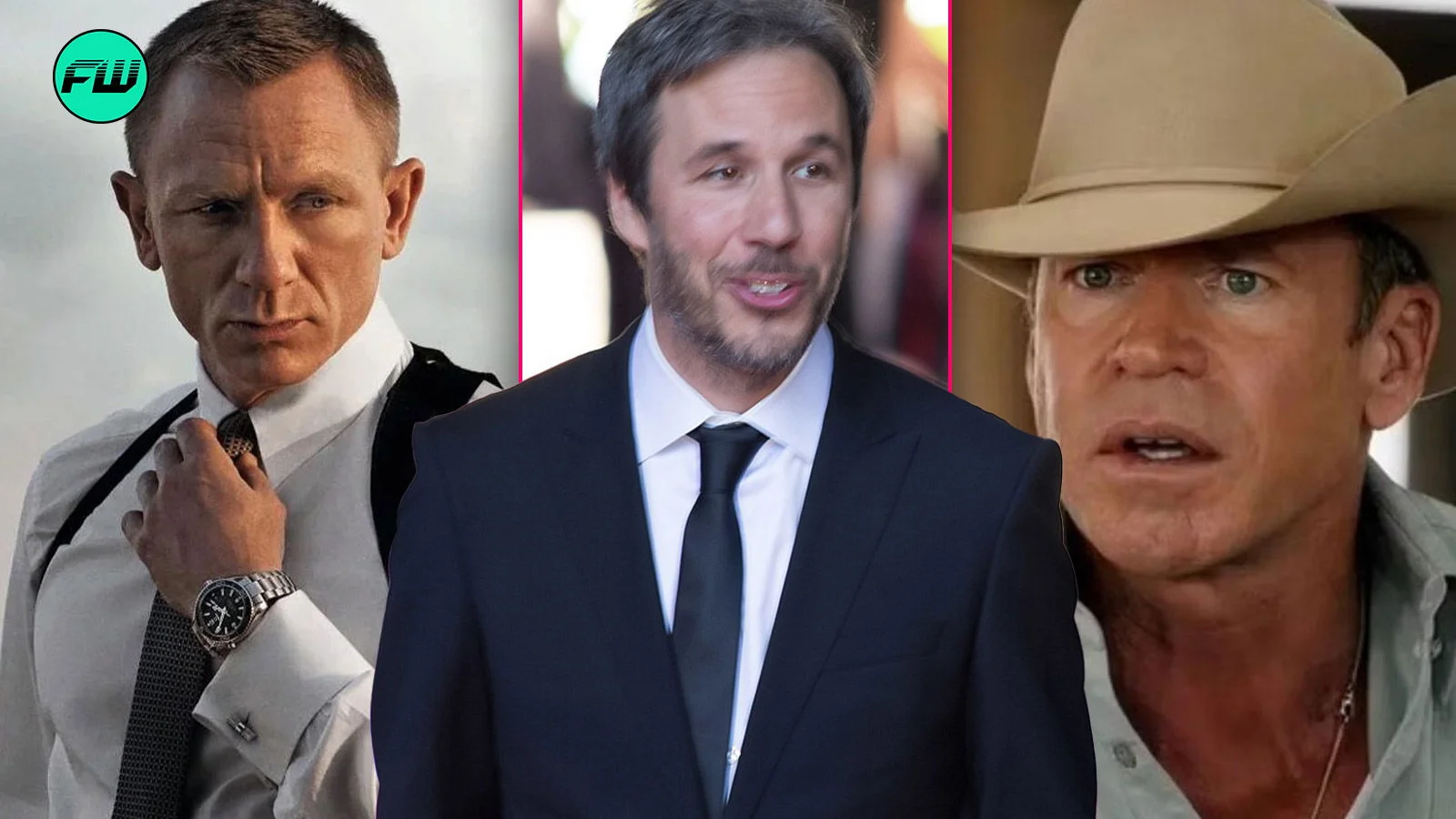
By focusing on these brothers, Sheridan crafts protagonists who are neither traditional heroes nor mere outlaws; instead, they reflect the complex legacy of Western folk heroes, flawed and conflicted in their search for redemption or purpose. The dilemma Toby faces, torn between his responsibility as a father and the criminal means he resorts to, underscores the depth and humanity of the characters. Tanner, while fiercely protective, reveals the destructive thrill that often lurks beneath noble intentions.
Sheridan’s script does more than deliver the tense suspense expected from a heist film. It channels the spirit of classic Western legends, while embedding them in a narrative that keenly observes the hardship many modern Americans endure. The brothers’ mission mirrors the struggles of those who are desperately trying to preserve a way of life tied to the frontier, now threatened by powerful financial institutions and corporations. This dynamic is further elevated by the film’s climactic shootout—a contemporary echo of the genre’s legendary gunfights—infused with emotional weight and moral ambiguity.
Examining American Struggles Through Western Motifs
Hell or High Water uses the familiar framework of the Western genre to analyze pressing societal issues. Taylor Sheridan’s screenplay engages with the realities faced by rural Americans, whose livelihoods and family lands are jeopardized by forces often beyond their control. The banks in the film represent the modern-day equivalent of land-grabbing adversaries, and the story’s central question revolves around how far someone will go to secure their family’s future.
Chris Pine’s Toby emerges as a quietly determined figure, balancing love for his sons with an acute sense of desperation. Ben Foster’s portrayal of Tanner injects volatility and a sense of tragic inevitability, highlighting the complexity of their partnership. Jeff Bridges’ performance as Texas Ranger Marcus Hamilton brings a world-weary lawman’s perspective to the pursuit, adding another layer to the classical Western duel between order and rebellion. Ranger Alberto Parker, played by Gil Birmingham, provides poignant commentary on history and cultural continuity, particularly through his interactions with Marcus.
In one memorable scene, the audience is reminded that bank robbing is not simply an act of villainy for these brothers, but a direct result of the system that threatens to take everything away from them. As the pair pays back the very institutions they steal from, Sheridan plays with the motif of the folk hero, complicating the audience’s sense of right and wrong.
Thematic Parallels With Yellowstone
For those who know Taylor Sheridan primarily for the sprawling, multi-generational saga of Yellowstone, Hell or High Water presents a more compact but equally compelling exploration of similar themes. The focus on land, legacy, and the cost of doing what’s necessary for family threads through both works. The fight to preserve the home for future generations echoes the journey of John Dutton in Yellowstone, reaffirming Sheridan’s fascination with the burdens placed on those who inherit the land and the responsibility to protect it.
Native American stories, a cornerstone of Sheridan’s television Westerns, receive significant attention in Hell or High Water as well. The character of Ranger Alberto Parker voices the historical injustices suffered by his ancestors, linking centuries-old struggles to the contemporary plight of those losing their livelihoods to banks. This moment is handled with resonance and nuance, giving context to the ongoing fight over land and identity in Sheridan’s universe.
Adding another meta-layer to the film is the presence of Gil Birmingham, who not only portrays Ranger Parker but also appears as Thomas Rainwater in Yellowstone. This casting choice hints at the interconnectedness of Sheridan’s creative world. Sheridan himself briefly steps into the frame as a cowboy moving his cattle away from encroaching flames, expressing the frustrations and uncertainties of rural life. His words,
And I wonder why my kids won’t do this s*** for a living.
—Taylor Sheridan, writer—capture the generational tension that defines so many of his stories.
Ambiguous Endings and Ongoing Relevance
The conclusion of Hell or High Water leaves audiences with a sense of unresolved tension. It is never made explicit whether Toby and Marcus will have a final, definitive confrontation, a creative decision that mirrors the film’s central message about ambiguity in morality and justice. This ending encourages viewers to question whether victory is possible or even meaningful in a world where the lines between right and wrong are increasingly blurred.
The movie’s focus on one man’s battle to hold onto his land, and the choices he must make along the way, resonates with the core conflicts found in Yellowstone and other Sheridan projects. The characters in both works operate within systems that reward strength but punish weakness, pushing them toward acts that may not fit the traditional mold of heroism. In this way, Taylor Sheridan’s Hell or High Water becomes not just a heist film or a Western, but a profound summary of perseverance and sacrifice in modern America.
As Sheridan continues to shape the future of the Western on both big and small screens, Hell or High Water remains a vital reminder of his talent for weaving emotional depth into genre storytelling. Its exploration of generational struggles, moral complexity, and survival serves as a lasting contribution to the ongoing evolution of the Western, ensuring that the film stands as his true modern Western masterpiece.
