
Pamela Anderson’s makeup-free beauty trend has taken center stage, inspiring celebrities like Drew Barrymore and reshaping modern expectations of beauty. This movement, originating from Anderson’s bold decision to step away from makeup at prominent events, has ignited an authentic, fresh-faced approach embraced by many in Hollywood and beyond.
A Shift from Heavy Contouring to True Natural Beauty
Makeup styles have evolved substantially over recent decades. The 2010s were dominated by dramatic, contoured makeup and highlight-heavy trends, especially visible across social media and within the millennial generation. However, younger generations, particularly Gen Z, have begun to favor a more understated aesthetic known as the no-makeup makeup look. This style creates the illusion of a bare face, even as it is skillfully executed through makeup.
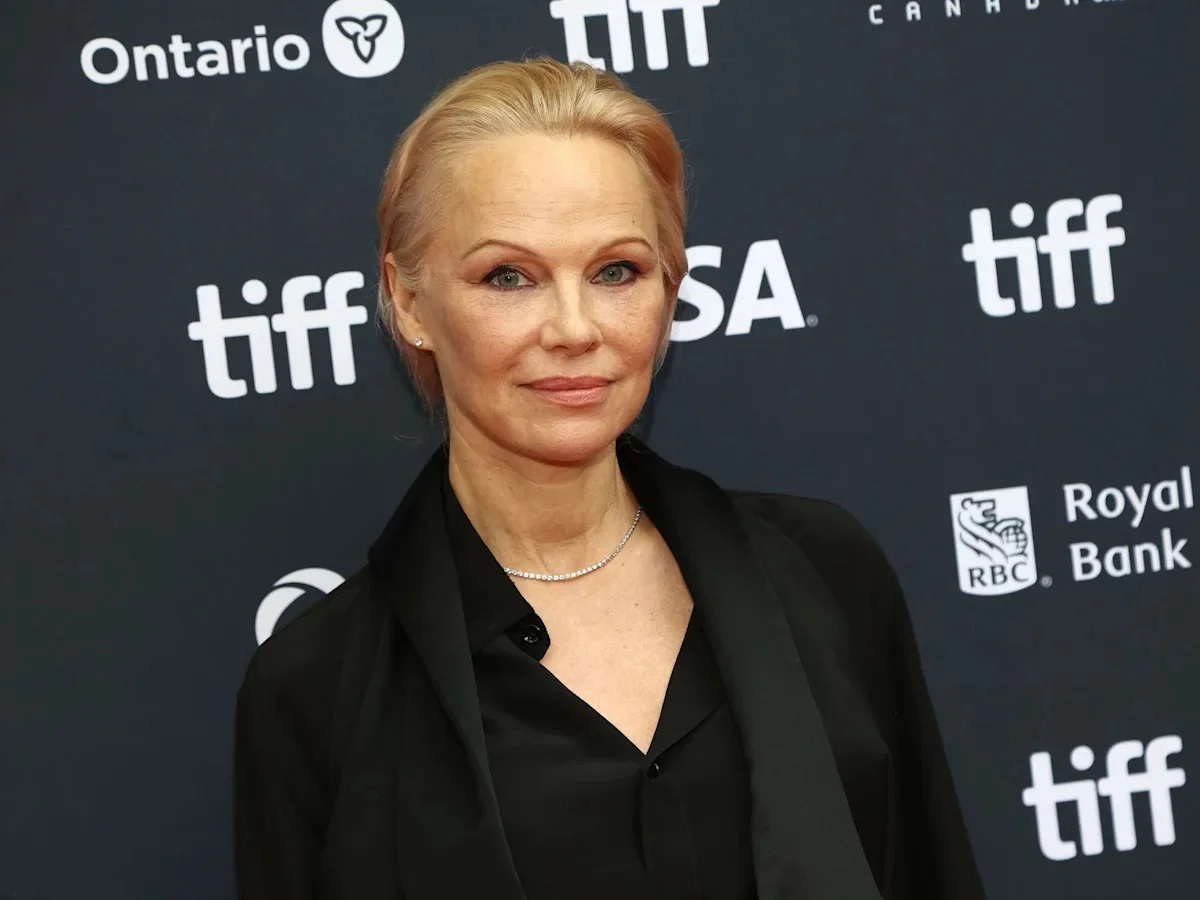
But Pamela Anderson has taken this movement a step further by opting to appear completely bare-faced at public events, not just toning down makeup but eliminating it altogether. Drawing contrast against her famed 1990s bombshell look, Anderson’s stripped-back style represents a significant change for her and signals a broader cultural moment.
As described in a candid conversation with Drew Barrymore, Anderson made it clear that her choice wasn’t intended as a publicity stunt or statement, but something deeply personal and genuine. Echoing this, Barrymore recognized Anderson’s influence at the outset of their discussion:
“You’re the pioneer of what we’re certainly doing here today.”
—Drew Barrymore, The Drew Barrymore Show
Gen Z’s embrace of the effortless look has roots in a desire for authenticity, but Anderson’s genuine departure from makeup touches an even deeper nerve. Her high-profile appearances, such as walking into Paris Fashion Week in 2023 with a truly makeup-free face, captured widespread attention and positioned her unexpectedly as a leading figure in the new wave of natural beauty.
High-Profile Events Spark a Fresh-Faced Movement
Anderson’s newfound approach has not gone unnoticed. When she attended Paris Fashion Week without any makeup, as well as subsequent prestigious gatherings like the Met Gala and the Oscars, she defied decades of expectations. Rather than opting for less makeup, Anderson chose to celebrate her natural features entirely unadorned, signaling a new direction for red-carpet glamour.
Her authenticity resonated, redefining what it means to show up in the public eye. While Anderson once embodied the iconic model, Playmate, and rock star wife stereotypes, her recent choices have proven she is eager to forge her own path. Barrymore, herself an Emmy-winning host, publicly embraced the trend in a powerful moment on her own show by removing her hair extensions on air in front of Anderson and Valerie Bertinelli.
This viral moment highlighted the growing appeal of authenticity and nonconformity. Several other celebrities, including Alicia Keys, Lady Gaga, Selena Gomez, and Anne Hathaway, have followed Anderson’s example, confidently appearing without makeup and lending even greater momentum to the movement. In this way, Anderson’s influence has contributed to a realignment of industry norms, demonstrating that beauty is not reliant on heavy products or elaborate process, but can also be found in simplicity and self-acceptance.
Pamela Anderson’s Motivation: Liberation from Decades of Expectation
Pamela Anderson was known for her meticulously glamorous look, but her decision to leave makeup behind is rooted in her desire for authenticity and relief from the demands of celebrity image management. After years of living up to an idealized persona crafted by the entertainment industry, Anderson reached a point where maintaining that façade felt unsustainable and inauthentic.
This personal evolution came into focus during a discussion with Drew Barrymore, as Anderson reflected on her decades-long experience as a public figure:
“I found I played characters my whole life, I was painfully shy as a kid, and doing Playboy for instance was a huge leap of faith for me. I was physically sick doing it, but I didn’t want to be shy anymore. And then I just thought, this is what my fantasy of what being a model is, or a Playmate is, or a rockstar wife is, or what anything is, I’m going to do it the best. And I’d been playing these characters along the way, and it just hit me a couple years ago, and I was like, just shaking my head going, ‘Who am I?’”
—Pamela Anderson, Actress and Advocate
The process of moving beyond external validation and prescribed roles has led Anderson to reconnect with her identity outside the traditional frameworks of fame. She described her transition as liberating, allowing her to discover comfort within herself and claim control over her appearance after years spent fulfilling others’ expectations. Anderson’s journey is not driven by a rejection of makeup or glamour, but rather by a desire to exercise autonomy and present herself truthfully, irrespective of prevailing beauty standards.
How Celebrity Advocacy Fuels a Broader Cultural Shift
The significance of Pamela Anderson’s makeup-free beauty trend extends beyond her personal story. Once she began appearing at marquee events without makeup, her actions served as a catalyst for deeper conversations about self-acceptance and the pressure to maintain flawless appearances. Her authenticity encourages public figures and everyday people alike to feel more comfortable in their own skin.
Prominent figures, such as Selena Gomez, Lady Gaga, Alicia Keys, Anne Hathaway, and Valerie Bertinelli, have joined Anderson in championing unfiltered self-expression, each sharing their experiences with public vulnerability and the empowerment it provides. Drew Barrymore’s willingness to literally shed elements of her appearance on live television, combined with her vocal support for Anderson’s example, has only further amplified the movement’s visibility.
The trend’s rising popularity suggests it is more than a passing fad—it reflects the broader desire to move away from perfectionist beauty routines and rigid expectations. As social media discourse continues to highlight the mental and emotional toll of constant image management, Anderson’s approach provides a hopeful template for finding confidence through authenticity.
Lasting Impact on Beauty Standards and Self-Perception
Pamela Anderson’s influence as a pioneer for makeup-free beauty has sparked a change in the way society perceives glamour and self-image. Instead of upholding unattainable standards, she offers an example defined by honesty and resilience, demonstrating that embracing imperfections can be both powerful and freeing.
By showing up to major events such as Paris Fashion Week, the Met Gala, and the Oscars without makeup, she has signaled a willingness to prioritize her well-being over industry expectations. The public response—echoed in coverage, online conversations, and emulation by other public figures—shows this movement’s momentum and its real potential to reshape cultural attitudes toward beauty.
Looking ahead, the fresh-faced revolution championed by Anderson, Barrymore, and other notable advocates may prompt more celebrities and everyday individuals to feel secure shedding their cosmetic masks. As the conversation about self-worth, vulnerability, and authenticity continues, the Pamela Anderson makeup-free beauty trend stands as a landmark in the ongoing redefinition of what beauty truly means both on and off the red carpet.
