
James Gunn on Supergirl DCU backstory reveals a bold new direction, as DC Studios sets out to redefine Kara Zor-El for a new era. Speaking ahead of Craig Gillespie’s upcoming Supergirl film, Gunn shared how Milly Alcock’s version of the character offers a profound departure from previous takes, focusing on isolation, trauma, and survival far beyond Earth’s confines.
DC Studios chief and Superman director James Gunn highlighted that Alcock’s Supergirl comes from a place of hardship, shaped by the devastation left after Krypton’s destruction. Rather than acting as Superman’s cheerful cousin, Kara is portrayed as someone who has faced unrelenting adversity, positioned for a unique journey within the DCU.
A New Foundation for Supergirl’s Story
This new Supergirl film, directed by Craig Gillespie, aims to re-establish Kara Zor-El not just as Superman’s relative, but as a core figure of the DC Universe. Unlike earlier portrayals where Kara lands on Earth and is guided by her cousin, this story follows her separate struggle, fighting for survival across the cosmos.
James Gunn openly addressed the significant departure in Supergirl’s background compared to prior versions, noting that Alcock’s character is “kind of a mess” due to her traumatic experiences on the remnants of Krypton. Gunn suggested that while flashbacks to Krypton are possible, what matters most is the profound impact these events have had on Kara’s psyche and identity, making her unlike any previous superhero depiction.
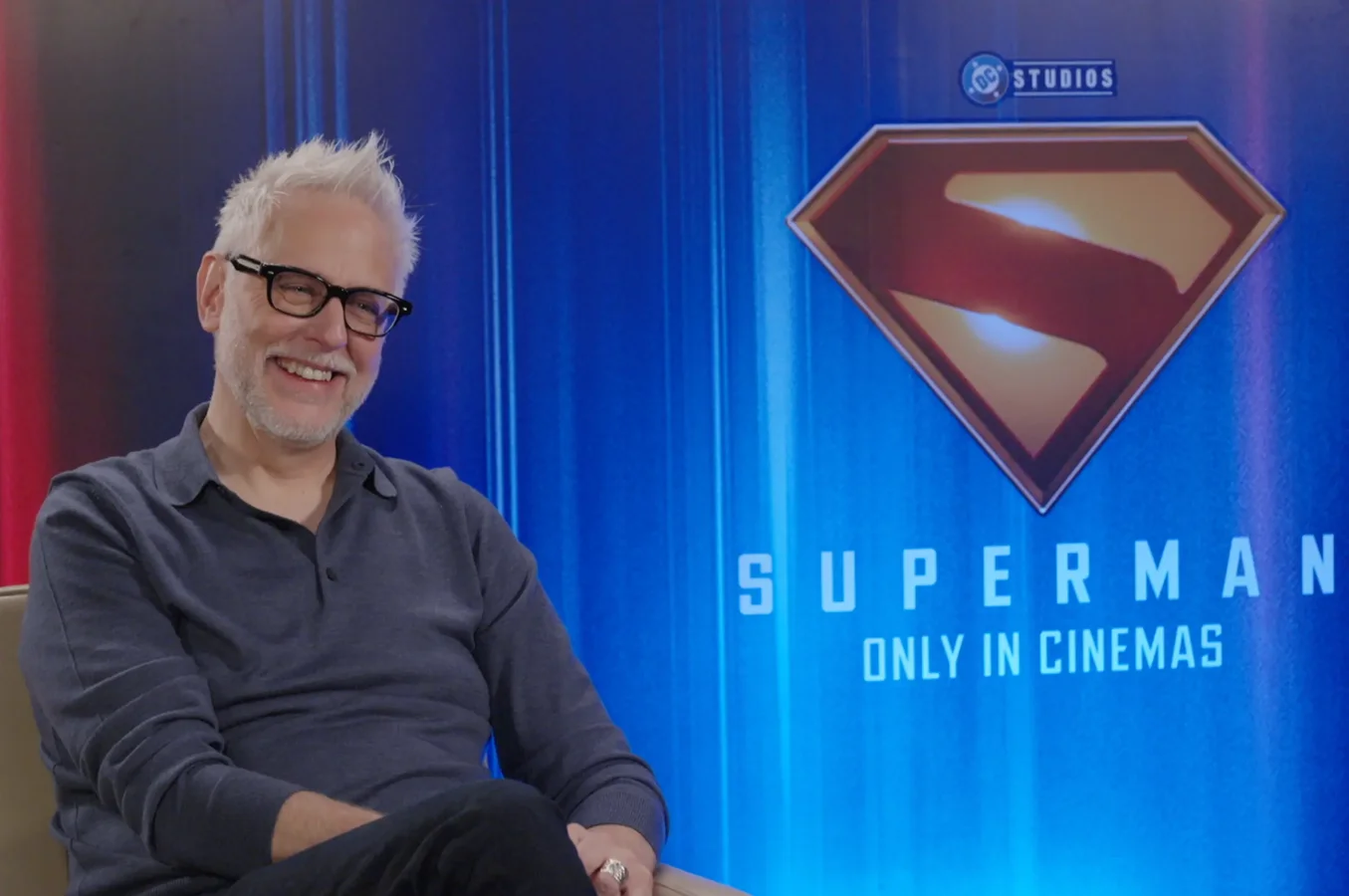
“[Flashbacks to Krypton are] always a possibility. But I think those things are really integral to the two characters and the differences between them, and that Clark really does have sort of this really happy childhood. I mean, he had parents who loved him in an easy-going upbringing, and it makes him the least dysfunctional of superheroes in so many ways. And Supergirl, especially the DCU Supergirl, she’s kind of a mess. I mean, she’s, she’s had real issues growing up. And it is based on the comic where she watched person after person after person dying in front of her as her piece of the planet disintegrated.”
—James Gunn, DC Studios Head and Superman Director
How Tom King’s Comics Shape the DCU’s Supergirl
The inspiration behind this portrayal springs from Tom King’s celebrated “Supergirl: Woman of Tomorrow” series. The comic dives deep into Kara’s journey through pain and loss, which separates her from her cousin, Superman, who enjoyed a supportive family and a relatively peaceful upbringing on Earth. In sharp contrast, this Supergirl witnesses the destruction of her world firsthand and is forced to adapt, survive, and shield herself emotionally.
Kara’s turbulent childhood becomes the crucible for her character, giving her an edge and bitterness not seen in previous live-action versions. The focus remains on her personal growth, choice, and a willingness to confront emotional wounds acquired through suffering and loss. As a result, Kara emerges as a much more complicated and raw figure, defining her place in the mythology of the DCU on her own terms.
There are hints that Milly Alcock’s take on Kara Zor-El could appear earlier than expected, with the possibility of a cameo in Gunn’s Superman, setting the stage for her eventual journey toward becoming Supergirl: Woman of Tomorrow.
Kara Zor-El Steps Out of Superman’s Shadow
Milly Alcock’s interpretation of Kara Zor-El signals a break from Supergirl’s previous existence as a supporting player orbiting Superman. Earlier incarnations, played by Helen Slater in the 1984 movie, Melissa Benoist in the Arrowverse, and Sasha Calle in The Flash (albeit in an alternate timeline), all hinged on their connection to Superman’s saga. However, Alcock’s Supergirl is charting her own course, with the film determined to establish her as an independent powerhouse.
Fans have already caught glimpses of the Supergirl costume, further underscoring how much the character diverges from past iterations like Sasha Calle’s. The creative team’s decision to draw from Tom King’s source material brings both a space-western spirit and introspective tension, giving the cinematic Supergirl her own unique voice and emotional journey. The film’s narrative, set against spectacular visuals and emotional trials, is poised to contribute a new dimension to the DCU’s legacy.
This version of Kara Zor-El isn’t just another superhero—her resilience and complexity are crafted directly from her hardship. Through Craig Gillespie’s direction and Milly Alcock’s performance, the character is equipped to embark on a raw and uncompromising exploration of heroism and identity rarely seen in the genre.
The Supergirl DCU Film’s Principal Cast
The DCU’s Supergirl will be embodied by Milly Alcock, stepping into the role of Kara Zor-El with a background marked by struggle and grit. Matthias Schoenaerts joins the cast as Krem of the Yellow Hills, while Eve Ridley portrays Ruthye Mary Knolle. Jason Momoa, known for his dynamic screen presence, appears as Lobo, which adds further excitement and depth to the project’s core ensemble.
What the New Supergirl Means for the DCU
This creative transformation of Kara Zor-El marks a pivotal moment for the franchise, offering fans a hero whose resilience is born from trauma rather than privilege. By exploring Supergirl’s struggle for identity in the shadow of planetary devastation, the DCU is crafting a more emotionally charged and complex story than ever before. With Tom King’s narrative as a backbone and James Gunn’s vision guiding cast and crew, the upcoming film hints at a future where Kara’s voice, pain, and triumphs define a new era for superheroes on the big screen.
