
Johnny Depp has spoken openly about his experience during the high-profile Johnny Depp defamation trial and #MeToo era, describing his status as a public figure at the center of a legal and media storm. His comments come in the aftermath of his bitter court battle with ex-wife and Justice League actress Amber Heard, raising questions about reputation, activism, and accountability within the entertainment world.
Depp, who rose to fame through Pirates of the Caribbean, addressed public perceptions stemming from the heavily followed defamation case. In a recent interview, Depp likened himself to a “crash test dummy” for the #MeToo movement that gained massive traction in 2017 and dramatically changed the way stories of abuse and harassment were spotlighted in society.
Origins and Viral Growth of the #MeToo Movement
The #MeToo movement was initiated in 2006 by Tarana Burke, a civil rights activist committed to aiding young black women and girls impacted by sexual violence. Burke’s platform, launched on MySpace, was aimed at offering solidarity and recognition for those who had endured abuse. As Burke stated,
“You’re not alone. What happened to you happened to me too.”
—Tarana Burke, Civil Rights Activist.
This grassroots effort remained relatively modest until 2017, when allegations against Hollywood producer Harvey Weinstein erupted into public view. The movement transformed from a focused support initiative into a global campaign, challenging a culture of silence around workplace harassment in powerful industries such as film, television, and politics. Names like Harvey Weinstein became emblematic of the type of entrenched behaviors targeted by #MeToo.
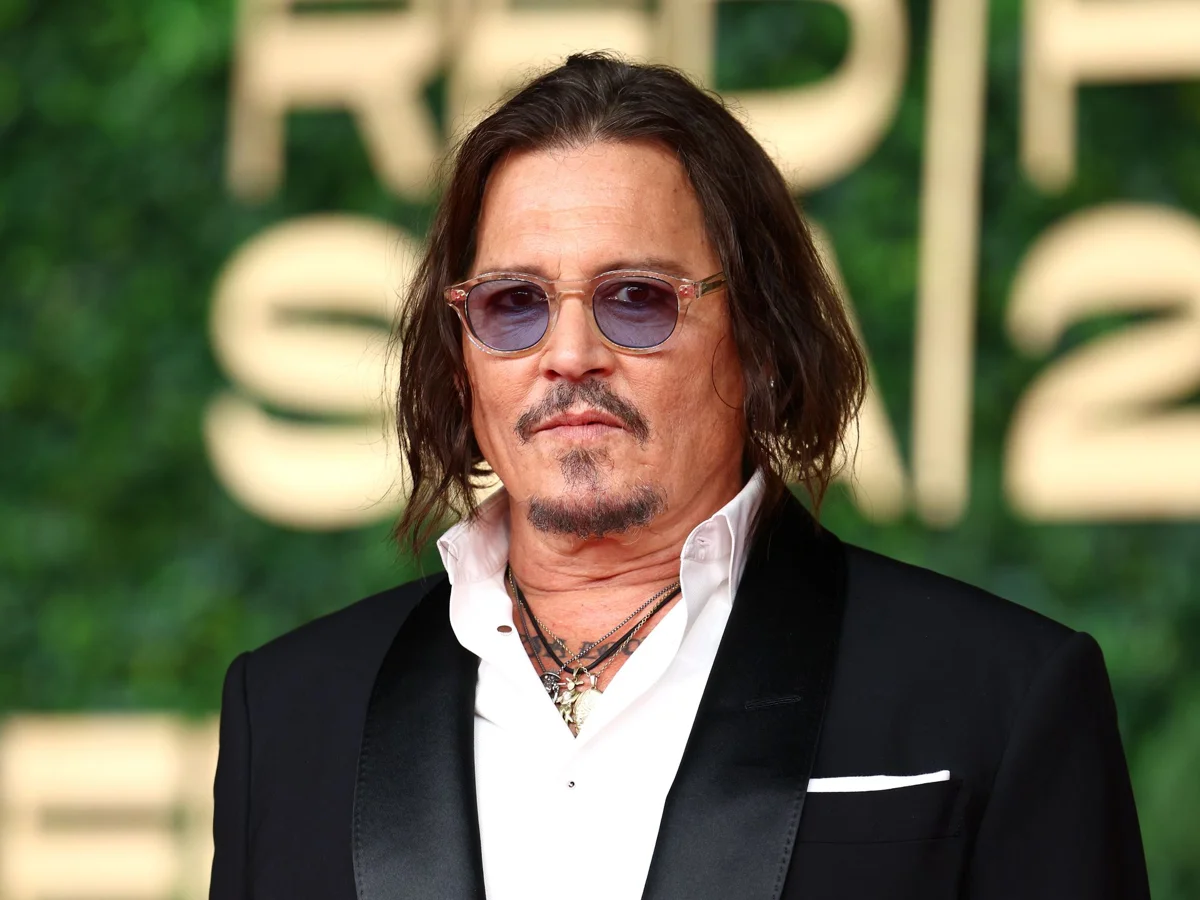
The Depp vs. Heard Conflict and Public Narrative
Long before the formal Johnny Depp defamation trial and #MeToo discussions took center stage, Amber Heard accused Depp of domestic abuse in 2016, soon after their divorce. These allegations, and a court-ordered restraining order requested by Heard, led to quick denials from Depp, who alleged her claims were an attempt at financial gain. They reached an out-of-court agreement, with Heard receiving $7 million. However, the dispute reignited in 2018 when Heard published an op-ed for the Washington Post, identifying herself as
“a public figure representing domestic abuse.”
—Amber Heard, Actress and Writer.
Depp argued the timing of the allegations and public interest put him at the forefront of a movement not originally focused on his situation. He told The Times U.K.,
“I was like a crash test dummy for #MeToo. It was before Harvey Weinstein. And I sponged it, took it all in,”
—Johnny Depp, Actor.
Depp’s Determination to Fight His Case
Amid continued controversy and an unsympathetic cultural climate, Depp maintained a determination to clear his name. Despite the odds and limited public support in the era of #MeToo, he insisted on bringing the matter to trial in the United States, explaining his motives to The Times U.K. He elaborated on his mindset during the legal fight, stating,
“Look, none of this was going to be easy, but I didn’t care. I thought, ‘I’ll fight until the bitter f—ing end,’”
—Johnny Depp, Actor.
Depp further reflected on the consequences of the public battle, emphasizing his willingness to endure whatever outcome might arise from his choice to pursue the truth:
“And if I end up pumping gas? That’s all right. I’ve done that before.”
—Johnny Depp, Actor.
The Fallout for Both Parties and Lasting Effects
The legal and media war exposed deep-set hostilities and toxic dynamics between Depp and Heard, placing both actors under scrutiny. The intense coverage also drew attention to broader questions about justice, accountability, and the impact of public allegations. The trial’s outcome and aftermath generated debate about the intersections of celebrity, activism, and personal rights within the entertainment industry.
As of now, speculation continues regarding Depp’s professional future, particularly with his potential involvement in future Pirates of the Caribbean films. While no official confirmation has been provided regarding Pirates of the Caribbean 6 or its release date, Depp remains a subject of widespread public interest.
The Johnny Depp defamation trial and #MeToo movement have highlighted how individual cases intersect with shifting social movements, influencing how legal proceedings and reputations are navigated in an era of constant public and media attention. Key figures such as Tarana Burke, Harvey Weinstein, Johnny Depp, and Amber Heard have become central to discussions about justice and accountability that continue to shape Hollywood and society at large.
